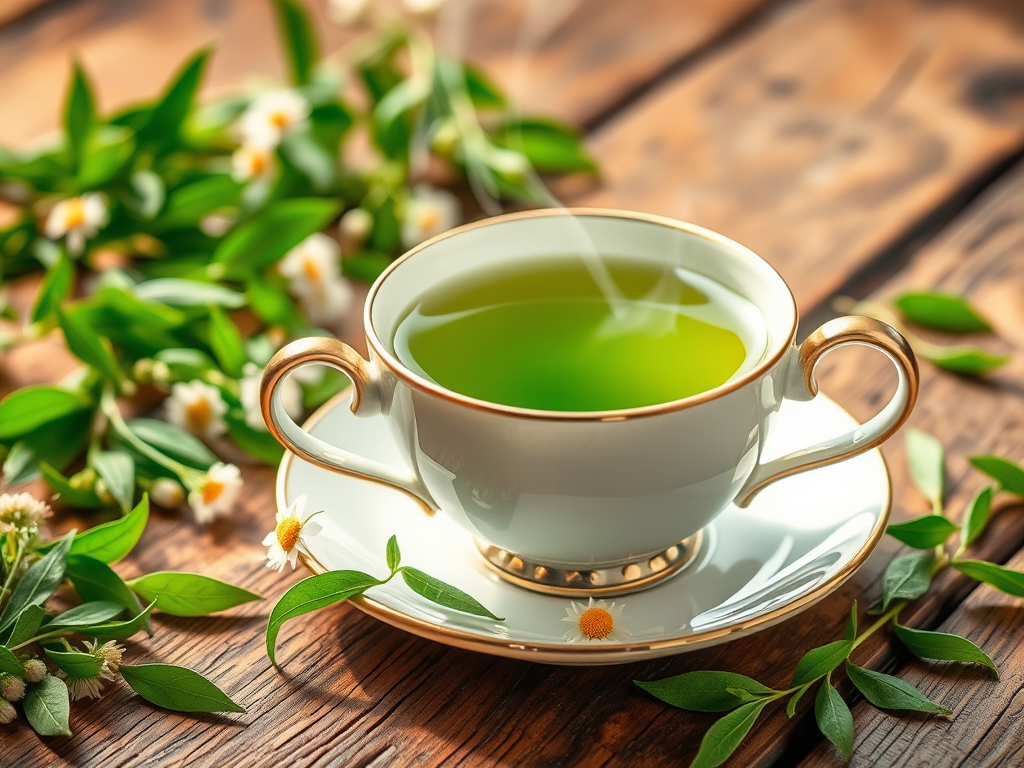
Green tea is more than a soothing beverage—it’s a trusted wellness companion, a metabolism booster, and a staple in households around the globe. But even the most natural drink can spark lots of questions. When should you drink it? Is it safe during pregnancy? What about during fasting?
In this easy-to-follow FAQ guide, we answer the internet’s most frequently searched questions about green tea. Whether you’re sipping your first cup or are a lifelong tea lover, this article will help you make smarter, safer choices.
Can I drink green tea at night?
Green tea does contain caffeine—around 20 to 45 mg per cup. That’s less than coffee but still enough to keep some people awake. If caffeine-sensitive, avoiding green tea within six hours of bedtime is best. Want a relaxing alternative? Try decaf green tea or a herbal tea like chamomile.
Can I drink green tea while pregnant?
Yes, but only in moderation. Green tea is considered safe during pregnancy if you keep your caffeine intake below 200 mg daily. One or two cups of green tea should be delicate, but it’s smart to check with your doctor. Also note: too much green tea may reduce folic acid absorption.
Can I have green tea while pregnant?
The same rule applies—limit your intake to 1–2 cups daily. Choose high-quality, organic brands to avoid pesticide contamination. Always consult your healthcare provider for personalized advice.
Can I drink green tea before bed?
If you’re not caffeine-sensitive, a small cup may help you unwind due to the calming amino acid L-theanine. But if you have trouble falling asleep, skip it. Go for a decaf option or a caffeine-free tea instead.
Can I drink green tea while fasting?
Absolutely. Green tea is an excellent companion during intermittent fasting. It’s calorie-free, curbs hunger, supports metabolism and helps keep you hydrated. To stay in the fasted state, avoid adding milk, sugar, or honey.
Can I drink green tea while breastfeeding?
Yes, but moderation is essential. Green tea’s caffeine can transfer to breast milk and may affect your baby. Stick to 1–2 cups a day and observe how your baby responds. If your baby seems fussy or has trouble sleeping, cut back or switch to caffeine-free tea.
Can I drink green tea on an empty stomach?
Some people can tolerate it well, but others experience nausea or stomach upset. This is due to the tannins and caffeine. Try having tea after a light meal or snack if that’s you. Add a few drops of lemon or honey to ease the effects.
Can I drink green tea every day?
Yes—and you should! Drinking 1 to 3 cups daily can offer lasting health benefits, from improved metabolism and brain function to reduced inflammation. Just watch your caffeine intake and make sure to choose high-quality tea.
Can I drink green tea after dinner?
You can, as long as caffeine doesn’t interfere with your sleep. Some people find it helps with digestion and bloating. If you’re sensitive to caffeine, go for a decaf version.
Can I drink green tea after gallbladder removal?
In most cases, yes. Green tea is gentle on the stomach and may help support liver function. That said, after surgery, everyone’s digestive system reacts differently. Start with small amounts and talk to your doctor if you’re unsure.
Can I drink green tea during intermittent fasting?
Yes, and many intermittent fasters swear by it. It helps you stay in a fast state while giving you energy and fighting hunger. Make sure it’s plain, without any added sweeteners or milk.
Can I take green tea at night?
If your body tolerates caffeine, a small cup might be fine. Green tea’s L-theanine can promote relaxation, but caffeine might keep you up. Try decaf green tea for a more restful evening sip.
Can I drink green tea while intermittent fasting?
Yes—and it’s encouraged. Green tea enhances the benefits of fasting by promoting fat oxidation and providing antioxidants. Just keep it unsweetened.
Are green tea bags harmful?
Generally, green tea bags are not harmful when used as intended. However, there are concerns about certain tea bags that may release microplastics or toxins if made with nylon or PET (a type of plastic) and exposed to boiling water. Always look for brands that use biodegradable or paper-based bags, and avoid steeping tea in very hot water if unsure about the bag’s material.
Are green tea bags made of plastic?
Some tea bags—especially pyramid-shaped ones—can be made of plastic materials like nylon or food-grade PET. When steeped in boiling water, they may release microplastics. If this concerns you, choose unbleached paper tea bags or switch to loose-leaf green tea for a more eco-friendly and safer experience.
Are green tea bags healthy?
Green tea bags contain the same antioxidants (like catechins) found in loose leaves and offer health benefits such as improved metabolism, reduced inflammation, and heart health. That said, the quality may vary by brand. For maximum benefit, choose organic, non-GMO, and minimally processed brands.
Are green tea bags reusable?
Technically, yes—but with limitations. You can reuse a green tea bag once, although the flavour and antioxidant levels will be much lower the second time. After two uses, the tea becomes bland and less effective health-wise.
Are green tea leaves good for plants?
Yes! Used green tea leaves are rich in nutrients like nitrogen and make excellent natural compost or fertilizer. Sprinkle them around your plants to improve soil quality, retain moisture, and even deter pests. Ensure the leaves are caffeine-free or well-composted before use in sensitive plant setups.
Are green tea good for weight loss?
Green tea is often recommended as part of a weight loss plan. It contains compounds like EGCG and caffeine, which may boost metabolism and fat oxidation. But it’s not a magic solution—a balanced diet and regular exercise are still key.
Are green tea bags safe?
Green tea bags are safe for most people’s daily use. However, always verify the packaging for additives, artificial flavours, or plastic components. Choose trusted brands and avoid overconsumption (more than 3–5 cups/day) to prevent excess caffeine or tannin intake.
Are green tea bags good?
Yes, green tea bags are a convenient and effective way to enjoy the benefits of green tea. While loose leaves may offer slightly better quality, many high-end brands use finely ground leaves in bags that deliver excellent results.
Are green tea cigarettes harmful?
Yes, even though marketed as “natural,” green tea cigarettes are not safe. Inhaling any smoke—including herbal or green tea-based—introduces harmful substances to your lungs. There are no proven health benefits of smoking green tea. It’s safer and healthier to stick to drinking it.
Are green tea and matcha the same?
Not exactly. Both come from the Camellia sinensis plant, but:
- Green tea is typically steeped as leaves or in bags.
- Matcha is a powdered form made by grinding whole green tea leaves, meaning you consume the entire leaf.
Matcha contains more antioxidants and caffeine than regular green tea, making it more potent per serving.
Are green tea leaves better than bags?
In most cases, yes. Loose green tea leaves are usually less processed, of higher quality, and offer a richer flavour profile. Tea bags, especially lower-end ones, may contain tea dust or fannings (small particles). That said, premium tea bags can still offer excellent quality.
Are green tea packets healthy?
Yes, but read the label. If referring to instant green tea packets, check for added sugar, preservatives, or flavours. Pure green tea packets without additives are healthy, but always choose clean-label options for maximum benefit.
Are green tea and lemon tea the same?
No. While green tea with lemon is a standard combo, lemon tea is usually made with black tea or herbs and citrus flavouring. They differ in caffeine content, antioxidant profile, and flavour. However, adding a squeeze of lemon to green tea enhances vitamin C and helps with antioxidant absorption.
Are green tea leaves safe to eat?
Green tea leaves are safe to eat in small amounts and are often consumed in powdered forms like matcha. However, raw tea leaves can be bitter and fibrous and may contain residual pesticides if they are not organic. Always choose high-quality, food-grade tea if consuming it directly.
Are green tea bags bad for you?
Not inherently. Potential issues lie in the material of the tea bag (e.g., plastic) or if the tea contains low-quality leaves or additives. Look for brands with non-toxic, biodegradable bags and stick to moderate daily consumption. For peace of mind, switch to loose-leaf or certified organic brands.
Can I drink green tea before a colonoscopy?
Possibly. Doctors usually allow clear liquids the day before a colonoscopy; plain green tea often qualifies. But rules vary, so always check with your healthcare provider first. Avoid milk, lemon, or sweeteners unless approved.
Can I drink green tea with gallstones?
Green tea’s anti-inflammatory compounds may benefit liver and gallbladder health. However, if you have active symptoms or are managing gallstones, talk to your doctor before making it a daily habit.
Conclusion
Green tea might seem simple, but as you can see—it raises plenty of questions! Whether you’re pregnant, fasting, or just figuring out the best time to sip your tea, the key is to listen to your body, choose high-quality tea, and drink in moderation. When in doubt, talk to a healthcare provider.
Start with a cup a day and see how it makes you feel. Green tea can be a powerful, calming, and health-supportive addition to your lifestyle.
Green tea might seem simple, but as you can see—it raises plenty of questions! Whether you’re pregnant, fasting, or just figuring out the best time to sip your tea, the key is to listen to your body, choose high-quality tea, and drink in moderation. When in doubt, talk to a healthcare provider.
Start with a cup a day and see how it makes you feel. Green tea can be a powerful, calming, and health-supportive addition to your lifestyle.


Leave a Reply