There’s something comforting about the ritual of brewing tea—the warmth, the aroma, the calm it brings to the day. But sometimes, especially when the weather turns cold and crisp, your tea craving may ask for something a little heartier. Enter the Smoky Maple Tea Latte—a rich and cozy blend that wraps the bold flavor of Lapsang Souchong tea with the smooth sweetness of maple syrup and frothy milk.
This latte is not just a drink—it’s an experience. Imagine sitting by a fire, a blanket draped over your shoulders, the scent of pine smoke lingering in the air. That’s the feeling this tea brings to life, even if you’re sipping it in your city apartment.
Whether you’re a seasoned tea lover or new to smoky blends, this recipe offers an unexpected and rewarding twist.
What is Lapsang Souchong?
To appreciate this latte, it helps to understand its core ingredient: Lapsang Souchong, often referred to as the “smoky tea.”
A Tea Steeped in Tradition
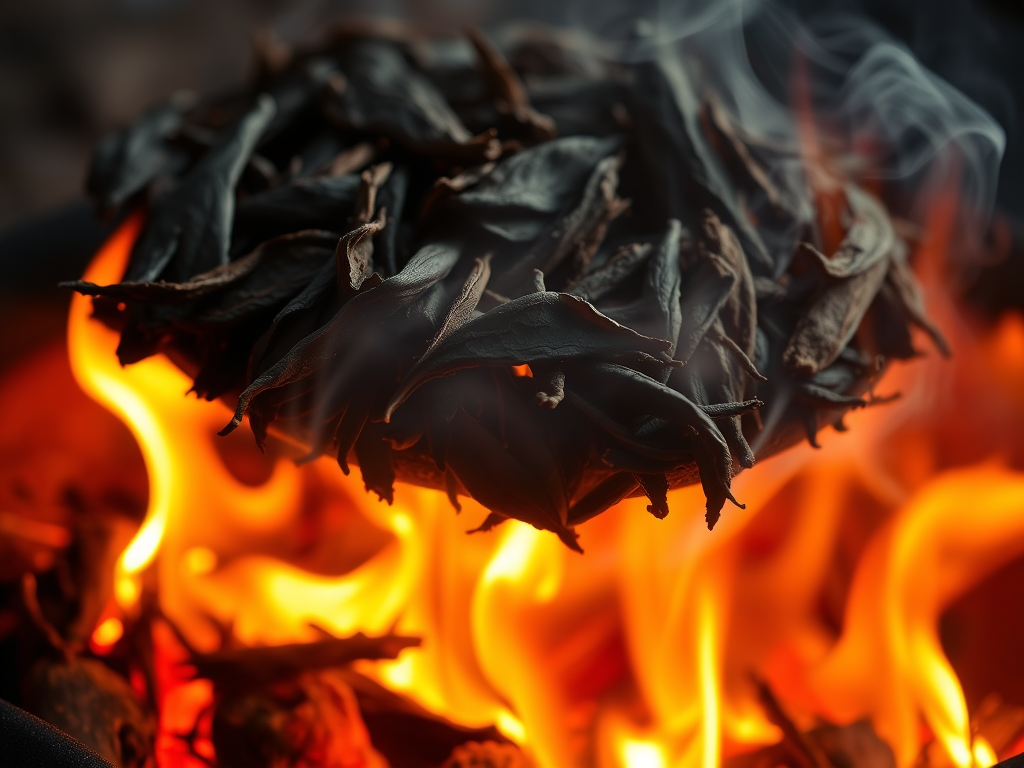
Lapsang Souchong originates from the Fujian province of China, one of the oldest tea-growing regions in the world. What makes this black tea stand apart is its unique drying process. Unlike most black teas, which are oxidized and then dried in ovens or sun, Lapsang Souchong leaves are dried over pinewood fires. This imparts a distinctive smoky aroma and flavor—often compared to a campfire, smoked whiskey, or even bacon.
Its history dates back centuries, with legends tying its creation to the Qing dynasty. Some say that during a military conflict, tea farmers had to dry their leaves quickly to move them before troops arrived—hence the quick drying over pine fires.
Tasting Notes
While the smokiness is dominant, it’s not one-dimensional. A good Lapsang Souchong also brings forwardnotes of dried fruit, leather, and subtle sweetness, making it a surprisingly good candidate for creamy drinks. However, this tea can be polarizing. Some find its boldness overpowering—others are instantly smitten.
That’s where this latte comes in. By tempering the smokiness with milk and maple, you create a cup that’s both bold and balanced.
Where to Buy Lapsang Souchong Tea
Not all Lapsang Souchong is created equal. Some varieties can taste harsh or overly charred, while others strike a more refined balance.
When choosing a Lapsang Souchong for a latte:
- Look for whole-leaf versions, which generally have a more nuanced flavor.
- Choose brands that note pine smoke rather than tar or hardwood (pine imparts sweetness).
- Organic options often have smoother flavor profiles and fewer bitter notes.
Here are a few trusted sources:
- Teavivre – Known for authentic Chinese teas, including Lapsang from its original region.
- The Tao of Tea – Offers a well-balanced, organic Lapsang with soft smokiness.
- David’s Tea – Occasionally offers seasonal Lapsang blends that are more approachable.
Why Maple Syrup?
Pairing smoky tea with maple syrup might seem unusual, but the combination is a revelation.
Natural Sweetness with Depth
Maple syrup does more than sweeten. Unlike sugar or honey, it adds layers of flavor—caramel, wood, vanilla, and earthiness—that complement the tea’s smoky edges. The result is a drink that tastes rich without being heavy, sweet without being cloying.
Pure maple syrup also froths nicely when warmed, blending seamlessly into the milk and tea mixture. Just be sure to use real maple syrup, not imitation syrups that are mostly corn syrup with flavoring.
Bonus: it’s vegan, natural, and full of trace minerals like manganese and zinc.
Smoky Maple Tea Latte Recipe
This recipe makes one generous cup, but it scales easily. Double it if you’re sharing—or just want to savor a second round.
Ingredients
- 1 tablespoon Lapsang Souchong black tea (or 1 tea sachet)
- ½ cup hot water (around 95°C or 200°F)
- ¼ cup milk of choice (dairy, oat, almond, etc.)
- 1 tablespoon pure maple syrup
- Optional toppings: a drizzle of maple syrup, crushed tea leaves, or cinnamon
Instructions
- Steep the tea:
Place the Lapsang Souchong leaves in a tea infuser. Pour hot water over them and let steep for 4–5 minutes, covered. This helps trap the aromatic oils. - Warm the milk:
While the tea steeps, gently heat the milk in a saucepan or microwave. Avoid boiling it—just bring it to a steaming point. If you have a milk frother, use it for a creamy, airy texture. A handheld whisk or blender also works. - Combine and sweeten:
Remove the tea leaves or bag. Stir in the maple syrup until fully blended. - Assemble the latte:
Pour the milk into the tea. Top with froth, then drizzle with a little extra maple syrup if desired. For a finishing touch, sprinkle with crushed tea leaves or a dash of cinnamon. - Serve and enjoy:
Sip slowly and let the layers of smoke, sweetness, and warmth unfold.
Tips and Variations
- Make it iced: Let the tea cool, then pour it over ice. Use cold-frothed milk for a smoky-sweet iced latte.
- Add spice: Want a chai twist? Add a pinch of ground cinnamon, ginger, or nutmeg.
- Use smoked salt: For a deeper savory note, add a tiny pinch of smoked sea salt.
- Double steeping: Want it bolder? Steep the tea longer and add a touch more maple to balance.
When to Enjoy This Latte
The Smoky Maple Tea Latte is ideal for:
- Cold mornings when coffee feels too harsh
- Afternoon pick-me-ups without the crash
- Evening wind-downs, especially with a cozy blanket or a good book
It also makes a great conversation starter when entertaining—most guests haven’t tried a smoky tea latte before.
Final Thoughts
The Smoky Maple Tea Latte isn’t just a drink—it’s a small act of comfort. It bridges cultures, seasons, and moods, combining the heritage of Chinese tea with the rustic sweetness of Canadian maple. It’s bold yet calming, earthy yet refined.
Next time you’re looking for something different—something with a story—brew this latte. Let the smoke swirl, the maple melt, and your day soften.
Frequently Asked Questions about Lapsang Souchong
Is Lapsang Souchong healthy?
Yes, like most black teas, Lapsang Souchong contains antioxidants called polyphenols, which may help reduce inflammation and support heart health. It also contains caffeine, which can boost alertness in moderation. The smoky flavor comes from pinewood smoke, not artificial additives, so it’s safe for regular consumption. However, due to its strong flavor, some people may prefer it in small doses or blended into lattes.
Why have Twinings stopped selling Lapsang Souchong?
Twinings removed Lapsang Souchong from some markets due to changing customer preferences and lower demand. While it still has loyal fans, its bold, smoky flavor isn’t for everyone, so some mainstream retailers have trimmed it from their offerings. If you’re looking for it, specialty tea shops and online stores often carry more authentic versions.
What was Winston Churchill’s favorite tea?
Winston Churchill was famously fond of Lapsang Souchong. The tea’s smoky aroma matched his love for cigars and whisky, making it a fitting choice for his taste. It’s said that he appreciated its boldness and character—qualities that mirrored his own.
What is Lapsang Souchong in Chinese?In Chinese, Lapsang Souchong is written as 正山小种 (Zhèngshān Xiǎozhǒng).
- “正山” (Zhèngshān) means “original mountain,” referring to the Wuyi Mountains where it originates.
- “小种” (Xiǎozhǒng) means “small leaf variety” or “sub-variety,” indicating the type of tea plant used.
Do you put milk in Lapsang Souchong?
Traditionally, Lapsang Souchong is enjoyed without milk to fully appreciate its smoky flavor. However, because it’s a black tea with a strong body, it pairs well with milk—especially in recipes like the Smoky Maple Tea Latte. Milk can soften its intensity and create a smoother drink.
What is Lapsang tea good for?
Lapsang tea is good for:
- Warming you up on cold days
- Settling the stomach after a heavy meal
- Boosting focus, thanks to its moderate caffeine
- Pairing with savory foods, cheeses, and even dark chocolate
It’s also a great base for creative tea lattes and cocktail infusions due to its complex flavor profile.
What does Lapsang tea taste like?
Lapsang Souchong has a smoky, campfire-like aroma with hints of pine, dried fruit, and sometimes leather or cedar. It’s bold and earthy, yet can carry sweet undertones when steeped lightly. Its taste is unlike any other tea—memorable, comforting, and a bit adventurous.
What tea is similar to Lapsang Souchong?
If you enjoy the depth of Lapsang Souchong, you might also like:
- Russian Caravan – a blend that includes Lapsang but is milder and slightly sweeter.
- Keemun – a Chinese black tea with subtle smoky and wine-like notes.
- Pu-erh tea – aged and fermented, with earthy, deep flavors (though not typically smoky).
Each of these teas has a rich character, making them great for those who enjoy bold, complex brews.



Leave a Reply to Umi Tea SetsCancel reply