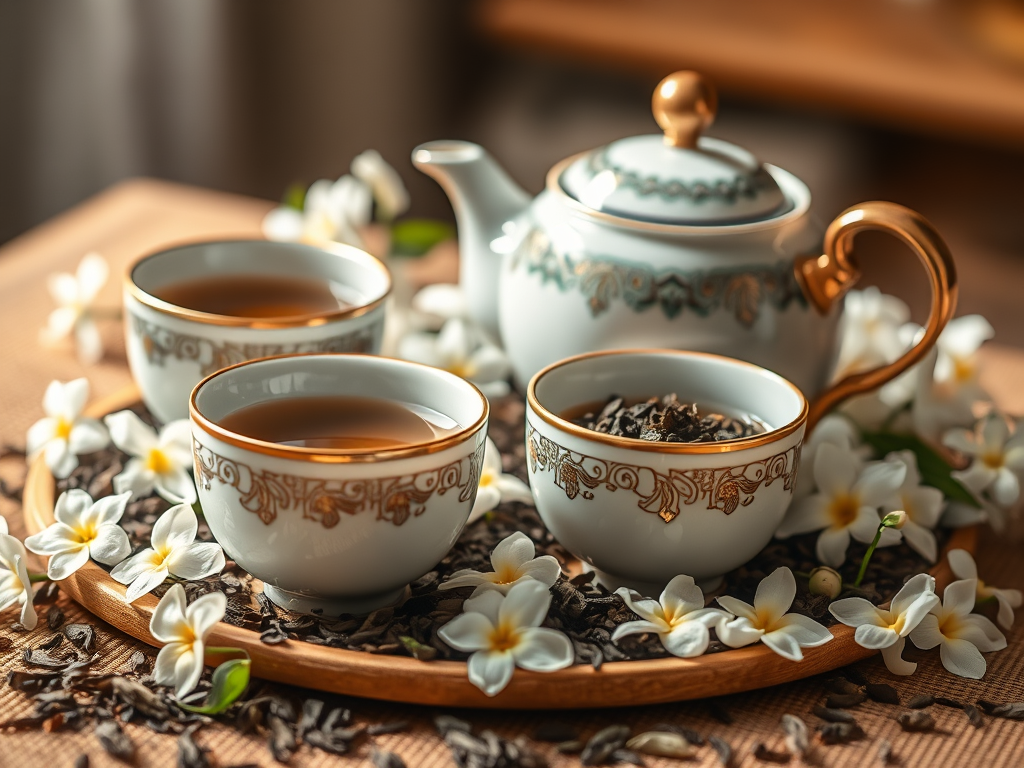
Do you have a favorite way to unwind after a long day? For many, that moment involves a warm cup of tea—specifically, jasmine tea. With its delicate floral aroma and soothing properties, jasmine tea has captivated the hearts of tea lovers worldwide. You might be curious about how this fragrant tea came to be and why it continues to enjoy such global popularity. Plus, there’s the whole mystery of how its production process enhances its unique flavor and health benefits. In this piece, we’ll explore the fascinating history, craft, and modern-day allure of jasmine tea, offering you practical ways to enjoy this delightful beverage and its many health perks. Let’s dive into a cup of jasmine goodness together!
The History and Origins of Jasmine Tea
Jasmine tea is a fragrant tea with deep roots in Chinese culture. It first appeared during the Song Dynasty (960-1279 AD). Let’s explore how this unique blend traveled the world.
Early Beginnings in China
Jasmine tea started in China, where people valued its floral scent. They made it by scenting green tea leaves with jasmine flowers, a method still used today. It’s believed jasmine flowers were introduced to China from Persia during the Han Dynasty (206 BC–220 AD).
Cultural Significance in Asian Traditions
In many Asian cultures, jasmine tea is more than a drink. It’s part of social gatherings, often served to welcome guests. In China, it symbolizes respect and hospitality. It’s also used in spiritual ceremonies for clarity and peace.
Global Spread and Popularity
Jasmine tea wasn’t just a hit in China. Traders helped it reach Europe in the 17th century. Its unique taste and aroma quickly gained fans worldwide. Today, you’ll find jasmine tea in cafes from New York to Tokyo.
Legends and Stories Associated with Jasmine Tea
Like many classics, jasmine tea has its legends. One tale speaks of a Chinese emperor who loved jasmine so much he filled his gardens with it. Another story is about its use as a love potion in ancient times. While these are just stories, they add charm to the tea’s already fascinating history.
Jasmine tea continues to be a beloved choice for its soothing properties and delightful fragrance. Next time you brew a cup, remember its rich history stretching back centuries.
The Art of Producing Jasmine Tea
Making jasmine tea isn’t just about throwing flowers and tea leaves together. It involves a careful process to create that perfect floral aroma you love. Let’s dive into how it’s done.
Selection and Harvesting of Tea Leaves
The first step is picking the right tea leaves. Most jasmine tea uses green tea leaves. But some also use white or black tea. The leaves are typically picked between late spring and early summer. This is when they’re tender and full of flavor.
For example, high-grade jasmine tea often uses leaves from the Fujian province in China. These leaves are known for their delicate taste. Once harvested, the leaves undergo drying and oxidation processes. This prepares them for the scenting stage.
Jasmine Flower Scenting Process
Here’s where the magic happens! Freshly picked jasmine flowers are layered over dried tea leaves. This is usually done at night when jasmine blooms and releases its scent. The tea absorbs the fragrance over several hours or days. Depending on the desired intensity, flowers might be replaced several times (up to seven in some cases).
Imagine it like making your room smell nice by hanging up fresh herbs. The process is similar but on a bigger (and smellier) scale!
Traditional vs Modern Production Techniques
Traditional techniques often involve hand-plucking flowers and leaves. This method ensures the highest quality but is labor-intensive. Modern methods might use machines for plucking or even mix jasmine essence. The handcrafted process is still preferred for premium teas.
For instance, a factory might scent large batches using automated cooling systems. This speeds up the process but may lack the artisanal touch of hand-layered tea.
Factors Affecting Quality and Flavor
Several things affect jasmine tea’s quality. These include the type of tea leaves, number of scenting rounds, and flower freshness. The choice between traditional or modern methods also matters.
It’s a bit like baking bread: the ingredients, kneading, and baking time all influence the final product. The same goes for jasmine tea. Whether you’re aiming for a subtle or strong floral kick, each step is crucial.
So next time you sip on jasmine tea, remember it’s more than just a drink. It’s a craft that blends nature and expertise into each fragrant cup.
Varieties of Jasmine Tea
Jasmine tea comes in three main types: green, black, and white. Each has its own taste and benefits. Let’s break them down so you know what to expect.
Jasmine Green Tea
Jasmine green tea is the most popular. It’s made by scenting green tea leaves with jasmine flowers. This type has a light and fresh taste, perfect for a calming experience. The antioxidants in the tea help boost heart health and may even assist with weight loss (Healthline).
Example: If you’re looking to start your day with something refreshing, a cup of jasmine green tea is an excellent choice. The scent of jasmine and the gentle kick of caffeine will wake you up nicely.
Jasmine Black Tea
Jasmine black tea offers a stronger flavor than its green counterpart. The floral jasmine balances the bold black tea, creating a full-bodied drink. Black tea provides more caffeine and has compounds that could improve gut health (WebMD).
Use case: Enjoy this tea for an afternoon energy boost. It blends well with milk if you prefer a smoother texture.
Jasmine White Tea
This is the most delicate of the three. Jasmine white tea uses young tea leaves, giving it a subtle, slightly sweet flavor. It’s rich in antioxidants, which may have anti-aging effects on your skin (Organic Facts).
When to drink: After dinner, you can sip on jasmine white tea for a relaxing end to your meal.
Health Benefits Across Varieties
All types of jasmine tea bring health benefits. They are loaded with antioxidants that fight free radicals. This can help with everything from reducing heart disease risk to improving brain function (Dr. Axe).
Benefits: Imagine drinking a cup daily and giving your body a natural boost. The calming aroma alone might reduce stress and lift your spirits. Plus, studies suggest it might even help with weight management.
Choosing the right type of jasmine tea can depend on your taste and health goals. Whether you prefer green, black, or white, each variety brings unique flavors and benefits to your cup.
Health Benefits of Jasmine Tea
Jasmine tea is more than tasty; it’s healthy, too! Let’s look at some benefits.
Antioxidant Properties
Jasmine tea is loaded with antioxidants like polyphenols. These help fight off free radicals, protecting your cells. Antioxidants reduce the risk of chronic diseases like heart disease and cancer (Healthline). Enjoying a cup can give your body a helpful boost.
Example: Think of it like a little army fighting off cell damage every time you sip.
Impact on Metabolism and Weight Loss
Want to lose weight? Jasmine tea might help. It can increase your metabolism by 4-5% and boost fat burning by up to 16%. This happens because of the caffeine and a compound called EGCG (Healthline).
Use case: Start your day with jasmine tea instead of coffee for a metabolism boost.
Mental Health and Relaxation Benefits
Feeling stressed? The aroma of jasmine tea can have a calming effect. It might reduce anxiety and help you relax (WebMD). The scent triggers a chemical response that eases stress.
Tip: Brew a cup during a hectic day to enjoy a calming moment.
Myths vs. Facts: Health Claims
Some claims about jasmine tea are myths. For example, it won’t cure diseases alone. But its antioxidants do support overall health. Studies mostly support benefits related to green tea, the usual base for jasmine blends (WebMD).
Benefit: While not a miracle cure, jasmine tea is a tasty way to support your health journey.
Jasmine tea combines traditional benefits with modern science, offering you both flavor and wellness in every cup.
The Rituals and Ways to Enjoy Jasmine Tea
Let’s explore the rich traditions and modern techniques for making jasmine tea even more delightful. Whether you’re savoring a calming cup alone or with friends, jasmine tea has a way to shine.
Traditional Tea Ceremonies
In many Asian cultures, tea ceremonies are an art. They value patience and mindfulness. In China, serving jasmine tea during a ceremony signifies respect. Imagine a serene setting with meticulous movements, where each step enhances the tea’s aroma and taste.
Example: During a Gongfu tea ceremony, jasmine tea is poured in small amounts into multiple cups. Each guest enjoys a small, fragrant sip.
Modern Brewing Techniques
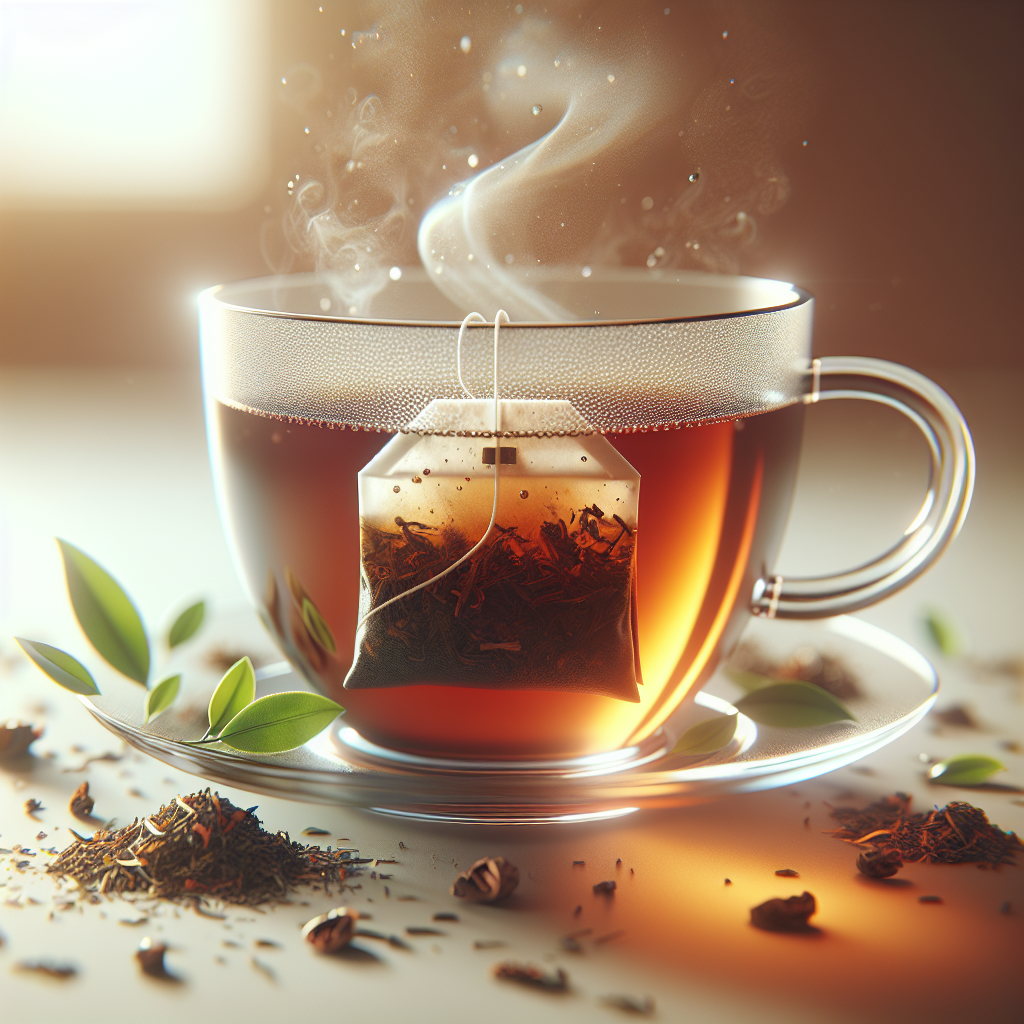
Brewing jasmine tea today is easy and versatile. Use loose leaves or a tea bag—both yield great results. The key? The right temperature and steeping time.
- Ideal Water Temperature: About 176°F (80°C).
- Steeping Time: 2-3 minutes for a balanced flavor.
Using a French press can enrich the flavor, ensuring even steeping. Just add loose tea, pour hot water, and let it brew for the recommended time.
Pairings with Food
Jasmine tea pairs well with many dishes. Its floral notes complement savory and sweet foods perfectly. Try it with:
- Dim Sum: The light, savory bites enhance the tea’s floral character.
- Desserts: Jasmine tea with a slice of cheesecake or fruit tart is delightful.
Pro Tip: Serve jasmine tea slightly cooler than other teas. This highlights its delicate flavors.
Social and Personal Rituals
Enjoying jasmine tea can be a shared or personal ritual. Host a tea party with friends, where jasmine tea serves as the refreshing centerpiece. Or make it a solitary moment to unwind after a busy day.
Personal Time: Brew a cup while reading a favorite book. The aroma can calm your mind and create an oasis of peace.
From time-honored ceremonies to casual sipping, jasmine tea adapts beautifully. It’s perfect for those cherished moments, whether alone or together.
Jasmine Tea in Today’s Lifestyle and Culture
Jasmine tea is thriving in our modern lifestyle. It’s not just a cozy sip at home anymore. Let’s see where and how it’s making waves!
Jasmine Tea as a Trend: Cafes and Bars
Jasmine tea is now a staple in trendy cafes and bars. These spots love to offer it as an aromatic alternative to your regular coffee. Why? Because jasmine tea is refreshing and pairs well with a variety of snacks.
Imagine walking into a bustling cafe. They might serve jasmine tea lattes or cool iced versions. This makes it accessible to everyone, from the curious newbie to the die-hard tea fan.
Packaging and Marketing Strategies
These days, marketing is all about presentation. Jasmine tea brands are tapping into this. They use sleek, minimalist packaging to highlight the tea’s elegance. Boxes with soft pastel colors and floral designs are common.
This chic packaging isn’t just pretty. It also speaks to jasmine tea as a luxury item. Plus, it makes for a fabulous gift option. Just think of giving or receiving a beautifully boxed jasmine tea set!
Eco-Friendly and Sustainable Trends
Sustainability is a big deal, and jasmine tea brands are on it. They’re focusing on eco-friendly packaging, like biodegradable tea bags and recyclable tins.
Some companies even partner with sustainable farms. This ensures fair wages for workers and promotes organic farming methods. So, when you buy jasmine tea, you’re also supporting these positive changes.
Consumer Preferences and Market Data
According to market reports, there’s a growing demand for premium and organic teas (Global Market Insights, Inc.). People are more health-conscious and prefer natural products. Jasmine tea fits right in with these preferences.
Moreover, innovations like jasmine tea pods and ready-to-drink bottles are on the rise. They cater to our need for convenience without sacrificing quality. This trend isn’t just limited to Asia; it’s global, from the UK to the USA.
Jasmine tea is more than a traditional drink. It’s a lifestyle choice that’s blending into modern life and staying relevant. Whether for its flavor, health benefits, or cultural value, it’s here to stay!
How to Choose Quality Jasmine Tea
Want to make sure you pick the best jasmine tea? Look for clear, uniform leaves. Quality jasmine tea has a consistent color. Light green leaves with white jasmine petals are a good sign. Skip anything with faded leaves or a musty smell. Also, check the scent. The aroma should be floral and fresh, not stale.
When shopping, consider loose leaf over tea bags. Loose leaves generally offer a fuller flavor. They have more room to expand and release their taste. However, if convenience is key for you, stick with a reputable brand. It’ll ensure you’re not sacrificing quality for ease.
Best Brands and Vendors
Choosing the right brand can make a big difference. Companies like Twinings, Harney & Sons, and Teavivre are known for high-quality jasmine teas. They often use top-grade leaves and flowers.
Buying from specialty tea shops also guarantees freshness. These stores often source directly from producers. For online shopping, sites like Amazon or TeaVivre offer a wide range of options. Reviews can tell you about others’ experiences, guiding your choice.
Proper Storage Techniques
Storing jasmine tea correctly preserves its flavor. Keep it in an airtight container away from light and heat. Metal tins or dark glass jars work best. Avoid storing it in plastic as it can leach flavor or odors.
Place it in a cool, dry cupboard. Moisture is tea’s enemy, making it lose quality fast. For optimal freshness, use your jasmine tea within six months. If you buy in bulk, store only what you need for a short time and keep the rest sealed.
Online Shopping vs. Local Stores
Shopping online gives you variety and convenience. Websites like Teavivre often offer detailed product descriptions and customer reviews. You can also find rare blends not available locally.
Local stores may provide the advantage of firsthand sampling. It allows you to experience the aroma and ask questions in person. Plus, it supports local businesses, which can be rewarding if you prefer community-based shopping.
In conclusion, choosing and storing jasmine tea isn’t difficult with some know-how. Whether buying online or visiting a local store, you’ll end up with a flavorful and aromatic tea experience.
Let’s wrap things up with a final sip of wisdom on jasmine tea. We’ve journeyed through its rich history from ancient China to trendy cafes worldwide. We explored the art of its meticulous production, learned about its green, black, and white varieties, and celebrated its numerous health benefits. With jasmine tea’s allure reaching far beyond its delightful aroma, it’s time for you to make it a treasured part of your routine.
Your next step: Brew a cup and invite friends to experience its calming effects, or savor it alone for a personal moment of peace. Remember, each cup is not just tea; it’s a tradition and a testament to wellness.
So, are you ready to let jasmine tea revitalize your day and enrich your health journey? Discover the joy of jasmine, one fragrant cup at a time. 🌿
Frequently Asked Questions
How is jasmine tea traditionally made?
Jasmine tea is traditionally made by layering fresh jasmine flowers over tea leaves, usually green tea. This is done at night when the flowers bloom and release their fragrance. The scent is absorbed by the tea leaves, and the process may be repeated several times to enhance the aroma.
What types of tea are used to make jasmine tea?
Jasmine tea is most commonly made with green tea leaves. However, it can also be produced using black or white tea leaves. Each base tea gives the jasmine tea a slightly different flavor and character.
Can jasmine tea help with weight loss?
Yes, jasmine tea may aid weight loss by boosting metabolism and fat burning. The caffeine and catechins in jasmine tea, especially when green tea is used as a base, can increase metabolism and help in burning calories more efficiently.
Is jasmine tea caffeine-free?
No, jasmine tea is not caffeine-free. The caffeine content depends on the base tea used. Green and black jasmine teas contain more caffeine than white jasmine tea. If you’re sensitive to caffeine, you might want to choose jasmine white tea for a milder option.
What are the health benefits of jasmine tea?
Jasmine tea is rich in antioxidants, which can protect cells, support heart health, and potentially reduce the risk of chronic diseases. It also promotes relaxation and might improve metabolism, thus aiding in weight management.
Are there any potential side effects of drinking jasmine tea?
While jasmine tea is generally safe, its caffeine content can cause insomnia or jitteriness in some people. Drinking it in moderation can help mitigate these effects. High intake may also affect iron absorption.
How should jasmine tea be stored to maintain its quality?
Store jasmine tea in an airtight container away from light, heat, and moisture. Metal tins or dark glass jars work best. This preserves its flavor and fragrance by protecting it from external elements that may degrade its quality.



Leave a Reply