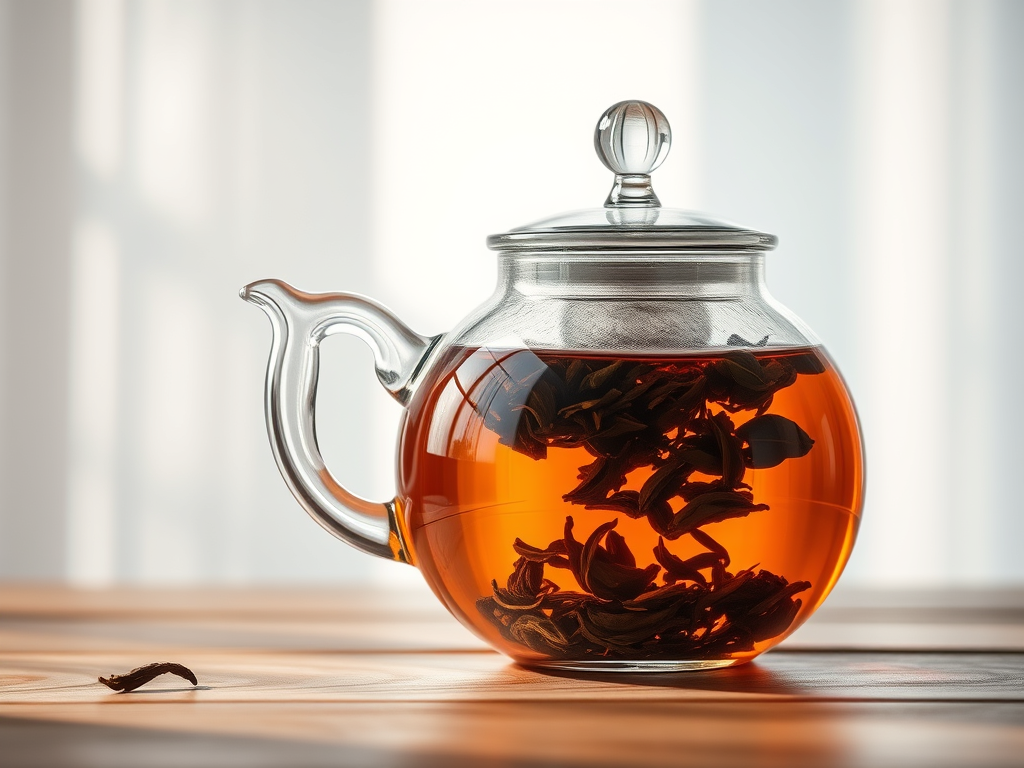
Tea lovers, as well as those who drink tea occasionally, have always enjoyed the process of making and serving tea. In more recent times, a glass teapot emerged as a favorite among fans of tea, combining a beautiful design and the advantage of being a practical object. This article is meant to introduce the reader to the fascinating world of glass teapots, focusing on their advantages, the types available, and the way to make the right choice and take care of your teapot.
The Rise of Glass Teapots
For various reasons, glass teapots have become quite popular. The see-through feature of the teapot lets you witness the tea leaves perform the captivating water coloring and giving off a rich aroma. This not only serves as a visual treat but also engages you in the drinking of tea, thus making it more fun and enjoyable.
Advantages of Using a Glass Teapot
1. Visual Appeal: With the glass-made teapot, observing the brewing of tea becomes possible, hence enriching the overall experience.
2. Neutral Flavor: Metal or clay pots give flavor to the tea while it’s being prepared, while this never occurs with a glass one, so the beverage has the same taste as that of the raw leaf.
3. Versatility: You can use a glass teapot to brew any type of tea you like, ranging from light green teas to strong black teas.
4. Easy Cleaning: The smoothness of the glass makes it easy to clean and maintain, hence a hygienic brewing experience is guaranteed.
5. Microwave-Safe Options: Many glass teapots are microwave-able, thus, you can also use them for quick reheating of tea.
Types of Glass Teapots
The teapots made of glass are available in a number of designs and styles, suitable for different tastes and methods of brewing:
1. Simple Glass Teapots
Such models are purely a glass pot equipped with a lid and a spout. Good for the ones who like a simple style and an estimation of their tea brewing.
2. Glass Teapots with Infusers
There are many glass teapots that have an integrative filter, usually glass, stainless steel, or plastic. They can be removed effortlessly after tea brewing, which prevents the tea from over-giving out its taste.
3. Stovetop-Safe Glass Teapots
A lot of the glass ones are strong enough to be put on a direct fire and are not damaged from it. These are frequently made of borosilicate glass, the kind of glass that is known for its safe against heat property.
4. Electric Glass Teapots
Models such as electrified glass teapots are also available where a heating element and a temperature control feature are incorporated. These are the best if you want the brewing process to be monitored, and the right temperature to be kept constant.
Choosing the Right Glass Teapot
Once you decide to buy a glass teapot, you should take into account certain aspects, listed below:
1. Size: Choose a teapot that matches your typical serving needs, whether for personal use or entertaining guests.
2. Glass Quality: Look for teapots made from borosilicate glass, which is more durable and resistant to thermal shock.
3. Design: Consider whether you want a simple pot or one with additional features like an infuser or a warming base.
4. Handle and Spout: Make sure the handle is convenient to hold and the spout is free-flowing and without leaks.
5. Lid Design: A not-too-loose-cover prevents spillage and helps retain heat.
Brewing Tea in a Glass Teapot
Besides the familiar method of brewing tea, the glass teapot can offer a different experience altogether. Here is a generic guide on how to brew tea in a glass teapot:
1. It is always a good idea to warm the pot first by pouring some hot water to it.
2. Decide on the kind of the tea leaves and the amount to put into the pot or the infuser.
3. When you pour water over the leaves, you should use the water whose temperature is best for that particular type of tea.
4. The pot is then covered and you wait for the tea to brew the recommended time.
5. You could use the infuser or strain the now made tea as you pour it into the cups.
6. As you savor the aroma and the taste of your tea, you are also gratified by a wonderful visual sight.
Caring for Your Glass Teapot
With the correct procedure of cleaning and maintenance, your glass teapot is going to remain in perfect condition for many years:
1. Always use a mild soap and lukewarm water to clean the teapot immediately after every use.
2. Scrub using roughscrubbers or abrasive cleansers is not advisable. It may scratch the glass surface.
3. When faced with stubborn stains, try immersing the teapot in a solution of warm water and baking soda.
4. The teapot will get no water spots if dried well after being washed.
5. Always find a safe and secure place for the teapot to prevent any breakage due to unwanted mishaps.
Popular Brands and Models
There are numerous brands offering glass teapots of the highest quality. The following are among the most popular choices:
1. Hario: They excel in their glass designs that are not only panels but also the glass that is resistant to heat.
2. Bodum: They have a variety of sleek glass teapots with different infuser options.
3. Cusinium: Their glass teapots come with senior wooden lids that are unique and durable.
4. Willow & Everett: They are well-known for their metal filters and warming bases in the pots.
The Environmental Aspect
Glass teapots can be an environmentally friendly choice for tea enthusiasts. Unlike disposable tea bags, which often contain plastic and are not biodegradable, glass teapots allow for the use of loose-leaf teas without generating waste. Besides, another good reason for one to prefer glass to plastic teapots is that glass is recyclable.
Conclusion
A glass teapot is not only an empty vessel to hold tea but it is a door that leads to the entire process of tea-making. The transparency gives you the first-row experience of visually watching the tea and also allows it to remain in its natural form. With a glass teapot, everyone from a hardcore tea junkie to a dabbler can create a drinking ritual that satisfies their style while still being a moment of pure appreciation. That is to say, every cup becomes a ceremony in itself.
If used properly and regularly cleaned, a glass teapot can become an indispensable part of a person’s daily tea routine, serving both as an object of practical use and a beautiful sight for the eyes. Therefore, rather than a mere drinker of tea, why not explore the exciting realm of glass teapots and, thereby, unearth a new and fascinating dimension to your tea-drinking journey? Perfectly brewed tea, with pizzaz, and grace of course, is waiting for you.
FAQ’s on Glass TeaPot
What is a glass teapot?
A glass teapot is a type of teapot made from heat-resistant glass, often borosilicate, known for its clarity and durability. It allows tea drinkers to watch the brewing process, making it ideal for loose leaf or blooming teas. Glass teapots do not retain flavors, making them suitable for a variety of teas. They are stylish, modern, and can be both functional and decorative in a kitchen or tea setup.
Can I use a glass teapot on the stove?
Only certain glass teapots are safe for stovetop use—typically those made from borosilicate glass and labeled “stovetop-safe.” Always check the manufacturer’s instructions before placing a glass teapot directly on a heat source. Using a non-stovetop-safe teapot can lead to cracking or shattering due to thermal shock. For added safety, use a heat diffuser if needed, and avoid placing a hot teapot on a cold surface.
How do I clean a glass teapot?
To clean a glass teapot, rinse it with warm water immediately after use to prevent stains. Use a soft sponge and mild detergent for everyday cleaning. For tougher stains, mix baking soda and water or use a vinegar solution. Avoid abrasive pads, which can scratch the surface. Many glass teapots are dishwasher-safe, but hand washing helps maintain clarity and longevity. Always dry thoroughly to prevent water spots or cloudiness.
Is a glass teapot better than ceramic?
A glass teapot offers a modern, see-through look and lets you observe the tea as it brews—great for presentation and timing. Ceramic teapots, on the other hand, retain heat better and suit traditional tea rituals. The choice depends on your needs: glass is ideal for showcasing blooming teas and lighter infusions, while ceramic is preferred for strong teas and heat retention. Both are great—just for different tea-drinking experiences.
Will my glass teapot break easily?
Most glass teapots are made from borosilicate glass, which is resistant to thermal shock and cracking. While they are durable for daily use, they’re still glass—so they require careful handling. Avoid sudden temperature changes (like pouring boiling water into a cold teapot), and don’t use metal utensils inside. With proper care, a quality glass teapot can last for years without issue. Always follow care instructions to maximize durability.
Are glass teapots any good?
Yes, glass teapots are excellent for tea lovers who enjoy the visual aspect of brewing. They are non-porous, so they don’t retain flavors, making them ideal for brewing different types of tea. Their clear design lets you monitor the color and strength of your brew. High-quality glass teapots are also heat-resistant and easy to clean. They combine aesthetics with function, especially for showcasing flowering or loose-leaf teas.
What are the disadvantages of glass teapots?
While glass teapots are beautiful and functional, they have some drawbacks. They’re generally more fragile than ceramic or metal alternatives and can crack if exposed to sudden temperature changes. Glass also doesn’t retain heat as well, so your tea may cool down faster. Additionally, cheaper glass teapots might not be stovetop-safe. Always choose borosilicate glass and handle with care to avoid breakage and ensure a longer lifespan.
What is the healthiest material for a teapot?
Stainless steel, ceramic (lead-free), and borosilicate glass are considered among the healthiest materials for teapots. Borosilicate glass stands out because it doesn’t leach chemicals, retains no flavor, and is easy to clean. It’s also heat-resistant and non-reactive, making it safe for brewing herbal, green, and black teas. Just ensure the glass is food-grade and free from lead or harmful coatings. Always buy from reputable brands to ensure material safety.
Is glass teapot good for tea?
Absolutely. Glass teapots are great for brewing tea, especially if you enjoy watching the infusion process. They don’t absorb flavors or odors, so your tea tastes clean and pure every time. They’re particularly good for delicate teas like white, green, and blooming teas, where visual clarity enhances the experience. Just be mindful of heat retention—glass cools faster than ceramic, so drink your tea promptly or use a cozy to retain warmth.
Can you boil a glass teapot?
You can boil water in a glass teapot only if it is specifically labeled as stovetop-safe and made from borosilicate glass. Standard glass teapots are not designed to withstand direct heat and may crack or shatter. For boiling water, always confirm with the manufacturer’s instructions. If unsure, use a kettle to boil water separately and pour it into your glass teapot for steeping to avoid damage.
Which is better: glass or ceramic teapots?
It depends on your tea preferences. Glass teapots are perfect for visual appeal, don’t retain flavors, and are easy to clean—ideal for brewing various teas. Ceramic teapots retain heat longer and are great for traditional or strong teas. If you enjoy watching the steeping process or switching tea types often, go for glass. For better heat retention and a classic feel, ceramic might suit you more. Many tea lovers own both!
What are some interesting facts about teapots?
- The first teapots originated in China during the Yuan Dynasty (13th century).
- The world’s largest teapot is in Chester, West Virginia, USA.
- Blooming teas are designed to unfurl beautifully in glass teapots.
- In Victorian England, teapots were a symbol of social status.
- Yixing clay teapots from China become “seasoned” with each use and are cherished by collectors.
Teapots blend culture, art, and function in fascinating ways!
What should I look for in a glass teapot?
When choosing a glass teapot, look for borosilicate glass—it’s durable and heat-resistant. Check if it’s stovetop-safe if you plan to boil water directly. Choose a model with a removable infuser for loose-leaf tea, and ensure it has an ergonomic handle and drip-free spout. Size matters too—pick one that suits your daily needs. Lastly, opt for a design that’s easy to clean and fits your aesthetic preferences.


Leave a Reply