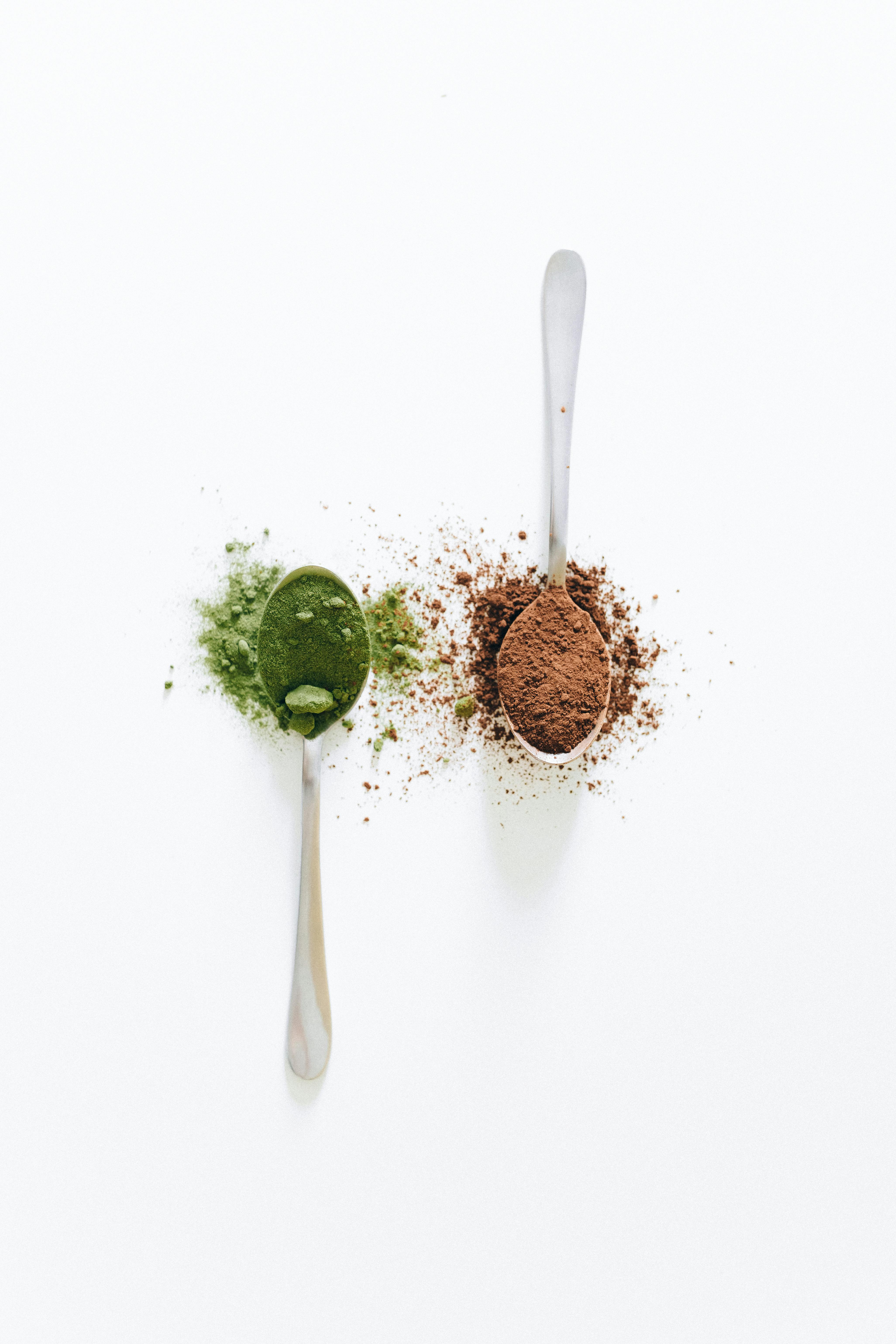
Matcha, the finely ground powder made from specially grown green tea leaves, has taken the world by storm. From vibrant lattes to traditional tea ceremonies, this powdered tea has become a staple for tea lovers and health enthusiasts alike. But did you know there are two primary types of matcha? Ceremonial matcha tea powder and culinary matcha serve different purposes and have unique qualities. Understanding their differences can help you choose the right matcha for your needs. Let’s dive in and explore!
What Is Ceremonial Matcha?
Ceremonial matcha is the highest grade of matcha available. Traditionally used in Japanese tea ceremonies, this matcha is made from the youngest, most tender tea leaves, which are carefully grown and harvested. It has a vibrant green color, smooth texture, and a naturally sweet, umami flavor.
Key Characteristics of Ceremonial Matcha
- Premium Quality: Only the finest leaves are used, ensuring no stems or veins are included.
- Preparation: Designed to be mixed with hot water and whisked into a frothy tea.
- Flavor Profile: Naturally sweet, delicate, and slightly earthy, with no bitterness.
- Uses: Best enjoyed on its own as a traditional tea.
When shopping for ceremonial matcha, look for labels like Japanese matcha or organic matcha green tea powder, as these indicate high-quality products. The best Japanese matcha green tea powder often comes from regions like Uji or Nishio in Japan, where matcha cultivation has been perfected over centuries.
What Is Culinary Matcha?
Culinary matcha, on the other hand, is a more affordable and versatile option. Made from slightly older tea leaves, it has a stronger, more robust flavor and is designed for use in recipes rather than traditional tea preparation.
Key Characteristics of Culinary Matcha
- Affordable Quality: While still nutritious, culinary matcha is less expensive than ceremonial matcha.
- Preparation: Used as an ingredient in recipes rather than for direct consumption.
- Flavor Profile: Bolder and slightly bitter, making it ideal for pairing with other ingredients.
- Uses: Perfect for smoothies, lattes, baked goods, and savory dishes.
Despite its lower cost, culinary matcha still offers the health benefits of matcha, including antioxidants and metabolism-boosting properties. Look for matcha green tea organic powder to ensure you’re getting a product free from pesticides and additives.
Differences Between Ceremonial and Culinary Matcha
Understanding the key differences between ceremonial and culinary matcha can help you decide which type best suits your needs. Here’s a side-by-side comparison:
| Aspect | Ceremonial Matcha | Culinary Matcha |
|---|---|---|
| Quality | Highest grade, tender leaves only | Good quality, older leaves |
| Color | Vibrant green | Slightly dull green |
| Flavor | Sweet, smooth, umami | Bold, slightly bitter |
| Uses | Traditional tea preparation | Recipes like lattes, baking, and cooking |
| Price | Premium, more expensive | Affordable |
| Label Examples | Japanese green tea matcha powder, organic | Matcha green tea organic powder |
How to Choose the Best Matcha for You
The choice between ceremonial and culinary matcha depends on how you plan to use it. Here are some tips to help you decide:
Choose Ceremonial Matcha If:
- You enjoy drinking matcha on its own and want the purest flavor experience.
- You’re looking for a premium product to appreciate its cultural and traditional roots.
- You’re exploring authentic Japanese matcha tea powder for ceremonial use.
Choose Culinary Matcha If:
- You’re using matcha as an ingredient in smoothies, desserts, or savory dishes.
- You’re new to matcha and want an affordable option to experiment with.
- You’re looking for versatility without compromising on health benefits.
Health Benefits of Matcha
Both ceremonial and culinary matcha provide a range of health benefits, making them a great addition to your diet. Here are some key advantages:
- Rich in Antioxidants: Matcha is packed with catechins, which help fight free radicals and promote overall health.
- Energy Boost: Matcha contains natural caffeine paired with L-theanine, providing a calm and sustained energy boost.
- Supports Weight Management: Drinking matcha can help increase metabolism and fat oxidation.
- Detoxification: The high chlorophyll content helps cleanse the body of toxins.
- Enhanced Focus: The combination of caffeine and L-theanine promotes mental clarity and focus.
Whether you choose ceremonial matcha tea powder or culinary matcha, you’ll be reaping these incredible benefits.
FAQs About Ceremonial and Culinary Matcha
1. What Is Japanese Matcha Tea Powder?
Japanese matcha tea powder refers to matcha grown and processed in Japan, known for its superior quality and rich flavor. Japanese matcha is often considered the best in the world due to traditional cultivation techniques.
2. Can I Use Ceremonial Matcha for Cooking?
While you can use ceremonial matcha in recipes, it’s not recommended due to its premium price and delicate flavor. Culinary matcha is better suited for cooking and baking.
3. Is Organic Matcha Green Tea Powder Better?
Organic matcha green tea powder ensures that the product is free from pesticides and synthetic fertilizers. It’s a great option for health-conscious consumers.
4. What Is the Best Japanese Matcha Green Tea Powder?
The best Japanese matcha green tea powder typically comes from Uji, Nishio, or Shizuoka, regions known for their exceptional matcha cultivation. Look for ceremonial-grade labels for the highest quality.
5. How Should I Store Matcha?
Store matcha in an airtight container in a cool, dark place. Refrigeration can help preserve its freshness and vibrant color.
6. Can I Drink Culinary Matcha as Tea?
While you can drink culinary matcha as tea, it may taste more bitter compared to ceremonial matcha. Adding milk or sweeteners can help balance the flavor.
7. How Do I Know If Matcha Is High Quality?
High-quality matcha will have a vibrant green color, fine texture, and a fresh, grassy aroma. Ceremonial matcha is typically more vibrant than culinary matcha.
Conclusion
Choosing between ceremonial matcha tea powder and culinary matcha ultimately comes down to your personal preferences and intended use. If you’re seeking a pure and traditional matcha experience, go for ceremonial matcha. On the other hand, if you’re exploring creative ways to incorporate matcha into your recipes, culinary matcha is your best bet. Regardless of your choice, both types of matcha offer incredible health benefits and a delightful taste of Japanese culture. So, why not try both and discover your favorite? Happy sipping!


Leave a Reply