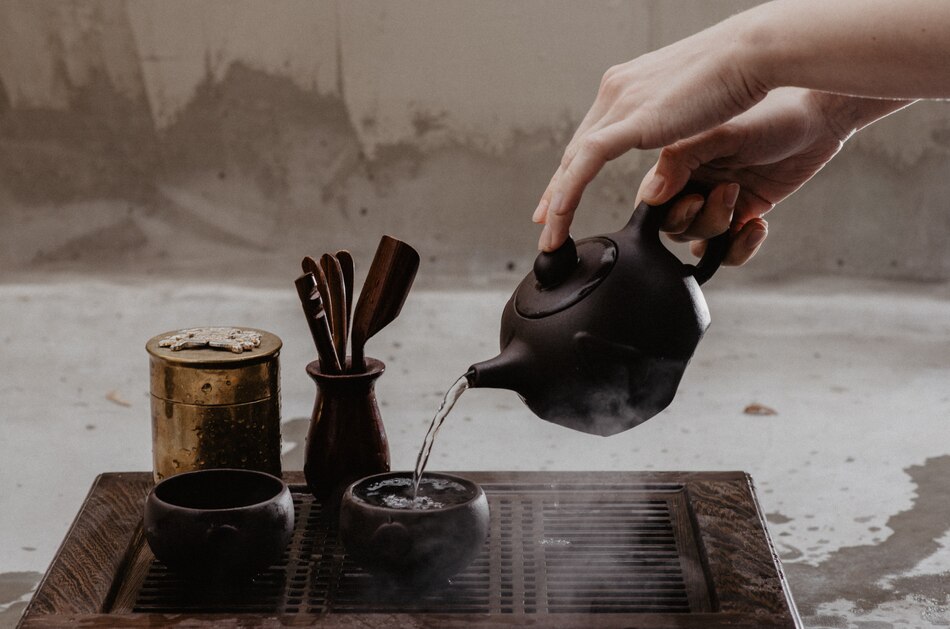
Tea has a beautiful smell and a long past making it a part of many countries worldwide. From its early days in China to its current status as a drink enjoyed worldwide, tea paste is one of custom trade and timeless appeal.
The History Of Tea
The history of tea is intriguing beginning in ancient China when it was discovered and prized for its therapeutic virtues. Emperor Shen Nong, a famous healer, is said to have found tea by mistake when some tea leaves fell into a pot of hot water around 2737 BCE. He tasted the flavored water because it smelled and tasted good and it was refreshing. This was the start of a long history of tea as a drink.
Tea became famous quickly in China from the royal halls to the rest of the country’s people. At first people drank tea because they thought it was good for them and would make them healthier and more energetic. More and more making and drinking tea became an essential part of culture. Ceremonies and traditions were created to honor the drink.
As China tea culture grew it began to spread to nearby areas through trade and cultural exchange. Buddhist monks who went to China and brought back tea seeds are credited with introducing tea to Japan. A unique form of tea culture grew in Japan which led to the creation of the Japanese tea ceremony. Matcha is a pulverized green tea that has become essential to Japanese culture. This event focuses on making and serving matcha.
Tea also made its way to India where it was first liked by Buddhist monks and then by everyone else. In India people first drank tea because they thought it could help them feel better. Over time it became a famous drink for people of all ages. The British East India Company was a big part of the history of tea in India. They set up big tea farms to meet the growing European tea demand.
European aristocrats quickly made tea a popular drink because they saw it as a sign of wealth and culture. People in Britain in particular grew to love tea so much that it became their national drink. Tea became so popular in Britain that it inspired the practice of afternoon tea, a light meal served with tea that evolved into a social rite.
People all over the world now drink tea and value it for its long history, cultural importance and health benefits. The history of tea is still interesting and fun for tea fans worldwide whether they like a formal Chinese tea ceremony or a cup of English breakfast tea.
Spread Of Tea Culture
Tea went from being a drink only found in China to being loved by people worldwide. Its past is a story of cultural exchange and globalization. The Silk Road was an old trade path that linked China to the Middle East, Central Asia and Europe. This is where the Tea trip started. Traders who traveled the Silk Road brought tea and shared it with people from different countries.
In the 9th century a Persian scholar called Muhammad al Razi wrote about tea in his book The Comprehensive Book of Medicine. This is one of the oldest records of tea used outside of China. Al Razi said tea was good for you because it could help digestion and make you feel better.
Tea also went to Japan where it became an essential part of everyday life. The chanoyu or Japanese tea ritual grew out of a way to honor the art of coffee and tea making. It has become a beloved custom in Japan to hold this ritual which stresses simplicity, unity and respect.
The British East India Company first brought tea to India in the 1800s. As the need for tea in Britain grew the company set up big tea farms in Assam and Darjeeling. Tea quickly gained popularity in India among people of all ages and social groups.
In the 17th century tea became popular among the wealthy in Europe. People in Britain in particular grew to love tea so much that it became their national drink. Tea became so popular in Britain that it inspired the practice of afternoon tea, a light meal served with tea that evolved into a social rite.
People all over the world now drink tea and value it for its long history, cultural importance and health benefits. The history of tea is still interesting and fun for tea fans worldwide whether they like a formal Chinese tea ceremony or a cup of English breakfast tea.
Impact On Society
Tea past is more than just the story of a drink, it is also how a simple leaf has changed people’s lives worldwide. For a very long time tea has been an essential part of social events celebrations and also daily routines creating cultural practices and customs.
In China tea became an essential part of social life. Extensive tea parties were created to honor guests and mark significant events. Tea was also used as money and to honor the ruler. Making and drinking tea became a sign of maturity and polish. Different types of tea and ways of heating them became linked to various social groups.
In Japan the tea ceremony symbolizes peace, unity and also respect. The ritual focuses on making and serving matcha, a powdered green tea. It is known for its careful attention to detail and focus on being present. For many Japanese people the tea ceremony became a way of life that changed their thoughts about art and philosophy and how they interacted with others.
Tea became a standard drink in India and people of all ages and social groups liked it. Setting up big tea farms to meet Britain’s growing tea demand was a big part of how the British East India Company helped tea become popular in India. Tea became an essential part of Indian society and chai, a spiced tea made with milk and sugar, became a favorite drink nationwide.
Tea became the national drink of Britain and an essential part of British society. The 19th century practice of afternoon tea has grown into a social event that people of all ages and backgrounds enjoy. In a formal setting afternoon tea usually comes with sandwiches, cookies , cakes and tea.
After all these years tea has been a popular drink worldwide. Tea is still a sign of friendliness, politeness and cultural exchange whether it is a formal Chinese tea ceremony, a Japanese tea ceremony or an Indian cup of chai. As we raise our teacups to honor tea long past we also honor its lasting impact as a drink that brings people together.
Modern Tea Culture
Tea culture has changed over the ages to reflect people changing tastes and interests as shown in its history. Tea culture has grown beyond its traditional roots and people can select from various tea related drinks and goods.
The rise of niche teas is one of the most critical changes in modern tea culture. These teas are often made with high quality tea leaves and have unique tastes and smells. Green tea, oolong tea, black tea, and also white tea are all types of luxury tea. People enjoy these teas for their rich tastes and health benefits and they are often made using old fashioned methods.
Another trend in modern tea culture is the increasing popularity of plant teas and tisanes. These teas are made from different plants, herbs and flowers. People often drink them because they suit them and make them feel calm. Herbal teas like chamomile peppermint and ginger are made from plants.



Leave a Reply