
Tea is a big part of British culture tea and more than just a way to cool off. It represents tradition, sophistication and getting together with other people. There are many ways to celebrate tea but tea gardens and tea rooms are two of the most traditional places to put this beloved drink front and center. The essence of these famous places is deeply ingrained in British culture tea. Let’s take a look.
The Historic Tapestry Of Tea Gardens
In British culture tea gardens are the most beautiful places to enjoy tea. The lush greenery, fragrant flowers and relaxing atmosphere make them a haven of peace. The history of these green retreats goes back to the Victorian era when afternoon tea became a popular tradition. From the well kept lawns of Kensington Gardens in London to the quaint charm of country estates, tea gardens provide a beautiful setting for enjoying the age old tradition of drinking tea.
In addition to being beautiful, tea gardens are places where people can get together with their families and friends to enjoy delicious treats and delicate teas. The tradition of afternoon tea with its tiny sandwiches, freshly baked scones and different pastries feels even more elegant in a green setting. Every sip of tea makes me think of a time when people loved to take their time and do nothing and time seemed to stand still.
The Allure Of Tea Rooms
In busy cities and quiet villages tea rooms call out to people who want to take a break from the fast pace of modern life. With their lace curtains, old china and floral patterns these cozy places have an old world charm that takes you back to a different time. Walking into a tea room is like returning to a time when British culture respected and enjoyed tea.
Every part of a tea room from the teas available to how the trays are arranged is carefully chosen to make you feel a certain level of sophistication. People can pick from many different tea blends from the classic Earl Grey to fruit infusions worldwide. Each one is served with the utmost care and attention. There are a variety of delicate pastries, finger sandwiches and crumbly scones to go with the tea making a symphony of flavors that is sure to please.
Preserving Tradition In A Modern World
In a time when people live busy lives and are constantly distracted by technology, tea gardens and tea rooms stand out as symbols of tradition. They keep the age-old tradition of drinking tea alive amidst the ups and downs of modern life. Even though the world around them may change, these famous places will always follow the traditions and rituals that make British culture tea.
As we try to make sense of our complicated world, the simple pleasures of tea with friends or family in a peaceful tea garden or tea room can heal us. By following these traditions we remember the past and make connections that are deeper than time and place. We can see the lasting spirit of British culture in the timeless act of drinking tea. Tea has a long history but it is still essential today.
The Evolution Of Tea Culture In Britain
British culture tea has changed over the years as social norms, economic trends and cultural influences have changed. When tea was brought to Britain in the 1600s it caused a massive craze for this strange drink which was first enjoyed by the upper class. With the expansion of the British Empire and the opening of trade routes to China and India however more people could get tea.
In the 18th century the tea garden became popular for socializing. Rich people would gather in well kept gardens with beautiful pavilions to do rituals while drinking tea. These tea gardens became symbols of class and refinement showing how tea culture was becoming more important in British society.
In the 1800s afternoon tea became popular partly because of Anna Duchess of Bedford. She is known for spreading the idea that you should eat a light meal and drink tea in the late afternoon to avoid getting too hungry before your big dinner in the evening. The upper classes quickly took to this tradition which quickly became a popular way to spend time with friends complete with fancy tea sets, fine china and delicate pastries.
In Britain today the tradition of afternoon tea lives on in tea rooms and hotels where people can enjoy the elegance and charm of British culture tea. Tea rituals and traditions may have changed over time but British culture is still based on tradition at its core. This serves as a reminder of the long history and heritage that has shaped this beloved drink.
Tea And The British Identity
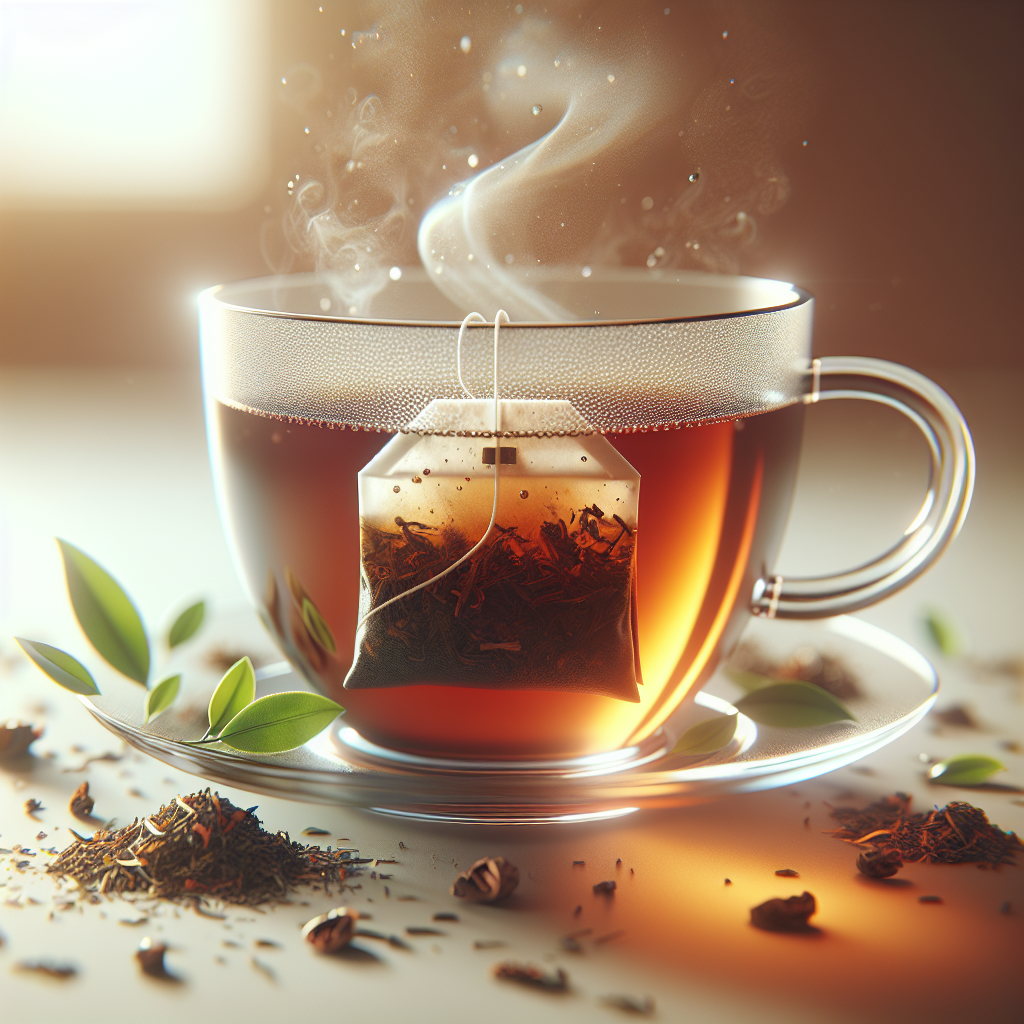
Tea is a big part of British culture tea and identity. It is a sign of friendliness, comfort and hospitality. People in Britain have a deep cultural connection to drinking tea and there are rules about how to make and drink it. Many traditions in Britain are tied to tea and its place in everyday life. These include the right way to make a pot of tea and the best way to serve it with milk and sugar.
Tea is also essential at British social events because it helps people talk to each other and get to know each other better. Whether in a cozy tea room or the extensive gardens of a country estate, tea leads people together, breaks down social barriers and builds a sense of community.
Tea has also been an important part of British history especially during times of war and crisis. Rations were a source of comfort and solace for many Britons during World War II giving them a sense of normalcy in a time of uncertainty. Tea is still a sign of strength and resilience today reminding us of how strong the British spirit is.
The Global Influence Of British Tea Culture
British culture tea significantly impacts tea drinking traditions worldwide changing how people from different communities and cultures drink and enjoy tea. The British Empire made tea a worldwide drink by bringing it to new markets and changing it to fit local tastes and customs.
Many millions of people in India and Sri Lanka which used to be British colonies drink tea every day as part of their daily routine. The way tea is brewed and served in these countries shows how much the British influenced tea culture. For example, adding milk and sugar to tea is a British tradition from drinking tea.
Even in places like Japan and Russia that have nothing to do with Britain the British tea culture has left its mark. In Japan afternoon tea is a sign of sophistication and elegance. In Russia on the other hand tea is a beloved social ritual often accompanied by sweet pastries and jams.
Conclusion
In British culture tea is more than just a drink it signifies tradition, class and community. Every part of drinking tea in Britain from the peaceful settings of tea gardens to the cozy charm of tea rooms reflects tea culture. Over many centuries tea has become an essential part of British culture reflecting the country’s history , values and spirit.
There are different ways of drinking tea in various parts of the world because British culture tea is a worldwide phenomenon. Tea history can be seen in how it is brewed, served and enjoyed in different cultures. This shows how popular and versatile this drink is.

Leave a Reply