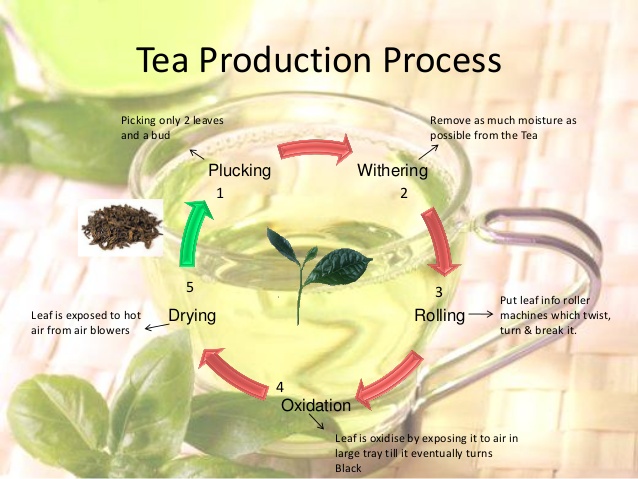

Green tea is a tasty drink and a great example of how art and science can work together to make something beautiful. Each step in creating green tea is essential for its taste, smell and health benefits from the tender tea leaves to the brewing process. Let’s look at the exciting steps used to process green tea.
1. Harvesting And Withering
The first step in the process is picking the top two leaves and the bud off of the Camellia sinensis tea plant. Skilled hands are needed to ensure that only the softest leaves are picked at this step which adds to the delicate flavor of the tea. The leaves are spread out and also wilt for a few hours after being picked. This is called withering. This lowers the amount of water in the leaves and makes them easier to work with.
2. Fixing Kill Green
The tea leaves are heated to stop oxidation after they have dried out. This is an important step that makes green tea different from other types of tea. People usually steam or pan fire the food to do this process also called fixing or killing green. Japan likes to steam tea which makes Sencha and also Matcha. China on the other hand likes to pan fire tea which makes Longjing and Gunpowder. The heat turns off the enzymes that cause oxidation which keeps the leaves green color and fresh taste.
3. Rolling And Drying
The next step in making green tea is to roll the leaves to give them shape and let the tasty juices inside them escape. In the past this was done by hand but these days machines are often used to make things more consistent and quick. The cell walls of the leaves are broken down by rolling which lets more flavors come through during brewing. Once the leaves have been rolled they are dried to lower the water content and make the tea stable for transport and storage.
Green tea processing steps involve a combination of old and new ideas. Skilled craftsmen use their art and modern technology to make it perfectly. Every step from picking the leaves to drying them gives green tea its own flavor and aroma. It is a popular drink worldwide due to its health benefits and delicious taste.
4. Sorting And Grading
Once the leaves are dry they are carefully sorted by size, shape and quality. Grading ensures that only the best leaves end up in the final product. Different areas that grow tea use various ways to grade it. Some use numerical scales while others use words like fine medium and coarse to describe the quality. This level of care in sorting and grading is significant for maintaining the quality and also consistency of green tea.
5. Packaging And Distribution
The green tea leaves are ready to be packed and sent out once sorted and graded. Whether you choose loose leaf tea or tea bags the packaging is a big part of keeping the tea fresh and full of flavor. Green tea is usually kept in containers that don’t let air in. This keeps it safe from light air and moisture which can lower its quality. Different types of tea are sold in various ways. Some are sold in tea shops in the same country while others are sent to markets in other countries.
6. Brewing And Enjoying
Making and drinking the tea is the last step in processing green tea. To make the perfect cup of green tea you need to use the proper water temperature and also steep it for the right amount of time for each type. Green tea processing steps are known for having delicate tastes and smells that can be overpowered by hot water or steeping for too long. It is important to brew green tea carefully and enjoy every sip to get the most out of it.
7. Flavoring And Blending
Some green tea types go through extra processing steps to make them taste better or make unique blends. Adding flavors to tea leaves like jasmine or mint can be done naturally or artificially. When you blend on the other hand you mix different kinds of tea leaves to make a flavor profile that is balanced and complex. To ensure that the final product stays true to the original tea while adding new flavors these steps must be done with skill and knowledge.
8. Quality Control And Assurance
Strict quality control measures are in place at every step of the green tea processing steps to ensure the tea meets the highest standards. Quality control starts as soon as the leaves are picked and continues through all of the steps of processing, packing and shipping. Tea samples are tested often to see how they look, taste , smell and stay consistent. If the tea meets the set quality standards it could be accepted or given a higher grade.
9. Sustainable Practices And Environmental Impact
As the demand for green tea rises so does the focus on environmentally friendly ways to grow tea. Some examples of sustainable practices are using organic farming methods, saving water and eliminating trash. Much attention is paid to making tea production as eco-friendly as possible by cutting down on energy use and also carbon emissions. Many tea companies are also starting social responsibility programs to help the communities where they grow tea and ensure that tea workers get paid fairly.
10. Innovations In Green Tea Processing Steps
New ways of Green tea processing steps have been made possible by improvements in technology and methods. One of these is using machines for processing which has made things more consistent and efficient. Things that used to be done by hand like withering, rolling and drying can now be done by machines. To keep the flavor and nutrients of the tea leaves new ways of processing them have also been created such as microwave drying and vacuum frying. These new ideas will continue to shape the future of processing green tea, keeping the industry alive and changing.
11. Health Benefits Of Green Tea Processing Steps
The steps used to make green tea change how it tastes and how healthy it is. Green tea is famous for having a lot of antioxidants which are thought to be good for your health in many ways such as lowering your risk of heart disease, making your brain work better and helping you lose weight. These antioxidants are kept alive by the steps used in processing, especially steaming or pan firing to stop oxidation. Green tea also has more health benefits because it is less processed than other types of tea. This means that it keeps more of its natural compounds.
12. Cultural Significance Of Green Tea Processing Steps
Green tea has a special place in many cultures around the world. It is not just a drink, it is a sign of friendship, hospitality and tradition. The tea ceremony or chanoyu in Japan is a very ritualized event that honors the skill of making and serving green tea. Green tea is a big part of everyday life in China. People enjoy the different kinds for their distinct tastes and health benefits. Learning about the cultural meanings behind the steps used to make green tea makes us appreciate this old drink even more.
Conclusion
The careful and time honored art of processing green tea combines old and new techniques. Every step from carefully picking the leaves to brewing the tea in your cup is essential for green tea flavor, smell and health benefits. There are many different flavors of green tea to try. Some people like the grassy notes of Japanese Sencha while others like the sweet nutty notes of Chinese Longjing.


Leave a Reply