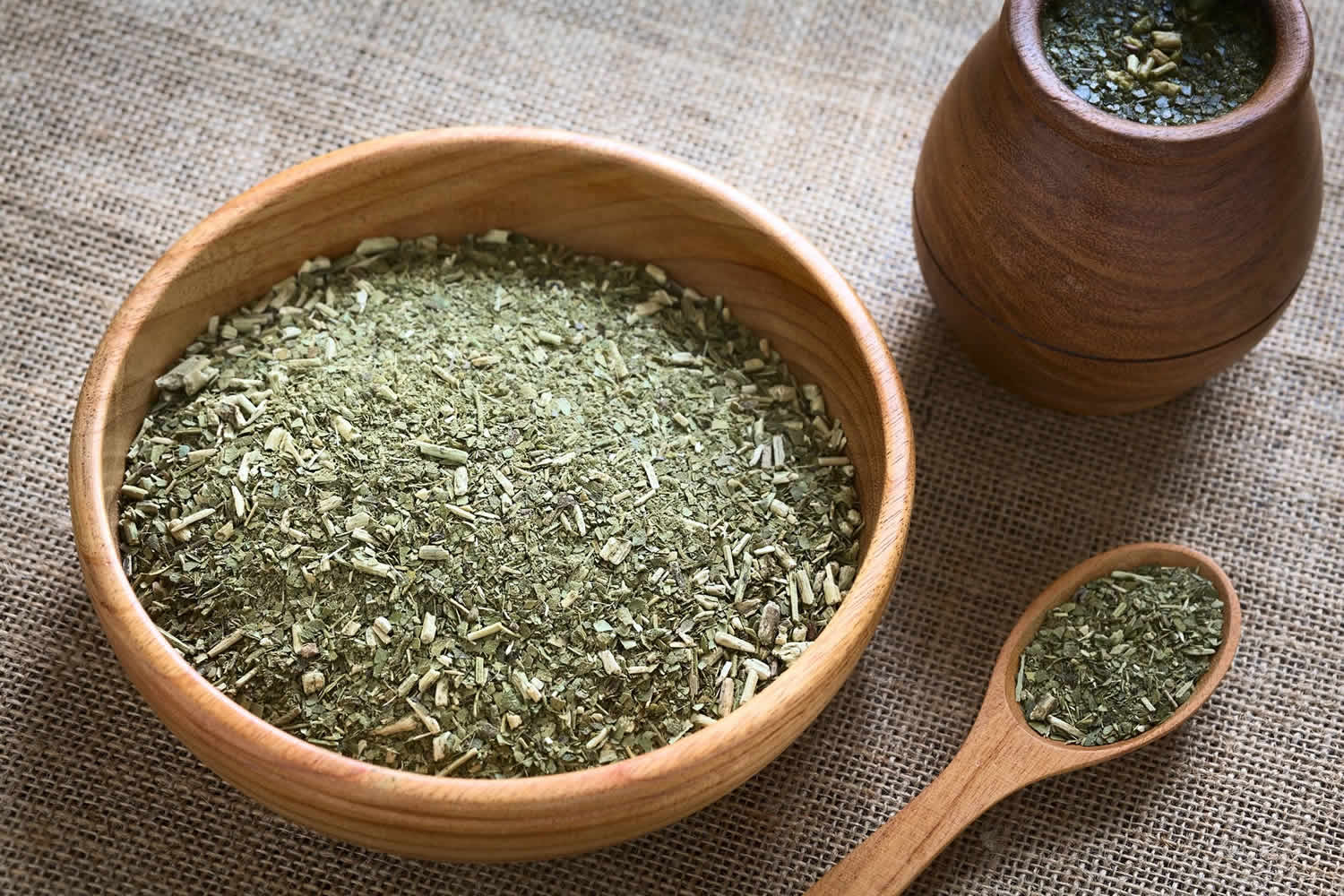
Yerba mate is a traditional South American drink made from the leaves of the Ilex paraguariensis plant. It has become famous all over the world because of its unique taste and possible health effects. While once consumed predominantly in countries like Argentina, Uruguay, Paraguay, and Brazil, yerba mate is now widely available in the United States and beyond, found not only as a beverage but also as a dietary supplement in many pharmacies and health food stores. The leaves are typically dried with a heat source—sometimes over open flames—then stored and finally steeped with hot water (usually very hot) to make the tea.
The tea goes by many different names, including Cimmaron and St. Bartholomew’s tea, and is sometimes enjoyed for its reputed ability to boost energy and help with weight loss. However, there has been ongoing discussion and worry about its link to cancer. We will look into the studies about yerba mate and cancer in this piece to help you understand what is going on.
The Origins Of Yerba Mate And Its Cultural Significance
Yerba mate has been used for a long time in South America, especially in Argentina, Uruguay, Paraguay, and Brazil. Friends and family often get together to share a gourd called mate and a metal straw called bombilla. In these parts of the world, drinking mate with other people is an important part of society and is seen as a sign of friendship and kindness.
Yerba mate has been praised for its possible health effects as well as its cultural importance. Some studies show that it may help you focus better, have more energy, and lose weight. It is full of antioxidants, vitamins, and minerals. However, the link between drinking yerba mate and cancer has made both health workers and regular people worried.
Understanding The Link Between Yerba Mate And Cancer
Several studies have looked into the possible link between drinking yerba mate and cancer, mostly , and bladder cancers. Some people are worried about yerba mate because it has heavy metals and polycyclic aromatic hydrocarbons (PAHs), both of which are known to cause cancer. These compounds can be introduced when yerba mate leaves are dried over open flames—a traditional method that may increase the risk of forming these dangerous chemicals.
However, the proof that drinking yerba mate can cause cancer is not strong enough to say for sure. Heavy drinkers of yerba mate may be more likely to get some types of cancer, but other studies have found no major link. It is hard to say for sure that yerba mate alone has an effect on cancer because things like smoking, drinking alcohol, and diet may also play a part.
How Yerba Mate Is Consumed
Yerba mate is most commonly prepared by steeping dried leaves in hot water, often at very high temperatures. In traditional gatherings, the beverage is shared communally, with each person sipping from the same gourd using a metal straw. Besides being brewed as a tea, yerba mate is increasingly available as a supplement in powder or capsule form, making it easier for people outside South America to try it. Regardless of the form, the ritual and the social aspect remain a core part of the mate experience.
Practical Recommendations For Yerba Mate Consumption
If you like drinking yerba mate there are a few things you can do to lower any risks that might come with it. If you want to avoid PAHs choose brands that dry their products without using smoke. Also don’t drink yerba mate when it is very hot because hot drinks can raise the risk of throat cancer.
Like almost any beverage or supplement, there are some side effects and reasons why certain people should avoid yerba mate altogether. Some people may feel jittery or have trouble sleeping because yerba mate contains caffeine. Drinking it late in the day can keep you up at night. It may also interact with certain medicines or health conditions, so if you have high blood pressure, heart problems, or are pregnant, it’s smart to talk to your doctor before making yerba mate a daily habit.
Also it is important to drink yerba mate in moderation and be aware of other things in your life that may raise your risk of cancer. Stick to a healthy diet, work out daily and don’t smoke or drink too much booze. There are some things that could make you more likely to get cancer so you might want to talk to a doctor before adding yerba mate to your routine.
Yerba Mate And Its Antioxidant Properties
People know that yerba mate has a lot of antioxidants which may be one reason why it might be good for your health. Antioxidants help keep your body cells safe from damage caused by free radicals. Free radicals are unstable molecules that can help cancer and other diseases grow. There are many antioxidants in yerba mate such as polyphenols, flavonoids and caffeoyl derivatives. These have been shown to protect against oxidative stress.
Several studies have looked into yerba mate protective qualities and how it might help avoid cancer. In lab tests showed that yerba mate powder could stop the growth of colon cancer cells which suggests that it may have qualities that help fight cancer. Yerba mate antioxidants were found to help protect against DNA damage in another study. DNA damage is a major cause of cancer.
More study is needed to fully understand how the antioxidants in yerba mate can help avoid cancer. However eating yerba mate as part of a healthy balanced lifestyle may offer some protection.
Yerba Mate And Its Effect On DNA Damage
DNA damage is a key step in the growth of cancer because it can change genes that control how cells divide and grow. A few studies show that yerba mate may help protect against DNA damage because it has antioxidants. For instance a study on mice found that giving them yerba mate supplements helped lower DNA damage in the liver which suggests that they might help fight cancer.
Additionally yerba mate has chemicals in it like saponins and xanthines that have been shown to reduce inflammation and protect DNA. By stopping DNA damage from building up in cells these chemicals may help lower the risk of getting cancer.
Even though these results are encouraging, more study is needed to find out exactly how yerba mate may protect against DNA damage and cancer. As a temporary measure adding yerba mate to your diet as part of a healthy and balanced way of life might help protect you.
Possible Side Effects and Contraindications
While yerba mate offers potential health benefits, it isn’t for everyone. Because of its caffeine content, people who are sensitive to caffeine might experience headaches, rapid heartbeat, or digestive problems. Consuming large amounts can make these side effects worse. If you are taking medications that affect the heart or nervous system, check with your doctor to make sure yerba mate is safe for you. Pregnant or breastfeeding women should also be cautious, as too much caffeine can affect both mother and baby.
Yerba Mate And Its Potential Impact On Cancer Development
Even though there are worries about the link between yerba mate and cancer, study into how it really affects the growth of cancer is still ongoing and not yet clear. Some studies show that drinking a lot of yerba mate might be linked to some types of cancer but other studies have not found a strong connection. It is hard to say for sure that yerba mate alone has no effect on cancer because things like smoking, drinking booze and food may also play a part.
It is important to be careful with these results and think about how they fit into your overall living and eating habits. If you are worried about how drinking yerba mate might affect your health you might want to talk to a doctor or nurse to get personalized help.
Yerba Mate Preparation Methods And Cancer Risk
Polycyclic aromatic hydrocarbons PAHs which are known to cause cancer are thought to be formed when the traditional way of making yerba mate involves smoking the leaves over open flames. Organic matter like yerba mate leaves can turn into PAHs when it is burned at high temperatures. That being said, not all yerbamate goods are made this way. It is less likely that PAH will form when some brands dry their products without using smoke.
To lower your exposure to PAHs you might want to choose yerba mate goods that are made without using smoke. Also don’t make yerba mate at very high temperatures doing so can raise the risk of esophagus cancer. Instead make yerba mate at a reasonable temperature and let it cool down a bit before drinking.
Yerba Mate Consumption Guidelines For Cancer Prevention
Consider the following tips if you like yerba mate and want to add it to your diet while lowering any possible risks
- Choose well known brands: Choose yerba mate from well known brands that put quality and safety first in the way they make their goods.
- Limit your use: Drink yerba mate in moderation. Limit your daily intake to a few cups to lower your risk of being exposed to chemicals that could cause cancer.
- Consider your overall lifestyle: Maintaining a healthy lifestyle means eating a balanced diet, working out regularly and not smoking or drinking too much booze.
- Consult a healthcare professional: You should talk to a doctor before adding yerba mate to your routine if you have a history of cancer or other risk factors.
By being aware of how much and how you consume yerba mate—and knowing who should avoid it—you can make smart choices that fit your health needs and lifestyle.
Yerba Mate And Its Antioxidant Properties
People know that yerba mate has a lot of antioxidants, which may be one reason why it might be good for your health. Antioxidants help keep your body cells safe from damage caused by free radicals. Free radicals are unstable molecules that can help cancer and other diseases grow. There are many antioxidants in yerba mate, such as polyphenols, flavonoids, and caffeoyl derivatives. These have been shown to protect against oxidative stress.
Several studies have looked into yerba mate’s protective qualities and how it might help avoid cancer. In lab tests, yerba mate powder could stop the growth of colon cancer cells, which suggests that it may have qualities that help fight cancer. Yerba mate antioxidants were found to help protect against DNA damage in another study. DNA damage is a major cause of cancer.
More study is needed to fully understand how the antioxidants in yerba mate can help avoid cancer. However, eating yerba mate as part of a healthy balanced lifestyle may offer some protection.
Yerba Mate And Its Effect On DNA Damage
DNA damage is a key step in the growth of cancer because it can change genes that control how cells divide and grow. A few studies show that yerba mate may help protect against DNA damage because it has antioxidants. For instance, a study on mice found that giving them yerba mate supplements helped lower DNA damage in the liver, which suggests that they might help fight cancer.
Additionally, yerba mate has chemicals in it like saponins and xanthines that have been shown to reduce inflammation and protect DNA. By stopping DNA damage from building up in cells, these chemicals may help lower the risk of getting cancer.
Even though these results are encouraging, more study is needed to find out exactly how yerba mate may protect against DNA damage and cancer. As a temporary measure, adding yerba mate to your diet as part of a healthy and balanced way of life might help protect you.
Yerba Mate And Its Potential Impact On Cancer Development
Even though there are worries about the link between yerba mate and cancer, study into how it really affects the growth of cancer is still ongoing and not yet clear. Some studies show that drinking a lot of yerba mate might be linked to some types of cancer, but other studies have not found a strong connection. It is hard to say for sure that yerba mate alone has an effect on cancer because things like smoking, drinking alcohol, and food may also play a part.
It is important to be careful with these results and think about how they fit into your overall living and eating habits. If you are worried about how drinking yerba mate might affect your health, you might want to talk to a doctor or nurse to get personalized help.
Yerba Mate Preparation Methods And Cancer Risk
Polycyclic aromatic hydrocarbons (PAHs), which are known to cause cancer, are thought to be formed when the traditional way of making yerba mate involves smoking the leaves over open flames. Organic matter like yerba mate leaves can turn into PAHs when it is burned at high temperatures. That being said, not all yerba mate goods are made this way. It is less likely that PAH will form when some brands dry their products without using smoke.
To lower your exposure to PAHs, you might want to choose yerba mate goods that are made without using smoke. Also, don’t make yerba mate at very high temperatures—doing so can raise the risk of esophagus cancer. Instead, make yerba mate at a reasonable temperature and let it cool down a bit before drinking.
The Origins Of Yerba Mate And Its Cultural Significance
Maracuya has been used for a long time in South America especially in Argentina Uruguay Paraguay and Brazil. Friends and family often get together to share a gourd called mate and a metal straw called bombilla. In these parts of the world drinking mate with other people is an important part of society and is seen as a sign of friendship and kindness.
Yerba mate has been praised for its possible health effects as well as its cultural importance. Some studies show that it may help you focus better, have more energy and lose weight. It is full of antioxidants, vitamins and minerals. However the link between drinking yerba mate and cancer has made both health workers and regular people worried.
Understanding The Link Between Yerba Mate And Cancer
SPolycyclic aromatic hydrocarbons (PAHs), which are known to cause cancer, are thought to be formed when the traditional way of making yerba mate involves smoking the leaves over open flames. Organic matter like yerba mate leaves can turn into PAHs when it is burned at high temperatures. That being said, not all goods are made this way. It is less likely that PAH will form when some brands dry their products without using smoke.
Recent studies have found that smoked yerba mate leaves can contain high amounts of PAHs, including benzo[a]pyrene, a substance classified as a group I carcinogen (meaning it is considered carcinogenic to humans). However, since PAHs are hydrophobic, they may not all make it into the brewed tea itself—though more research is needed to know for sure if these levels are a real concern when you drink yerba mate.
Temperature also plays a big role. Some research suggests that drinking very hot yerba mate could be more risky for your esophagus than the PAHs themselves. High temperatures can damage the sensitive lining of your esophagus, possibly making it more vulnerable to carcinogens or other irritants found in the drink. Other studies believe both the PAHs and the temperature could act together, with high heat possibly increasing the cancer risk from PAHs.
How to Lower Your Riskf
To lower your exposure to PAHs, you might want to choose yerba mate goods that are made without using smoke. Also, don’t make yerba mate at very high temperatures—doing so can raise the risk of esophagus cancer. Instead, make yerba mate at a reasonable temperature and let it cool down a bit before drinking.
How International Agencies Classify Yerba Mate and Cancer Risk
The question of whether yerba mate itself is a carcinogen has been carefully considered by international health organizations. In 1991, the International Agency for Research on Cancer (IARC), which is part of the WHO, took a close look at mate and its potential cancer risk. Their conclusion? Drinking mate at high temperatures—especially when it’s very hot—was “probably carcinogenic to humans.” This meant there was enough evidence to be concerned, particularly about cancers of the esophagus, but mainly among those who drank mate piping hot.
Later studies found that the same risk applies to any very hot beverage, not just yerba mate. It turns out that drinking liquids hotter than 65°C (about 149°F) could damage cells in your throat, which might increase your cancer risk. In 2016, IARC updated their classification, grouping all drinks consumed at very high temperatures as “probably carcinogenic to humans.” This includes mate, tea, and coffee—if they’re drunk extra hot.
On the other hand, when yerba mate is consumed at cooler temperatures, experts could not find enough proof to link it to cancer. When it’s not very hot, mate falls into a category where its cancer risk isn’t clear—meaning there’s not enough evidence one way or the other.
Yerba Mate And The Risk Of Head And Neck Cancers
Some researchers have also looked at whether drinking yerba mate could be linked to cancers in the mouth and throat (sometimes called “head and neck cancers”). In some reviews, people who regularly drank mate appeared to have a higher risk of developing these cancers compared to those who did not drink mate. However, a big challenge with these studies is that they did not always account for how hot the mate was being consumed—a factor that could also raise cancer risk on its own.
To put it in perspective, one summary of the research suggested that drinking mate might explain about 16% of mouth and throat cancer cases in places where the drink is very popular. Still, because other habits like smoking, alcohol use, and very hot drinks often go together, it’s tough to know for certain how much mate by itself affects your risk.
Yerba Mate And Prostate Cancer Risk
There is some research looking at yerba mate and its possible link with prostate cancer. For example, a large study done in Uruguay found that men who drank yerba mate regularly seemed to have a higher risk of developing prostate cancer compared to those who did not drink it. The risk in heavy drinkers was nearly twice as high. However, as with other types of cancer, it is hard to separate the effects of yerba mate from other things that may raise cancer risk, such as smoking, diet, or genetics. More research needs to be done to understand how much yerba mate alone really affects prostate health.
Practical Recommendations For Yerba Mate Consumption
If you like drinking yerba mate there are a few things you can do to lower any risks that might come with it. If you want to avoid PAHs choose brands that dry their products without using smoke. Also don’t drink yerba mate when it is very hot because hot drinks can raise the risk of throat cancer.
Also it is important to drink yerba mate in moderation and be aware of other things in your life that may raise your risk of cancer. Stick to a healthy diet, work out daily and don’t smoke or drink too much booze. There are some things that could make you more likely to get cancer so you might want to talk to a doctor before adding yerba mate to your routine.
Potential Side Effects And Complications From Drinking Yerba Mate
While most people can enjoy yerba mate without problems, some side effects and rare complications have been reported. For starters, babies whose mothers drank a lot of yerba mate during pregnancy have shown signs of withdrawal, much like what happens with caffeine. This means that pregnant women may want to watch their mate intake to lower any possible issues for their newborns.
Serious side effects are uncommon, but there have been rare reports of severe liver problems—such as hepatitis and even liver failure—in people who drank a large amount of yerba mate. Most people will never face these complications, but it’s good to be aware that, like with many drinks containing bioactive compounds, moderation is always a smart approach.
Is It Safe To Drink Yerba Mate During Pregnancy Or Breastfeeding?
If you are pregnant or breastfeeding, you might be wondering if yerba mate is a safe choice. The main concern comes down to caffeine. Drinking too much caffeine while pregnant—which usually means more than 300 mg a day, or about six cups of yerba mate—can increase the risk of problems like miscarriage or early labor.
There still isn’t clear information about whether all parts of yerba mate make their way into breast milk. Because of this, most health experts advise being cautious and keeping your intake low if you are breastfeeding.
Some practical guidelines:
- Limit yerba mate to no more than a cup or two a day during pregnancy.
- Talk to your doctor before adding yerba mate to your routine if you are pregnant or breastfeeding.
- Consider other sources of caffeine you might be consuming throughout your day to avoid going over safe limits.
As with any food or drink during pregnancy or breastfeeding, it is best to err on the safe side and check with a healthcare professional about what is right for you.
Yerba Mate And Heart Health Concerns
While yerba mate offers unique flavors and possible health perks, it’s important to consider how it might affect people with existing heart conditions. Yerba mate naturally contains caffeine and other stimulating compounds that can affect your heart rate and blood pressure.
If you have heart disease, an irregular heartbeat (arrhythmia), or high blood pressure, drinking yerba mate may not be the best choice. The stimulating effects could make symptoms worse or increase health risks.
Some doctors recommend limiting or avoiding caffeinated drinks like yerba mate if you’re managing any heart issues. If you have specific questions about how yerba mate might affect you, it’s a smart idea to talk with your healthcare provider to make sure it’s safe for your situation.
Yerba Mate And Its Antioxidant Properties
People know that yerba mate has a lot of antioxidants which may be one reason why it might be good for your health. Antioxidants help keep your body cells safe from damage caused by free radicals. Free radicals are unstable molecules that can help cancer and other diseases grow. There are many antioxidants in yerba mate such as polyphenols, flavonoids and caffeoyl derivatives. These have been shown to protect against oxidative stress.
Several studies have looked into yerba mate protective qualities and how it might help avoid cancer. In lab tests showed that yerba mate powder could stop the growth of colon cancer cells which suggests that it may have qualities that help fight cancer. Yerba mate antioxidants were found to help protect against DNA damage in another study. DNA damage is a major cause of cancer.
More study is needed to fully understand how the antioxidants in yerba mate can help avoid cancer. However eating yerba mate as part of a healthy balanced lifestyle may offer some protection.
Yerba Mate And Its Effect On DNA Damage
DNA damage is a key step in the growth of cancer because it can change genes that control how cells divide and grow. A few studies show that yerba mate may help protect against DNA damage because it has antioxidants. For instance a study on mice found that giving them yerba mate supplements helped lower DNA damage in the liver which suggests that they might help fight cancer.
Additionally yerba mate has chemicals in it like saponins and xanthines that have been shown to reduce inflammation and protect DNA. By stopping DNA damage from building up in cells these chemicals may help lower the risk of getting cancer.
Even though these results are encouraging, more study is needed to find out exactly how yerba mate may protect against DNA damage and cancer. As a temporary measure adding yerba mate to your diet as part of a healthy and balanced way of life might help protect you.
Possible Side Effects of Drinking Yerba Mate
While yerba mate is a treasured tradition for many, it’s important to be aware that, like your morning coffee or a strong cup of tea, it comes with a few potential side effects—especially if you overdo it.
For most people, moderate amounts bring a gentle lift. But in some cases, drinking yerba mate may cause:
- Irritability or feeling jittery
- Trouble sleeping, particularly if sipped late in the day
- An upset stomach or mild digestive discomfort
- Racing heartbeat or an increased sense of nervousness
If you go above and beyond—think many gourds per day, or over a dozen cups—you might notice additional effects:
- Headaches that linger
- Tinnitus (a buzzing or ringing in the ears)
- Diarrhea or digestive upsets that don’t settle
- Restlessness or a sense of agitation
As with any caffeinated drink, everyone’s tolerance can differ. It’s a good idea to check in with yourself and stick to a pace that feels comfortable for your body.
Yerba Mate, Pregnancy, And Caffeine Guidelines
If you are pregnant and enjoy yerba mate, it’s important to watch your caffeine intake. Health experts usually recommend that pregnant people keep their caffeine intake below 300 mg a day. Drinking more than this amount—roughly equivalent to six cups of yerba mate—may raise the risk of problems such as miscarriage or early labor.
Since yerba mate contains caffeine, drinking multiple cups in a day can quickly add up. To stay on the safe side, try to limit how much you drink and check how much caffeine is in each serving. If you have questions about what’s right for you during pregnancy, it is always a good idea to talk to your doctor about your diet and how much yerba mate you can safely enjoy.
How Caffeine Content in Yerba Mate Can Lead to Side Effects
Yerba mate’s energizing reputation owes a lot to its natural caffeine content. While this caffeine boost can help with alertness and mental clarity, it can also bring some less desirable side effects—especially if you drink a lot of it.
Common reactions to caffeine from yerba mate include feeling jittery or irritable, trouble sleeping, and a racing heart. Some people might also notice an upset stomach or feel a bit on edge after enjoying their mate.
If you happen to sip on cup after cup—think more than a dozen in a day—those effects can intensify. It’s not unusual to experience headaches, a ringing sensation in your ears, diarrhea, or even heart palpitations if you’re especially sensitive or overdo it.
As with any caffeinated drink, moderation is key. What’s an invigorating pick-me-up for one person might keep someone else up all night. Always pay attention to your own tolerance and adjust your daily mate ritual accordingly.
Yerba Mate And Its Potential Impact On Cancer Development
Even though there are worries about the link between yerba mate and cancer, study into how it really affects the growth of cancer is still ongoing and not yet clear. Some studies show that drinking a lot of yerba mate might be linked to some types of cancer but other studies have not found a strong connection. It is hard to say for sure that yerba mate alone has no effect on cancer because things like smoking, drinking booze and food may also play a part.
It is important to be careful with these results and think about how they fit into your overall living and eating habits. If you are worried about how drinking yerba mate might affect your health you might want to talk to a doctor or nurse to get personalized help.
Yerba Mate Preparation Methods And Cancer Risk
Polycyclic aromatic hydrocarbons PAHs which are known to cause cancer are thought to be formed when the traditional way of making yerba mate involves smoking the leaves over open flames. Organic matter like yerba mate leaves can turn into PAHs when it is burned at high temperatures. That being said, not all yerba mate goods are made this way. It is less likely that PAH will form when some brands dry their products without using smoke.
To lower your exposure to PAHs you might want to choose yerba mate goods that are made without using smoke. Also don’t make yerba mate at very high temperatures doing so can raise the risk of esophagus cancer. Instead make yerba mate at a reasonable temperature and let it cool down a bit before drinking.
Yerba Mate Consumption Guidelines For Cancer Prevention
Consider the following tips if you like yerba mate and want to add it to your diet while lowering any possible risks
- Choose well known brands Choose yerba mate from well known brands that put quality and safety first in the way they make their goods.
- Limit your use of drinking yerba mate in moderation. Limit your daily intake to a few cups to lower your risk of being exposed to chemicals that could cause cancer.
- Consider your overall lifestyle. Maintaining a healthy lifestyle means eating a balanced diet, working out regularly and not smoking or drinking too much booze.
- Consult a healthcare professional You should talk to a doctor before adding yerba mate to your routine if you have a history of cancer or other risk factors.
You can keep drinking yerba mate as part of a healthy lifestyle if you follow these tips and stay up to date on the latest study.
Potential Interactions: Yerba Mate and Stimulant Medications
It is also wise to consider how yerba mate may interact with certain medications, especially those with stimulant effects. Yerba mate contains caffeine and other compounds that can add to the stimulating impact of some medicines and drugs. This means that taking yerba mate together with stimulants could increase side effects such as jitteriness, rapid heartbeat, or trouble sleeping.
Some common types of drugs that might interact include:
- Prescription stimulants, like those often used for ADHD (such as Adderall or Ritalin)
- Over-the-counter cold and cough medicines containing ingredients like ephedrine or pseudoephedrine
- Recreational stimulants, including cocaine and similar substances
If you are taking any medication that acts as a stimulant, or if you have any health concerns about possible interactions, it is always a good idea to talk with your doctor or pharmacist before making yerba mate a regular part of your day.
What Health Conditions Should Avoid Or Be Cautious With Yerba Mate?
While yerba mate offers several potential benefits, it is not the right choice for everyone. Some health conditions mean you should be careful or talk to your doctor before drinking it, especially if you plan on having it regularly.
Who should be cautious?
- People with heart issues. Yerba mate contains caffeine and other stimulants, so anyone with heart disease, arrhythmias (irregular heartbeat), or high blood pressure should be especially careful.
- Those with inflammatory bowel conditions. If you have problems like inflammatory bowel disease (IBD), yerba mate may make diarrhea worse.
- Individuals with diabetes. If you have diabetes—especially type 1—yerba mate could affect blood sugar levels, so you might need to check your levels more often.
- People with glaucoma. The caffeine in yerba mate can increase pressure in the eyes, which may be risky for those with this condition.
- Anyone with bleeding disorders or on certain medications. Because caffeine can slow blood clotting for some people, if you have a bleeding disorder or take medicines that affect clotting, it’s important to be cautious and speak with your healthcare provider first.
It’s a good idea to consult your doctor if you’re unsure whether yerba mate is safe for you, especially if you have any of the above health issues or are taking medication regularly.
Caffeine in Yerba Mate and Blood Clotting Concerns
It is also worth noting that yerba mate contains caffeine, which can affect how blood clots. For some people, caffeine may slow down the blood clotting process. This could be a problem if you already have a bleeding disorder or if you are taking medicines that can change how quickly your blood clots—like blood thinners or medications that are meant to prevent clots.
If this sounds like you, it is especially important to talk to your healthcare provider before adding yerba mate to your daily routine. They can help you figure out whether it is safe for you or if you need to limit your intake to avoid extra risks. Taking these steps means you can enjoy yerba mate with more confidence and less worry about possible health effects.
Special Considerations for People With Diabetes
If you have diabetes—especially type 1 diabetes—it’s a good idea to keep a close eye on your blood sugar levels when enjoying yerba mate. Some people find that caffeine, which is naturally present in yerba mate, can cause fluctuations in blood glucose. If you notice any unusual changes, it may help to track your sugars and talk to your doctor or healthcare provider before making yerba mate part of your daily routine.
Also, it’s worth noting that yerba mate can raise the pressure inside the eye. People with glaucoma or those who are at risk should check with their eye doctor before drinking yerba mate regularly. As with any wellness habit, listening to your body and checking in with a healthcare professional about any concerns is always best.
Conclusion
Researchers are still looking into the link between drinking yerba mate and cancer but it is important to know about the risks and make smart decisions about how much you drink. You can keep enjoying yerba mate as part of a healthy and balanced lifestyle if you follow these suggestions and stay up to date on the latest research.


Leave a Reply