
When women are pregnant they often pay close attention to what they eat and how they live to make sure their baby stays healthy. There are many things to think about but eating tea leaves is one of the most important ones. Tea is a popular drink all over the world because of its taste, warmth and possible health advantages. When a woman is pregnant, it is very important to know how tea leaves and pregnancy can affect both her and the growing baby.
Understanding The Impact Of Tea Leaves and Pregnancy
Tea leaves have chemicals in them like caffeine and vitamins that can change how a baby turns out. A reasonable amount of caffeine during pregnancy is usually thought to be safe but too much caffeine may be harmful. It is known that high amounts of caffeine can cross the placenta and raise the risk of miscarriage and low birth weight. Because of this pregnant women are often told to reduce their caffeine intake even from tea.
Additionally some plant drinks like chamomile peppermint and raspberry leaf tea are thought to have healing qualities and are frequently used to ease the discomforts of pregnancy. But there isn’t a lot of evidence that herbal drinks are safe for pregnant women and some herbs may have bad effects or mix badly with medicines. Because of this, pregnant women should talk to their doctor before drinking plant teas.
Best Practices For Consuming Tea Leaves During Pregnancy
It is possible to eat tea leaves safely while pregnant as long as you do it in moderation and with care. Here are some things you should do
- Limit Your Caffeine: Intake Tea has caffeine which you should not drink too much of while you are pregnant. It is suggested that you don’t drink more than 200 to 300 mg of caffeine per day which is about one to two cups of hot tea.
- Choose Decaffeinated or Low Caffeine Teas: If you want to cut down on your caffeine intake choose decaffeinated or low caffeine drinks. Herbal teas that don’t have caffeine in them like chamomile or rooibos can be good options.
- Avoid Some Herbal Teas: If you are pregnant you should stay away from herbal teas that contain licorice root sage or parsley because they might make you feel bad. Before drinking plant drinks you should always talk to your doctor.
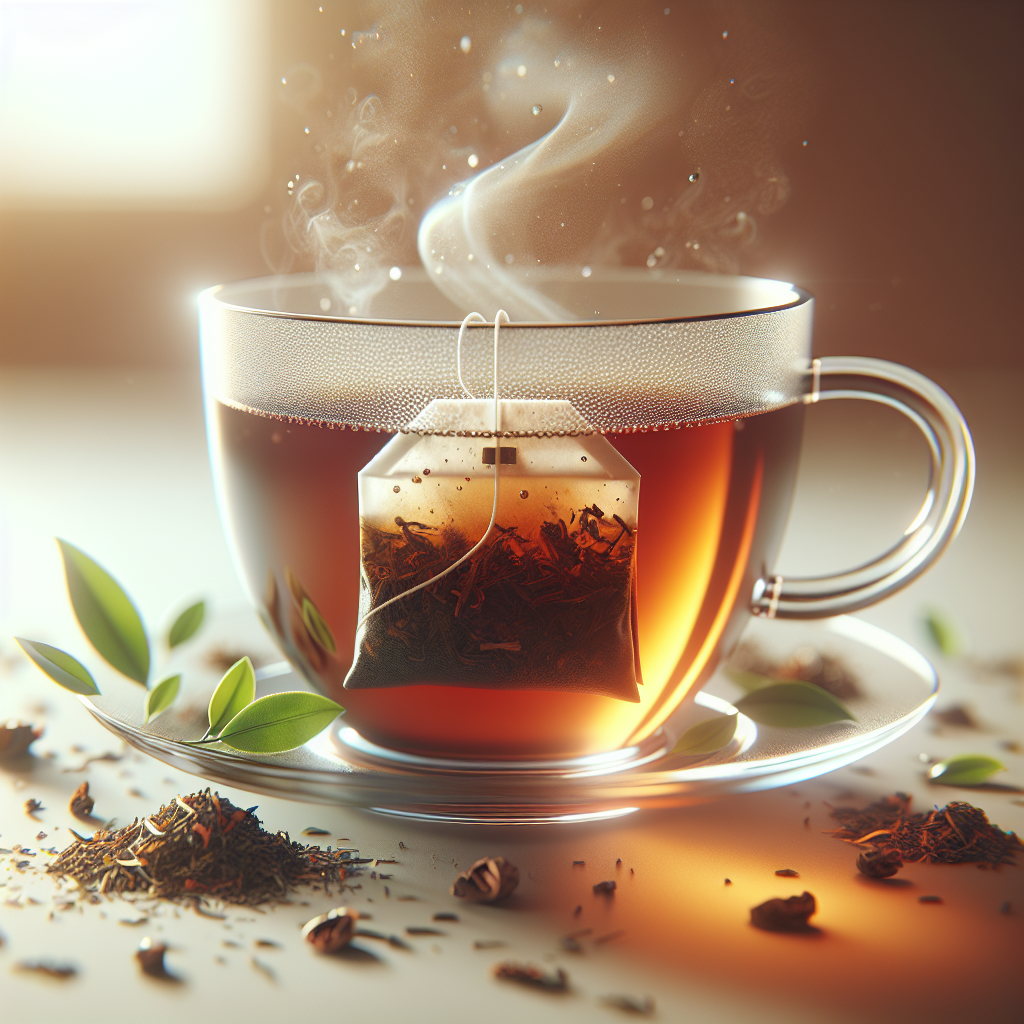
- Mindful Brewing: To keep caffeine and other chemicals from escaping too quickly use water that is not too hot around 7080C or 160180F when making tea. Tea with less caffeine should be steeped for less time.
- Do Not Add Ingredients: If you are pregnant do not drink teas that have added ingredients like fake tastes or sweets. Do not mix any flavors with your tea.
- Consult Your Healthcare Provider: Before you make any changes to how much tea you drink while you’re pregnant you should talk to your doctor. Based on your specific situation and medical background they can give you help that is tailored to you.
The Role Of Antioxidants In Tea Leaves And Pregnancy
Tea leaves are thought to be good for your health in many ways because they contain a lot of antioxidants. Free radicals are unstable molecules that can damage cells and speed up the aging process. Antioxidants help protect cells from free radical damage. The body goes through a lot of changes during pregnancy and the antioxidants in tea leaves may help even more.
The main antioxidant in tea leaves is epigallocatechin gallate EGCG which has been researched for its possible health benefits. But it is not clear if EGCG is safe for pregnant women and too much of this combination may be bad for you. Because of this pregnant women should drink tea in moderation and talk to their doctor before adding it to their diet.
Navigating Caffeine Content In Tea Leaves And Pregnancy
There is a natural stimulant called caffeine in tea leaves. It has been shown to cross the placenta while a woman is pregnant. Most of the time a modest amount of caffeine is safe but too much may be harmful to a growing baby. The amount of caffeine in tea can change based on the type of tea, how it is brewed and how much is served.
Pregnant women should limit their intake of high caffeine drinks and choose decaffeinated or low caffeine choices instead to lower their risk of getting too much caffeine. To stay within the suggested limits it is also important to watch out for other foods and drinks that contain caffeine like coffee chocolate and some medicines.
Herbal Tea Considerations For Tea Leaves And Pregnancy
Herbal drinks are often sold as natural solutions for a wide range of health problems such as the discomforts that come with pregnancy. But there isn’t a lot of evidence that herbal drinks are safe for pregnant women and some herbs may have bad effects or mix badly with medicines. Women who are pregnant should be careful when drinking plant teas and should talk to their doctor before doing so.
Some plant drinks like chamomile peppermint and raspberry leaf tea are often suggested to pregnant women because they are thought to be good for them. But it is important to find out if certain herbs are safe and to make sure you only use them in small amounts. Talking to a trained healer or health care provider can help pregnant women make smart choices about drinking herbal tea while they are pregnant.
Hydration And Tea Leaves During Pregnancy
During pregnancy it is important to stay hydrated and a lot of women find that tea helps them feel better and stay hydrated. Even though tea can help you drink more water you should be aware that it contains caffeine which can make you pee more. Particularly caffeinated teas may have a mild diuretic effect which could make you more likely to become dehydrated if you drink a lot of them.
To stay hydrated while drinking tea leaves, pregnant women should choose decaffeinated or low caffeine teas and drink a lot of water in between. Also pay attention to your body thirst cues and make sure you drink enough water throughout the day.
Digestive Health And Tea Leaves In Pregnancy
Constipation, bloating and nausea are just a few of the stomach problems that pregnancy can cause. Some women use herbal drinks to help with these problems because some herbs are thought to help the digestive system. Peppermint tea may help with bloating and ginger tea is often suggested as a way to help people who feel sick.
Though herbal drinks can help pregnant women with stomach problems feel better they should be careful and talk to their doctor before using them. It is important to make sure that herbs are safe to use before taking them because some of them may have side effects or mix badly with medicines.
Emotional Well Being And Tea Leaves During Pregnancy
Many women find comfort in a nice cup of tea leaves and pregnancy, which causes major mental and chemical changes. Making and drinking tea can be a calming and grounding practice that gives you a moment to relax amidst the stresses of pregnancy.
Herbal teas with calming ingredients like chamomile and lavender are often drunk to help people feel less stressed and anxious. But women who are pregnant should be careful when drinking plant teas and make sure they are safe to use while they are pregnant. In addition it is important to drink herbal teas in balance and not too much since some herbs can have bad effects when taken in large amounts.
Conclusion
Many pregnant women who want to make smart food choices are interested in the relationship between tea leaves and pregnancy. Tea can be drunk in small amounts while pregnant but it is important to know how much caffeine it has and how it might react with plant teas.
By talking to a doctor and drinking in moderation you can help make sure that both mom and baby are safe while still enjoying this popular drink. Women who are expecting can feel confident and at ease about this part of their diet if they know how tea leaves can affect them and follow the best ways to drink them.

Leave a Reply