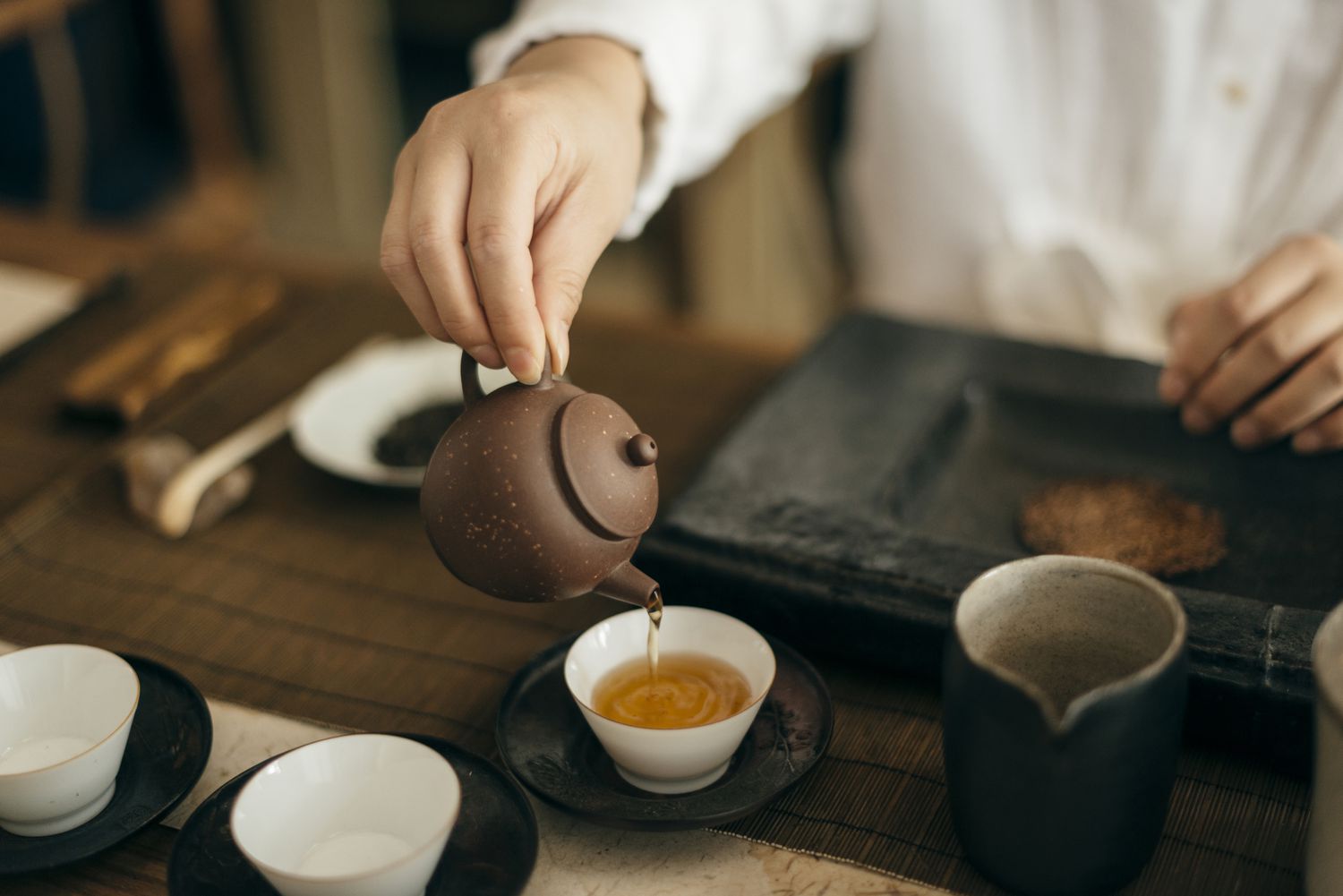
Tea is more than just a drink, it is a cultural experience with a history that goes back hundreds of years. This culture is very different in different parts of the world. Tea ceremonies in Japan are very formal while afternoon tea is more casual in England. Let’s go on a trip to learn about the evolved teaculture traditions and rituals.
The Elegance Of Japanese Tea Ceremony
Some Japanese people drink tea for spiritual reasons called the Way of Tea Chado. The Japanese tea ceremony also known as Chanoyu is a ritualized event that focuses on peace, harmony , respect and cleanliness.
The event usually takes place in a room with Tatami mats and a calm atmosphere. Matcha is a powdered tea that is served to guests by a host dressed in traditional clothes. Every move from bringing the water to a boil to whisking the tea is planned and has a purpose.
British Afternoon Tea: A Tradition Of Elegance
While the Japanese tea ceremony is a severe event, British afternoon tea is a more casual and social time. Anna the Duchess of Bedford started afternoon tea in the early 1800s. It quickly became a popular way for the British upper class to socialize. Afternoon tea is a beloved tradition in Britain and around the world today. It usually includes finger sandwiches, scones with clotted cream and jam as well as different kinds of pastries and cakes all served with a hot pot of tea.
Moroccan Mint Tea: A Blend Of Tradition And Hospitality
Tea is more than just a drink in Morocco it signifies friendship and hospitality. Arab mint tea or Atay is made with sugar water, fresh leaves and green tea. A Nwira is used to make it and the tea is poured into small glasses from above to create foam.
Moroccan mint tea is a big part of Moroccan social life. It is served all day. It is usually served with sweet pastries and nuts and the way it is made and served is very traditional. The host pours the tea in a steady stream to show how generous and skilled they are.
The Global Impact Of Tea and Culture
Tea and culture has spread around the world and now affects people’s daily lives and social norms. There is something special about tea that brings people together and makes their lives better. It could be the meditative experience of a Japanese tea ceremony, the refined elegance of a British afternoon tea or the warm hospitality of a Moroccan mint tea.
As we learn more about teaculture we find it is more than just a drink. It is a deep reflection of history, tradition and human connection. So the next time you drink tea stop and think about the many layers of history and culture that go into each sip.
The Tea Ceremony In China: A Cultural Tradition
The culture of tea in China goes back thousands of years and is a big part of the country’s history and traditions. Gongfu Cha, the Chinese name for the tea ceremony, is a very ritualized event that focuses on the art of making tea.
For Gongfu Cha small teapots and cups are used so that the tea can be steeped several times quickly to get the full flavor. Every step of the ceremony from washing the teapots to pouring the tea is done with precision and grace.
Tea houses are familiar places in China where buddies and family gather to drink tea and talk. These tea houses are more than just places to drink tea; they are cultural hubs where people meet and talk.
Tea In India: From Chai Wallahs To Masala Chai
Tea is a complete part of Indian culture and daily life. When the British brought tea to India in the 1800s it quickly became popular. India now makes more tea than any other country in the world.
To many people in India Masala Chai is the best way to drink tea. It is made with black tea milk sugar and fragrant spices like ginger cardamom cinnamon and cloves. Masala Chai is brewed in a pot and simmered to infuse the herbs and produce a rich and flavorful drink.
In India tea is more than just a drink, it is a way of life. On almost every street corner there are tea stands called Chai Wallahs that serve freshly brewed tea to both locals and tourists. Chai Wallahs sell more than just tea; they also teach people about culture and tradition.
Tea In Russia: A Tradition Of Samovars And Hospitality
People in Russia love tea. Traditional Russian tea urns called Samovars boil water and keep tea hot. They are an essential part of Russian tea culture. Most Russian tea is strong and comes with sugar, lemon or jam. It is often served with sweet pastries like Blini or Pirozhki making for a hearty and comforting meal. Tea is more than just a drink in Russia, it is a way of getting to know each other and being friendly. Russians often greet guests with a steaming cup of tea, a sign of friendship and warmth.
Tea In Turkey: A Blend Of Tradition And Flavor
In Turkey tea called ay is an integral part of everyday life and a sign of friendliness. A caydanlik is a two pot teapot usually used to make Turkish tea. Strong tea goes in the top pot and hot water goes in the bottom pot. Then hot water is added until the tea is the correct strength.
Tea is a staple at all kinds of social events in Turkey from family reunions to professional meetings. It is often served in small glasses shaped like tulips with Turkish delight or some other sweet treat on the side. In Turkish teaculture sharing a cup of tea is a sign of friendship and connection. The atmosphere is warm and friendly.
Tea In Tibet: A Spiritual And Cultural Tradition
In Tibet tea is a significant symbol of spirituality, hospitality and respect. Po Cha is Tibetan tea made from yak butter, salt boiled tea leaves and sometimes milk. Tibetans drink this hearty and nourishing drink to help them deal with the harsh weather in the Himalayas.
In Tibetan culture tea is essential and is frequently used in religious ceremonies and rituals. Po Cha is made and served in a very traditional way. Extra care is taken to ensure the tea is brewed right and served respectfully.
Tea In The Middle East: A Tradition Of Fragrant Brews
People in the Middle East love tea. Tea or Chai in Arabic is frequently made with a strong brew and aromatic spices like cardamom cinnamon and clove. It is a popular drink in the area and is usually served with sugar.
Guests assist with tea as a sign of hospitality in the Middle East where tea drinking is a social activity. People often get together in kahwa tea houses to enjoy tea and talk the night away. In the Middle East tea culture is known for being friendly and open. Tea is more than just a drink it signifies community and friendship.
Conclusion
Tea and culture is a colorful web of different rituals, traditions and customs worldwide. There are many other ways to celebrate this beloved drink worldwide from the formal Japanese tea ceremony to the hearty Indian Masala Chai. Tea is more than just a drink it signifies friendship, openness and belonging. So the next time you make a cup of tea, think about how important this simple leaf is to many cultures and their history. Thanks for the art of tea and how it has always brought people together

Leave a Reply