When it comes to enjoying a cup of tea, many enthusiasts are mindful of the caffeine content across different tea types. Particularly with a popular variety like Pure Leaf, the common query “does pure leaf tea have caffeine?” surfaces frequently. Understanding the caffeine content in your tea can help you enjoy your favorite beverage at times suitable for your personal health and energy levels.
Aside from its taste and refreshment capability, tea’s shelving life, particularly for types like matcha, also often comes into question. While exploring caffeine in Pure Leaf teas, we will similarly delve into matcha’s longevity to ensure you fully grasp how to manage your tea collection effectively.
Understanding Caffeine in Pure Leaf Teas
Before diving deeper into the subject, let’s first understand the basics of Pure Leaf’s caffeine content.
What Is Pure Leaf Tea?
Pure Leaf is a popular brand known for its range of iced and hot teas. Produced by the PepsiCo-owned company, these teas are marketed as brewed from real tea leaves, with no added artificial sweeteners or ingredients, which makes them a favored choice among health-conscious consumers.
Does Pure Leaf Tea Have Caffeine?
All traditional teas including black, green, and oolong teas naturally contain caffeine. Since Pure Leaf products are made from these tea leaves, most varieties do contain some level of caffeine. The exact amount can vary depending on the specific product and brewing method. Typically, a standard serving of Pure Leaf iced tea contains approximately 30-60 mg of caffeine, which is roughly half the caffeine content in an average cup of coffee.
Varieties and Caffeine Content
Pure Leaf offers various products, each with distinct caffeine levels:
- Unsweetened Black Tea: Approximately 57 mg of caffeine per 18.5 oz bottle.
- Sweet Tea: About 64 mg of caffeine per 18.5 oz bottle.
- Herbal Teas: Herbal varieties of Pure Leaf are usually caffeine-free as they are not made from traditional tea leaves but from herbs like hibiscus, chamomile, and mint.
Caffeine’s Impact on Health
Understanding how caffeine interacts with your body is crucial for making informed decisions about consumptions.
Benefits and Risks of Caffeine
Caffeine, a natural stimulant, is known for its ability to enhance alertness and energy levels. Moderate caffeine intake can also have positive health implications, including improved mood, brain function, and metabolic rate. However, excessive consumption can pose several health risks such as anxiety, insomnia, digestive issues, and increased heart rate.
Who Should Avoid Caffeine?
Individuals sensitive to caffeine, pregnant women, and those with certain medical conditions are typically advised to limit or avoid caffeine. An understanding of the caffeine content in your tea, like Pure Leaf, is, therefore, fundamentally essential.
Longevity and Quality of Matcha Tea
Shifting focus, let’s explore the storage and expiration specifics of a profoundly revered tea type – matcha.
Does Matcha Tea Expire?
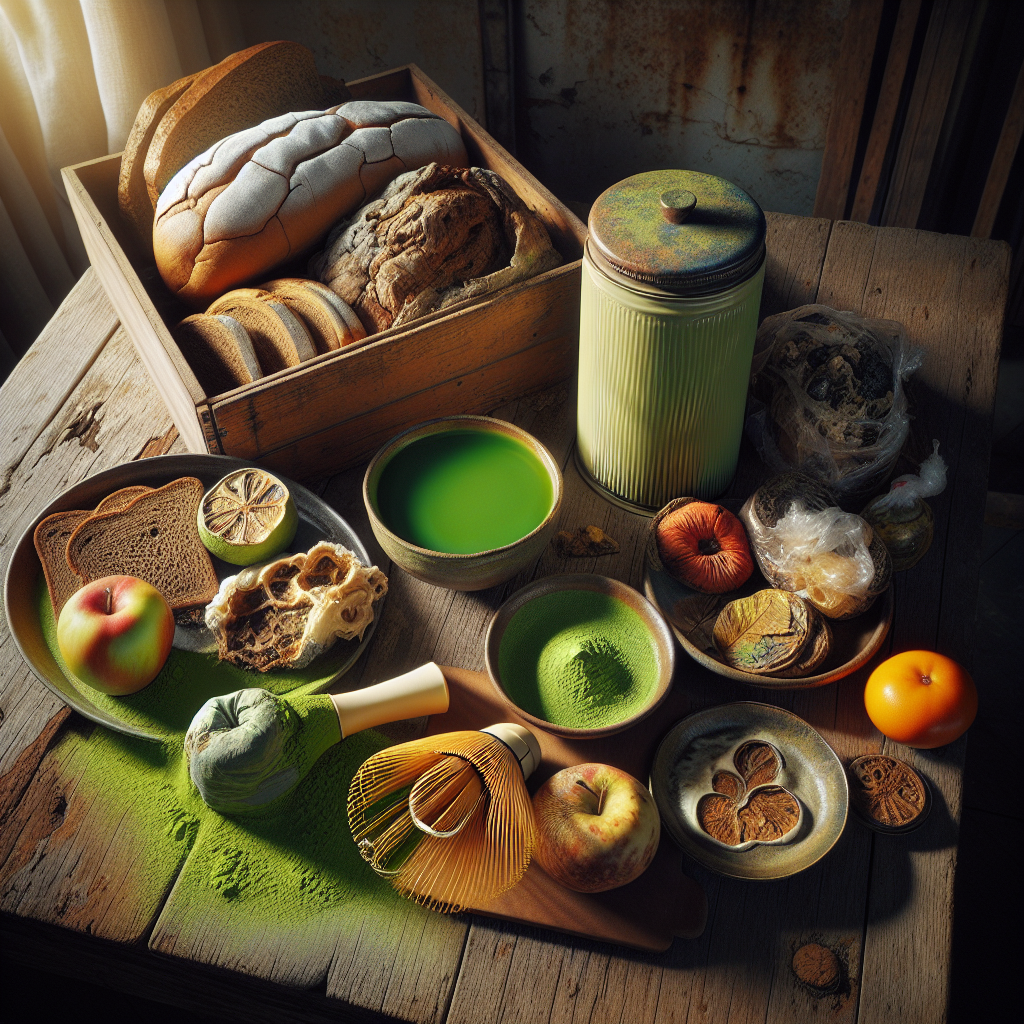
Yes, like most tea varieties, matcha does expire. Typically, matcha can last up to a year if it remains unopened and stored in a cool, dark place. Once opened, it’s best consumed within 2 to 8 months for optimum flavor and health benefits. The high-grade ceremonial matcha generally has a shorter shelf life due to its delicate nature.
Proper Storage Techniques for Matcha
To prolong its life, store matcha away from light, air, moisture, and strong odors. An airtight container in the refrigerator can effectively keep matcha fresh. Simple steps in proper storage can dramatically maintain its vibrant color and rich, grassy flavor.
Signs that Matcha Has Gone Bad
Matcha that has surpassed its prime typically loses its bright green color and takes on a dull, yellowish hue. A distinguishable change in aroma and the development of a bitter taste are also reliable indicators that the matcha is no longer suitable for consumption.
Frequently Asked Questions
How often should I drink Pure Leaf tea to manage caffeine intake effectively?
To manage caffeine intake effectively, consider consuming Pure Leaf teas in moderation, perhaps 1-2 cups per day, especially if you prefer higher caffeine varieties like black or green tea options.
Can children consume Pure Leaf tea?
Children are more sensitive to caffeine. It’s generally advisable for children to avoid caffeinated teas, including certain Pure Leaf varieties. Opt for caffeine-free herbal options instead.
What is the best time to drink Pure Leaf tea with caffeine?
Drinking caffeinated Pure Leaf tea is best in the morning or early afternoon to prevent any interference with your sleep cycle, due to caffeine’s energizing effects.
How can I tell if my Pure Leaf tea is decaffeinated?
Check the label on the packaging. Pure Leaf clearly marks decaffeinated products for governance and consumer convenience.
Does the flavor of Pure Leaf tea change with caffeine content?
The flavor of tea can vary slightly with caffeine content; however, since Pure Leaf uses authentic tea leaves, the taste difference is generally subtle and mostly influenced by specific flavoring or additives rather than just caffeine levels.
Are there any specific health benefits linked to drinking Pure Leaf caffeine-free herbal tea?
Yes, caffeine-free herbal teas often contain antioxidants, vitamins, and minerals that can help support the immune system, improve sleep quality, and reduce stress without the concern of caffeine.
Can expired matcha still be safely consumed?
While expired matcha is not typically harmful, its quality, flavor, and nutritional benefits might be significantly diminished. It’s best to consume matcha before its shelf life expires to enjoy its full health benefits.

Leave a Reply