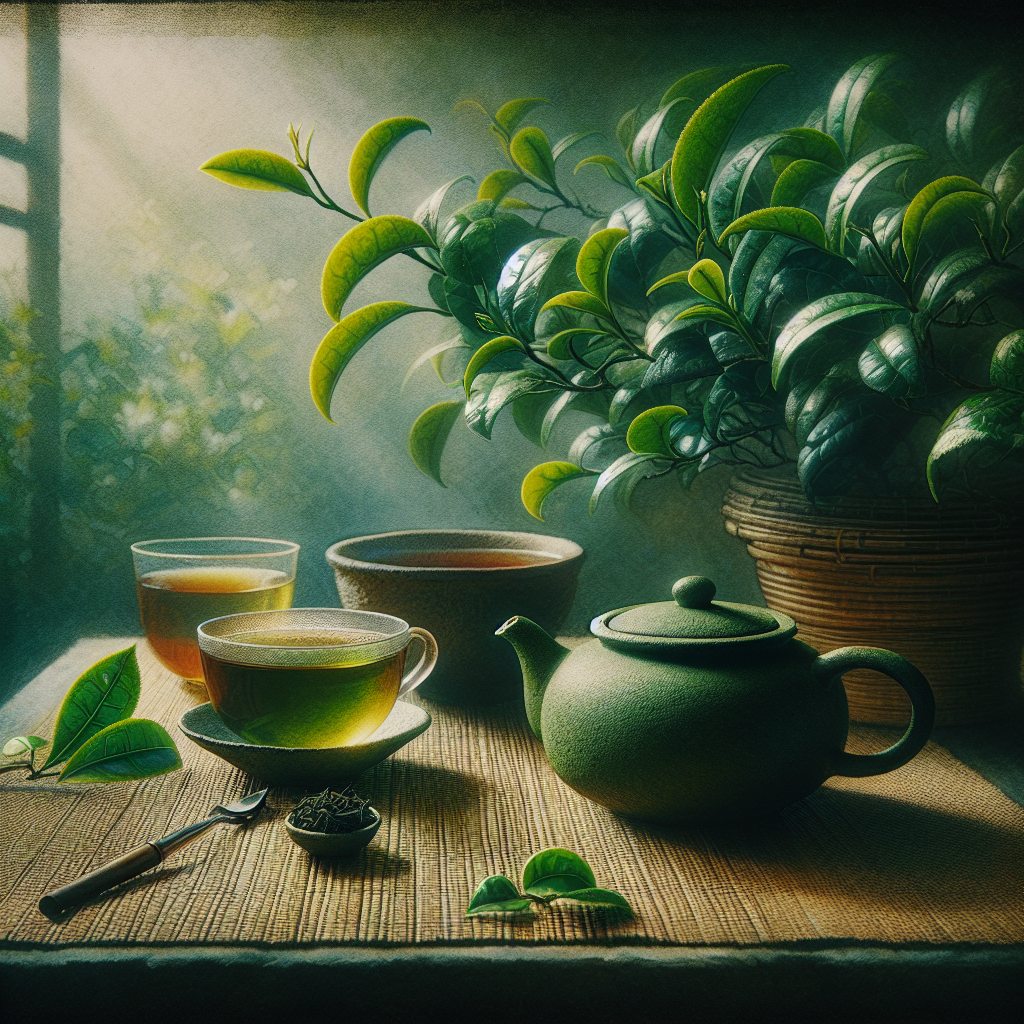
Delving into the world of tea reveals a remarkable consistency: the majority of tea varieties we drink are derived from a single plant species, Camellia sinensis. Whether it’s the robust flavors of black tea, the delicate aroma of white tea, or the soothing essence of green tea, they all begin their journey from the same leafy source. Understanding why Camellia sinensis stands as the cornerstone for all these diverse types of tea not only enriches our appreciation but also broadens our knowledge about agricultural and cultural practices surrounding tea globally.
The Preeminence of Camellia sinensis in Tea Production
The universal use of Camellia sinensis for tea production stems from its botanical and agronomic characteristics. This section explores why this particular species is preferred over other potential candidates for tea cultivation.
Versatility in Processing
Camellia sinensis is highly adaptable, making it ideal for various tea production methods. From green to black teas, each type undergoes a specific process that involves distinctive steps like oxidation or steaming. The plant’s leaves contain enzymes necessary for oxidation, which is crucial for developing distinct tea flavors.
Biological and Chemical Composition
The leaves of Camellia sinensis boast a rich composition of chemical compounds that are essential for producing the complex flavors and health benefits associated with tea. These include polyphenols, amino acids, and essential oils, which influence everything from taste to antioxidative properties.
Adaptation to Different Climates
Remarkably, Camellia sinensis thrives in a wide range of climatic conditions, from the tropical climates of Assam, India, to the cool highlands of Fujian, China. This adaptability enhances its suitability as a primary choice for farmers across different tea-growing regions of the world.
Cultivation Practices
Effective cultivation practices for Camellia sinensis have been honed over centuries, especially in China and India, where tea cultivation is deeply embedded in local agriculture. These practices ensure sustainable yield and quality, integral for maintaining the global tea industry.
Historical and Cultural Significance
Understanding the historical depth and cultural interconnections tied to Camellia sinensis can augment our appreciation of this plant. Let’s delve into how historical nuance and cultural practices have positioned Camellia sinensis as a pivotal element in tea traditions around the world.
Tea’s Origination and Historical Spread
Tea’s discovery is attributed to ancient China, with Camellia sinensis at its core. Its use quickly spread to Japan and other Asian countries before reaching the West. This historical journey has not only made tea a global beverage but also cemented the integral role of Camellia sinensis in its widespread adoption.
Cultural Practices and Rituals
In many cultures, tea is more than just a beverage; it’s a ritual that fosters community and peace. For instance, the Japanese tea ceremony emphasizes harmony and respect, with Camellia sinensis leaves playing a crucial role. Similarly, in British culture, tea time, primarily involving teas from Camellia sinensis, is a significant social event.
Health Benefits and Scientific Research
Recent scientific studies have highlighted numerous health benefits associated with teas made from Camellia sinensis. This section will cover some of the major health impacts confirmed by research.
Antioxidant Properties
Teas derived from Camellia sinensis are rich in antioxidants, which help in fighting free radicals in the body, potentially reducing the risk of chronic diseases like cancer and heart diseases.
Neuroprotective Benefits
Research indicates that components in Camellia sinensis, such as L-theanine, have neuroprotective effects, suggesting a potential to enhance brain function and alleviate mental health issues.
Frequently Asked Questions
What are the primary reasons for using Camellia sinensis in all traditional teas?
Camellia sinensis provides the necessary enzymes for tea’s flavor development through oxidation and offers an adaptable plant profile suitable for various climatic conditions, underscoring its universal use across differing tea cultures.
How does Camellia sinensis adapt to varying climatic conditions?
Camellia sinensis exhibits a robust capacity to grow in diverse climates, from the warm, moist regions of Southeast Asia to the cool, higher elevations in the Himalayas. This adaptability is key to its widespread cultivation.
Can drinking tea from Camellia sinensis boost your immune system?
Yes, the antioxidants and polyphenols in Camellia sinensis-based teas are believed to strengthen the immune system by protecting the body against oxidative stress and potentially harmful pathogens.
What cultural significance does Camellia sinensis hold in Asian countries?
In countries like China and Japan, Camellia sinensis is not just an agricultural product but a cornerstone of significant cultural ceremonies, such as the Chinese tea ceremony and Japanese Chanoyu, emphasizing social harmony and respect.
Are there environmental concerns associated with Camellia sinensis cultivation?
Like any agricultural practice, tea cultivation impacts the environment; however, sustainable farming techniques and organic certifications aim to minimize these effects, balancing productivity with ecological responsibility.
How does the processing of Camellia sinensis leaves affect the type of tea produced?
The type of tea—whether it’s green, black, or oolong—is determined by the level of oxidation the leaves undergo. This processing variation is possible due to the versatile nature of Camellia sinensis.
What future research is needed on Camellia sinensis?
Future studies should explore more about the genetic makeup of Camellia sinensis to enhance resistance to pests and diseases, and further investigate its health benefits to solidify its role in preventive healthcare.

Leave a Reply