
There is a quiet magic that unfolds when one pauses for tea time. It’s more than a drink; it’s a mindful ritual, a shared moment, a bridge between cultures and centuries. Whether taken mid-morning, late afternoon, or before rest, tea time offers a pause from the hum of the day. This article is a complete guide to making the most of every sip — through honest reviews, thoughtful selection tips, etiquette, and authentic insights from tea enthusiasts around the world.
In today’s fast-paced world, tea time remains a comforting constant. Many people turn to it not only for its soothing qualities but also as an anchor of mindfulness. Here, we’ll review different teas, explore brewing methods, recommend snacks, and uncover the evolving culture surrounding tea time. From British traditions to Japanese simplicity, every cup carries a story worth savoring.
Understanding the Essence of Tea Time
Before diving into types and traditions, it’s important to understand what tea time truly represents. At its core, it’s not just about the beverage. It’s a gesture of hospitality, connection, and well-being. The act of preparing tea slows us down — boiling, steeping, and serving become small rituals of intentional living.
The Cultural Roots of Tea Time
Tea time has deep roots in global traditions. In Britain, the phrase evokes images of fine china and scones; in China, it’s a reflection of ancient harmony between leaf, water, and soul. Japan views tea time through the lens of the chanoyu or tea ceremony, valuing subtle beauty and grace.
Each tradition shares the same foundation: respect for mindfulness and quality. Interestingly, even in urban cafés, a modern form of tea time thrives. People disconnect from screens and reconnect over steaming cups — digital detox through shared simplicity.
Tea Time Rituals Around the World
Tea rituals highlight cultural identity. In India, chai defines morning life, while Morocco’s green tea with mint stands for hospitality. Russians enjoy samovars; Turks pour strong, amber tea from tulip-shaped glasses. Each of these captures unique rhythms of life. The unifying thread? The quiet calm that comes with the shared act of brewing and sipping.
Choosing Teas for the Perfect Tea Time
Creating a memorable tea time begins with choosing the right leaves. Taste, origin, and mood all play key roles. Let’s review some of the most loved varieties, plus honest insights from tea lovers who brew daily.
Black Teas: Tradition and Strength
Black teas like Assam, Darjeeling, Ceylon, and Earl Grey dominate many traditional tea time tables. They offer robust flavors and steady energy. Reviewers often recommend pairing them with milk or cream for a smooth finish. For those craving richness, Assam provides depth; while Darjeeling — known as the “champagne of teas” — lends floral brightness.
Green Teas: Clarity and Calm
For those seeking mindfulness during tea time, green tea delivers. From Japan’s matcha to China’s longjing, each variety has its art of brewing. Green tea promotes alert calmness and complements light snacks. Experts advise using lower water temperatures to avoid bitterness, a common novice mistake.
White and Oolong Teas: Subtle Luxury
White teas are delicate — silvery leaves that whisper elegance. They shine in minimalist tea time settings. Oolong bridges black and green, offering complexity through partial oxidation. It’s a favorite for those who enjoy nuance. A well-steeped Taiwanese Oolong can turn an ordinary afternoon into an exquisite break.
Herbal and Specialty Blends
Not all tea time moments revolve around caffeine. Herbal tisane blends — chamomile, hibiscus, rooibos — create cozy comfort, especially before bedtime. Specialty blends, like lavender mint or rose vanilla, add aromatherapy-like effects. Always check ingredient quality: authentic herbs deliver more than flavor; they bring wellness benefits.
For deeper knowledge about tea production, see this reference from Tea Association of the USA. They provide insights into tea grading, sustainability, and flavor development.
Setting the Scene for Tea Time
A meaningful tea time involves more than taste — the setting matters. Creating the right atmosphere enhances relaxation and conversation. Whether you host guests or enjoy solitude, small touches make a difference.
Table Setting Ideas
Choose clean, minimalist arrangements. Use a linen cloth, fine cups, and fresh flowers. A neutral palette soothes the eyes. Lighting should be soft — natural if possible. Add candles or a gentle playlist for ambiance. Tea time thrives in spaces that feel unhurried.
Snacks and Pairings
Every memorable tea time benefits from thoughtful pairings. Sweet bites — scones, butter cookies, or shortbread — match well with strong black teas. For herbal infusions, try fruit tarts or madeleines. Savory options like cucumber sandwiches or quiches also balance the flavors.
Balanced Pairing for Every Tea Time
Balance is key. Serve less sugar when tea has floral or fruity notes. If you’re offering matcha, pair with subtle wagashi or mochi to highlight the umami. These combinations ensure each sip tells its own story without overpowering the rest.
Mindful Tips for Hosting Tea Time
- Use freshly boiled, filtered water for brewing.
- Warm the teapot before adding leaves.
- Never overcrowd with too many flavors on one table.
- Encourage silence or soft talk during the first sip — mindfulness enhances taste.
Honest Reviews: Popular Teas for Every Tea Time Mood
To guide your next purchase, here are condensed reviews collected from real enthusiasts and tea sommeliers. Each addresses flavor, aroma, and aftertaste, along with practicality for tea time occasions.
English Breakfast
A robust blend ideal for morning tea time. Known for its earthy and malt-forward tones. Reviewers love its classic reliability — a beverage that pairs naturally with food and conversation.
Earl Grey
A timeless favorite flavored with bergamot oil. Works best for afternoon tea time, especially with light pastries. Honest feedback points to its versatility: equally appealing hot or iced, with milk or lemon.
Matcha
Rich in antioxidants, matcha has become a global symbol of mindful living. Its deep green vibrancy and slight bitterness are acquired tastes. A ceremonial-grade matcha investment transforms an ordinary tea time into meditation.
Chai
Comforting, bold, and aromatic, chai is India’s contribution to the universal tea time story. Mixed with spices such as cardamom, cinnamon, and ginger, it offers warmth that transcends seasons. Many reviewers appreciate the sense of nostalgia it evokes.
Rooibos
Originating in South Africa, rooibos is the caffeine-free choice that delights at bedtime tea time. With its nutty sweetness, it’s suitable for kids and adults alike. Try adding vanilla to enhance its creamy undertone.
For further global insights into tea’s cultural resonance, visit TeaClass, a trusted educational source exploring everything from origin to sensory profiling.
Brewing Technique Mastery for Ideal Tea Time
Brewing shapes the character of your cup. A skilled brew transforms basic leaves into poetry. To achieve consistency, follow these essential brewing principles suitable for all tea time settings.
Temperature and Time
Black teas prefer boiling water; green and white teas require cooler temperatures (70–85°C). Steeping too long leads to bitterness, too short yields blandness. Precision pays off — invest in a simple thermometer or electric kettle with control settings.
Tea-to-Water Ratio
For balance, use one teaspoon of loose leaves per cup. Adjust based on tea density and taste preference. Weighted consistency matters if you aim for a refined tea time each time you brew.
Loose Leaf vs Tea Bags
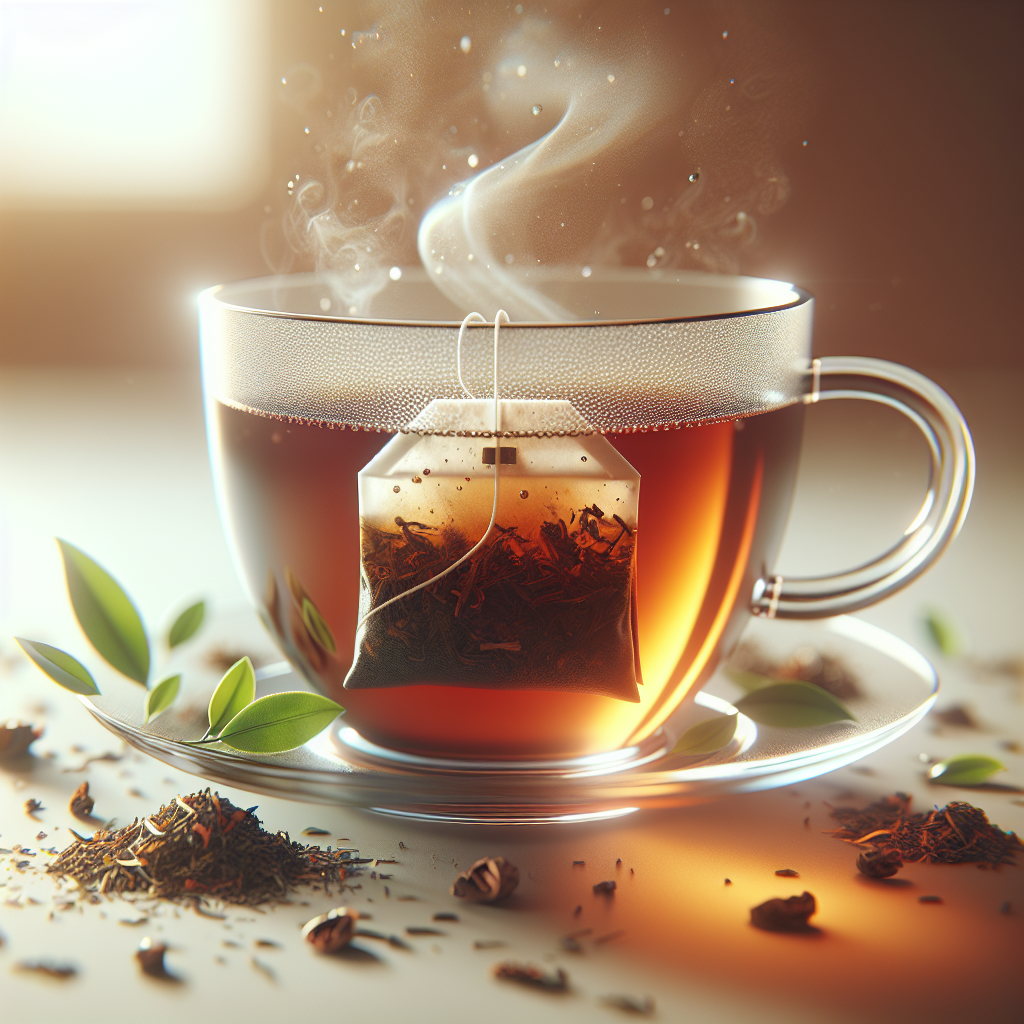
Loose leaves expand fully, allowing maximum flavor and aroma. Tea bags are convenient but may contain lower-grade cuts. For special tea time gatherings, always choose loose leaf for authenticity.
Cleaning and Care After Tea Time
Proper cleanup sustains your tools’ longevity. Rinse pots with warm water only — no soap. Allow airflow drying. Store tea leaves away from light and moisture. Clean teaware regularly to avoid flavor contamination in your next tea time.
Modern Adaptations of Tea Time
While traditional methods remain admired, tea time has evolved. Today’s enthusiasts experiment with cold brews, bubble teas, and infused mocktails. Wellness buffs mix tea into smoothies, using matcha, hojicha, or jasmine green as functional bases. Exploring these innovations brings freshness to a centuries-old tradition.
Digital and Café Culture Influence
Modern cafés market “tea experiences,” merging décor, aroma, and slow service to recreate serenity in city life. Social media further celebrates this ritual, inspiring newcomers to rediscover tea time through aesthetically curated settings and travel content.
For example, teahouses in Tokyo now livestream minimalist tea sessions, teaching viewers patience and focus. Meanwhile, boutique teashops in London merge artisan design with digital content, proving that even in a connected age, serenity remains relevant.
Emotional and Health Benefits of Regular Tea Time
The health sciences increasingly endorse what tradition has long known — daily tea time promotes relaxation, productivity, and mental balance. Certain compounds like L-theanine and catechins stabilize mood and sharpen attention. Even scheduling tea time encourages routine self-care.
Physical Wellness
Green tea supports metabolism and antioxidants; black tea contributes to heart health. Herbal variants assist digestion and immunity. A dedicated tea time ritual gently anchors those habits without strain or artificial intensity.
Emotional and Social Wellness
Sharing tea time cultivates empathy and attentiveness. A host pouring tea listens more carefully than they speak. In families, it becomes tradition; among friends, it solidifies connection. This balance of calm and community explains tea time’s enduring power.
Reflective Practices and The Future of Tea Time
The modern tea movement aligns with sustainability. Ethical sourcing ensures farmers are paid fairly, and buyers receive freshness. Reusable packaging and glassware encourage eco-friendly tea time experiences. Environmental awareness transforms a personal delight into a collective responsibility.
Those exploring the relationship between tea and culture should read this historical overview on teastory.blog. For hands-on recipes, explore the detailed Tea Recipe section that inspires creative serving ideas.
Building Your Personal Tea Time Routine
Routines create continuity. To personalize your tea time, align it with your natural rhythm. Morning tea may fuel creativity; evening tea may calm the nerves. Create rituals around chosen moments — same cup, soundtrack, or companion — to reinforce the pleasure.
Examples of Daily Tea Time Patterns
- The Morning Energizer: One strong cup of Assam before work.
- The Noon Recharge: Green tea with mint during mid-day break.
- The Evening Reflection: Herbal infusion before winding down.
Visual and Sensory Cues
Associate tea time with sensory comfort — your favorite chair, texture of porcelain, scent of freshly boiled water. Over time, these cues signal restoration and mindfulness instantly. Tea time consistency transforms ordinary days into reflective experiences.
Frequently Asked Questions
Why has tea time remained popular across generations?
Tea time persists because it balances tradition with adaptability. It provides both physiological comfort and social grounding. Each generation personalizes it: grandmothers may use porcelain sets, while younger individuals embrace takeaway infusions. Regardless of form, the purpose stays unchanged — calm, connection, and conversation. Its simplicity ensures it survives trend cycles, making it a universally cherished pause amid life’s rush.
How can I make my daily tea time more mindful?
Focus attention on every sensory detail. Listen to the kettle, smell the leaves, and taste intentionally. Avoid screens and conversation for the first few minutes. Use the rhythm of preparation as meditation — a way to return to yourself. Many note that when tea time becomes a mindful ritual, stress lowers and gratitude deepens naturally, infusing daily life with quiet order.
What teas are best for an afternoon tea time break?
Afternoon tea time pairs beautifully with balanced blends like Earl Grey, Darjeeling, or light oolong. Their flavors bridge midday fatigue and evening calm. Serve with pastries or fresh fruit. The aim is subtle invigoration, not stimulation. These teas sustain focus while promoting serene moods — an essential combination for busy individuals seeking deliberate pauses in productivity routines.
Are there caffeine-free options suitable for evening tea time?
Yes, caffeine-free choices like rooibos, chamomile, and peppermint excel for evening tea time. They prevent sleep disruption while offering mild aroma therapy benefits. Many prefer blends including lavender for added relaxation. When taken consistently before bed, these teas signal restfulness and improve nighttime routines. Choosing high-quality loose herbs ensures potency and satisfying flavor without additives or artificial sweetness.
What snacks work best for traditional British tea time?
Classic British tea time calls for light sweet and savory pairings: finger sandwiches, scones with clotted cream, and sponge cakes. Each bite complements tannic black teas. Keep portions delicate rather than heavy. Presentation matters — neatly arranged trays invite conversation and reflect hospitality ethics embedded in this centuries-old custom. Effortless elegance defines the charm of British-inspired gatherings.
Can tea time contribute to mental wellness?
Absolutely. Regular tea time cultivates calm, reinforces discipline, and nurtures social bonding. Physiologically, compounds like theanine support relaxation; psychologically, routines confer stability. Many therapists recommend introducing a structured tea time in anxiety management programs because repetitive, sensory routines promote mindfulness and emotional regulation. Sharing this ritual amplifies connection — one of mental health’s strongest protective factors.
How can one start a virtual tea time community online?
Start small with weekly meetups via video call. Encourage participants to prepare their chosen brew, turning digital distance into shared ritual. Discuss aromas, recipes, and reflections. Build momentum by aligning themes — such as matcha day or herbal discovery week. Over time, this simple concept builds authentic friendships driven by shared appreciation for tea time. Digital companionship can sustain cultural unity beautifully.
Is investing in artisan teaware worthwhile for enhancing tea time?
Yes. Quality teaware refines the sensory experience. Porcelain retains heat evenly; glass reveals color clarity. Investing in craftsmanship uplifts daily rituals into intentional living. Long-term, these pieces foster personal history and storytelling: every crack, every patina reflecting memories of countless gatherings. A well-selected teapot or cup turns routine tea time into legacy, reinforcing elegance through tactile continuity.



Leave a Reply