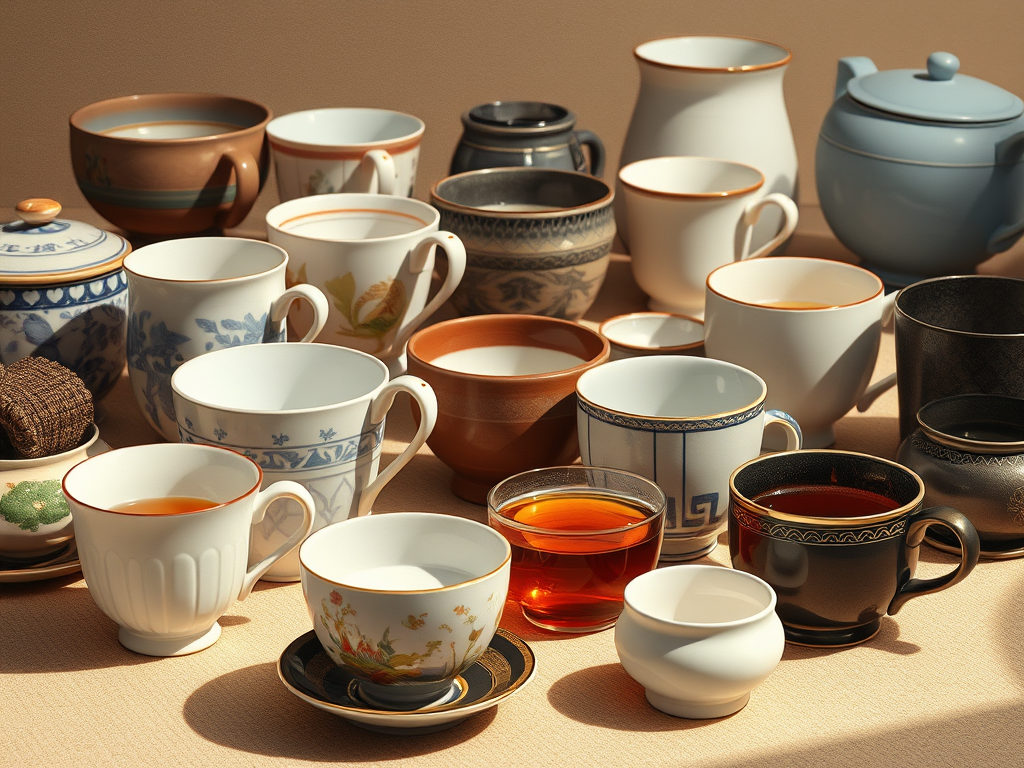
Have you ever wrapped your hands around a warm, comforting tea cup and wondered about its story? You likely have that favorite cup, the one that completes your morning routine or offers solace in a quiet moment. Tea cups are more than just containers; they are a blend of art, history, and personal connection. From ancient Chinese porcelain to modern-day designs, tea cups have evolved in fascinating ways, influenced by cultures and innovations worldwide.
Curious about how these vessels found their way into our daily lives, or how to choose the perfect one for your tea-drinking rituals? Let’s embark on a journey to discover the beauty and function behind the elegant tea cup, exploring everything from historical origins to the latest trends. Whether you’re a casual tea drinker or a passionate collector, there’s something to inspire and inform your appreciation of this delightful everyday object.
History and Evolution of Tea Cups
Tea cups have a rich history that ranges from simple earthenware to elegant porcelain masterpieces. Let’s dive into their origins and see how they evolved.
Origins of the Tea Cup: Early Materials and Designs
Early tea cups were more like bowls. In ancient China, people sipped tea from handleless, ceramic bowls. These simple designs were practical and easy to produce. The Ming Dynasty (1368-1644) changed the game, introducing delicate porcelain cups with artistic flair.
Cultural Impact: Tea Ceremony and Social Practices
Tea cups are central to many cultural practices. In Japan, the tea ceremony uses “chawan” bowls, focusing on tranquility and respect. In Britain, tea cups became part of afternoon tea, a symbol of elegance and social status.
Technological Advancements: From Handmade to Machine-Made
The Industrial Revolution changed how we make tea cups. Early cups were painstakingly crafted by hand. Machines now produce cups quickly and consistently. This shift allowed for widespread availability and more uniform designs.
Design Evolution: Aesthetic Changes Over the Centuries
Tea cup designs shift with fashion trends. In the 18th century, ornate patterns and gold trims were popular. Today, you find sleek, minimalist designs that fit modern tastes. It’s all about personal preference and style.
Notable Historical Tea Cups and Their Stories
Some tea cups have fascinating stories. For example, the Meissen porcelain cups were Europe’s first successful imitation of Chinese porcelain. They marked a major breakthrough in ceramics (source: EricBryans.com). Collectors covet these for their beauty and historical significance.
Understanding the journey of tea cups enhances your appreciation for this common, yet special, item. Whether it’s part of a daily ritual or a piece of history, there’s more than meets the eye with every sip.
Materials Used in Tea Cup Production
Choosing the right material for a tea cup can change your whole tea-drinking experience. Let’s look at some popular options and their benefits.
Ceramic and Porcelain: Traditional Choices
Ceramic and porcelain are classics in the tea world. They’re known for retaining heat well. Porcelain, in particular, is often thinner and more elegant. This makes it perfect for delicate teas like green or white. However, they can be fragile, so handle with care.
Glass and Crystal: Modern Appeal and Transparency
Glass tea cups let you enjoy the visual beauty of your tea. They’re perfect for blooming teas or those with rich colors. These cups can be either tempered or borosilicate glass. The latter is more heat-resistant, making it safer for hot drinks. Plus, they’re easy to clean and add a modern touch to any tea setting.
Metallic Variants: Stainless Steel, Silver, and More
Metal tea cups are incredibly durable. Stainless steel is rust-resistant and keeps your tea hot for longer. Some prefer silver cups for their elegance and antibacterial properties. However, metal can alter the tea’s taste, so it’s not ideal for all types of tea. It’s best for strong, robust teas where flavor changes aren’t noticeable.
Bamboo and Wood: Eco-Friendly Options
Bamboo and wooden tea cups are sustainable and offer a natural aesthetic. They don’t conduct heat, so they’re easy to hold. However, they may absorb flavors over time. They’re excellent for herbal teas or any tea where you want a seamless, earthy experience.
Specialty Materials: Heat-Resistant and Novel Innovations
Specialty materials like silicone or thermal ceramics offer unique benefits. Silicone cups are flexible and often foldable, great for travel. Thermal ceramics can keep your tea hot without burning your hands. These innovative options cater to modern needs, combining convenience with functionality.
When choosing a tea cup, consider your lifestyle and the type of tea you drink most. The right material can enhance both aroma and taste, making every sip more enjoyable.
Tea Cup Design and Aesthetics
Tea cups are not just for drinking tea. They’re like tiny works of art. Let’s dive into how their design affects both function and beauty.
Traditional vs. Modern Designs: A Comparative Analysis
Traditional tea cups often have intricate patterns and gold trims. Think of those fancy Victorian styles. They add elegance to formal tea settings. On the other hand, modern designs are sleek and minimal. Picture simple shapes and solid colors. These cups blend well in contemporary kitchens. It’s your choice: ornate or understated.
Decorative Techniques: Glazes, Patterns, and Textures
Decorative techniques can turn a simple cup into a masterpiece. Glazes add a shiny finish or vibrant color. Patterns range from delicate florals to bold, abstract art. Textures like ribbed or matte surfaces provide a tactile element. Each choice changes the cup’s appeal, making it unique and personal.
Ergonomics and Usability: How Design Affects Drinking Experience
Ever notice how some cups feel better to hold? That’s ergonomics at work. A well-designed handle is comfortable and keeps your fingers cool. The cup’s weight and balance also matter. It should feel just right in your hand, not too heavy, not too light. Ergonomic designs make every sip a pleasure.
Color and Symbolism in Tea Cups
Colors can influence your mood and tea experience. Blue is calming, while red feels energizing. Often, colors are symbolic. In some cultures, a white cup signals purity and simplicity. Think about what vibe you want. It might enhance how you enjoy your tea.
Influence of Art Movements on Tea Cup Designs
Art movements inspire tea cup designs in surprising ways. Art Nouveau brought organic lines and floral motifs. Bauhaus favored geometric shapes and simplicity. Knowing this adds depth to your choice. It’s like holding a piece of art history with every cup of tea.
In short, choosing a tea cup involves more than just looks. Consider traditional vs. modern styles, decorative options, ergonomics, color meanings, and influences from art. Each factor shapes your tea-drinking journey in a unique way.
The Role of Tea Cups in Tea Cultures Around the World
Tea cups are more than just drinking vessels. They carry culture and tradition. Let’s explore how they fit into various tea customs globally.
Eastern Tea Ceremonies: Japan, China, Korea
In Japan, tea ceremonies are an art form. They use “chawan” bowls, which highlight simplicity and grace. Each bowl is carefully chosen to match the season or occasion. Chinese tea ceremonies often use small, handleless cups. These allow intimate appreciation of the tea’s aroma and flavor. Korean ceremonies feature smaller cups to focus on shared experience rather than individual servings.
British Afternoon Tea: Customs and Cultural Significance
Afternoon tea is a British tradition loaded with etiquette. Delicate porcelain cups are essential here. These cups often come with matching saucers and are part of an elaborate set. The ritual includes not just tea but also sandwiches and pastries. It’s a time to relax and socialize, elevating tea drinking to a social event.
Middle Eastern and North African Tea Practices
In Morocco, tea is served in small, ornate glasses. Mint tea is poured from high above to create bubbles. This aerates the tea, enhancing its flavor. The glasses are often colorful, adding visual beauty to the ritual. In Turkey, “çay” is served in tulip-shaped glasses, often with one or two sugar cubes, allowing customization of sweetness.
Indian Chai Tradition and Its Impact
Chai in India is more than a drink; it’s a cultural staple. Served in small clay cups known as “kulhads,” chai combines tea with spices like cardamom and ginger. These eco-friendly cups add an earthy aroma to the brew. They’re often used in trains or at street-side stalls, making chai accessible to everyone.
Unique Cultural Practices: Russia, Argentina, Morocco
Russia’s tea tradition involves samovars, where tea is served in simple, sturdy glasses. In Argentina, they use “mates” instead of traditional cups for yerba mate tea. This hollowed-out gourd is both a vessel and a symbol of friendship. Moroccan tea, as mentioned, involves elaborate pouring from metal teapots into small glasses, creating a sensory spectacle. Each part of the world offers a unique blend of history and custom, adding depth to your tea-drinking journey.
Tea cups are central to these rich traditions, turning an ordinary drink into a meaningful ritual. So, next time you sip your tea, consider the story behind your cup.
Personalizing Your Tea Cup Collection

Building a tea cup collection? Let’s make it all about you. Start by figuring out your style and what you need from your cups. Here’s how to create a collection that fits your vibe and practical needs.
Identifying Your Style: Classic, Modern, Eclectic
First, decide on a style. Do you love the elegance of classic designs with floral patterns and gold rims? These are perfect for a sophisticated feel. Or maybe modern, minimalist tea cups in solid colors speak to you. They’re great for a contemporary kitchen. If you like a mix, go eclectic! Eclectic styles allow you to combine different eras and designs. This way, you get a unique look that’s all your own.
Choosing Based on Use: Everyday vs. Special Occasions
Think about when you’ll use each cup. For daily coffee or tea needs, go for durable materials like ceramic or stainless steel. They’re easy to clean and can handle daily wear. For special occasions, pick porcelain or bone china. These offer a touch of elegance for dinner parties or celebrations.
Caring for Your Collection: Maintenance and Display Tips
Caring for your tea cups keeps them looking new. Wash them gently with warm, soapy water, especially delicate materials like porcelain. Use soft cloths to dry them to avoid scratches. Display them in a sunny spot if you have glass doors, like a cabinet or shelf. This keeps them both safe and visible without getting dusty.
Mixing and Matching Sets for Aesthetic Appeal
Mixing and matching can create a charming display. Match bold-colored cups with subtle-patterned saucers. Or, combine different shapes for an eye-catching arrangement. Keep some coordination—like similar color tones—to avoid clashing.
Incorporating Tea Histories into Your Collection
Add depth by including pieces with historical significance. Look for designs inspired by traditional Japanese or Chinese tea ceremonies. Each has unique styles that can enrich your collection with cultural stories, making your tea moments even more special.
By choosing styles you love, considering practical needs, and caring for each piece, your tea cup collection becomes more than just cups. It becomes a personal art gallery and a conversation starter for your tea parties!
The Future of Tea Cups: Trends and Innovations
Ever thought your tea cup could be eco-friendly or smart? Let’s dive into the future of tea cups and discover what’s brewing.
Sustainability in Tea Cup Design and Production

Eco-friendly cups are gaining traction. Imagine sipping from a cup made of biodegradable materials. Bamboo and recycled ceramics are popular choices. They minimize environmental impact while maintaining style. You can help save the Earth, one cup at a time.
Technological Integration: Smart Features and Tech-Infused Cups
Meet the future: tech-infused tea cups. Some cups can now connect with your smartphone. They can monitor your tea’s temperature and even suggest optimal brewing times. The Ember Mug is a real-life example. It keeps your drink at the perfect warmth, making every sip an indulgence.
Innovative Designs: Conceptual and Avant-Garde Approaches
Get ready for avant-garde tea cups. Designers are pushing boundaries with 3D-printed shapes and unique materials. Some cups look like futuristic art pieces. They’re not just functional; they’re conversation starters. You can express your personality through these bold and creative designs.
Personalization and Customization: Trends in Consumer Preferences
Why settle for ordinary when you can have personalized cups? Customization is a big trend. You can choose patterns, colors, or even your name on the cup. Companies like Zazzle offer such options. Personalized cups make meaningful gifts or collectibles, perfect for showing off your unique style.
Impact of Globalization on Tea Cup Designs
Globalization brings a mix of cultural influences. Designs borrow elements from Japanese, Chinese, and European traditions. This blend results in diverse yet authentic styles. For instance, Nordic simplicity meets Eastern minimalism, creating new aesthetics that appeal to varied tastes.
Tea cups are evolving rapidly, guided by sustainability, technology, and personal expression. Whether you’re an eco-warrior, tech lover, or design enthusiast, there’s an innovative tea cup waiting just for you. So next time you sip your tea, take a moment to appreciate the cup that holds it.
Tea Cups in Pop Culture and Media
Tea cups aren’t just for tea. They’re icons in pop culture, with meanings beyond their practical use. Let’s see how they pop up in literature, films, and more.
Tea Cups as Symbols in Literature and Film

In literature, tea cups often symbolize peace or a deep conversation. Consider the Mad Hatter’s tea party in “Alice in Wonderland.” Here, the tea cup is central to the chaotic and whimsical setting. It’s more than a drink; it’s part of a surreal world. Films, too, use tea cups to signify everything from comfort to class. Think of Downton Abbey, where tea cups are essential to the show’s portrayal of British aristocracy.
Prominent Tea Cup References in Art
Artists love tea cups! They often appear in still-life paintings, symbolizing both elegance and everyday life. Vincent van Gogh painted tea cups to show his fascination with simple, yet beautiful, objects. Contemporary artists might use tea cups to explore themes of home and identity.
Tea Cups in Digital Media: Memes and Viral Trends
Tea cups are meme stars. The Kermit the Frog meme—sipping tea while delivering a sassy comment—is a classic. This meme uses the tea cup as a casual symbol to imply, “None of my business.” Online trends see tea cups as metaphors for gossip or dishing out opinions.
Influence of Celebrity Endorsements on Tea Cup Fads
When celebrities are spotted with fancy tea cups, sales often spike. Oprah’s favorite tea sets can become bestsellers overnight. The same happens when influencers showcase their curated tea collections on social media, sparking new fads and must-haves.
Iconic Tea Cups in Historical and Modern Media
Certain tea cups gain fame all on their own. In period dramas, specific styles show historical accuracy, like bone china cups in Victorian settings. In modern shows, sleek, contemporary designs reflect today’s aesthetics. Each choice enhances storytelling through visual style and cultural context.
Tea cups in media and pop culture are more than props. They carry rich layers of meaning, representing everything from cultural rituals to personal expression. Next time you see one on screen, think about what it adds to the scene.
Let’s wrap things up with a sip of knowledge that transcends just drinking tea. From the captivating history and evolution of tea cups, influenced by cultural nuances and technological leaps, to the enchanting materials and designs that cradle this beloved beverage, tea cups are fascinating. We’ve traversed the globe to understand their roles in various tea ceremonies, from Japan to Morocco, amplifying their cultural significance.
To personalize your tea experience, embrace the artful journey of collecting, keeping sustainability and future innovations in mind. Whether it’s exploring smart features or fusing different art styles, there’s a tea cup out there waiting to reflect your unique personality.
Now, here’s your next step: start by choosing a cup that resonates with your style and enhances your tea rituals. Perhaps explore a new material or design that you’ve been curious about. Let every sip be a celebration of culture, design, and personal expression. Tea cups are more than vessels; they are your daily reminder of peace and elegance. What’s your next favorite tea cup adventure? 🍵
Frequently Asked Questions
Can you use any material for a tea cup, or are some better than others?
While any material can technically be used for a tea cup, the choice can significantly affect your tea-drinking experience. Traditional materials like porcelain or ceramic are excellent for retaining heat and showcasing delicate flavors. Glass allows you to appreciate the tea’s color, and metal options like stainless steel offer durability. Always consider the type of tea and your personal taste preferences when choosing a material.
How do you properly care for and maintain different types of tea cups?
Proper care depends on the material. Ceramic and porcelain cups can be hand-washed with mild soap and warm water. Avoid using abrasive scrubbers that could scratch the surface. Glass cups are usually dishwasher safe but can be hand-washed to preserve clarity. For metal cups, avoid corrosive cleaners and dry them immediately to prevent rust. Wooden cups simply require wiping with a damp cloth to preserve the natural finish.
Do tea cups differ internationally, and if so, why?
Yes, tea cups vary widely across cultures due to different ceremonial practices and preferences. For example, Japanese tea ceremonies use handleless bowls called chawan, while British afternoon tea is traditionally served in delicate porcelain cups with saucers. These differences reflect cultural values, rituals, and even the types of tea commonly consumed in each region.
What makes a tea cup ergonomic?
Ergonomic tea cups are designed for comfortable handling and balance. They feature well-sized handles that prevent burns or discomfort during use. The cup’s weight and shape should feel stable and easy to manage, enhancing your sipping experience without straining your hand.
Are there eco-friendly options when it comes to tea cup materials?
Yes, eco-friendly materials like bamboo and recycled glass are becoming popular. Bamboo offers a natural look and excellent insulation, while recycled glass reduces waste and is easily available for many designs. These options cater to environmentally conscious consumers looking to reduce their carbon footprint.
How has technology changed modern tea cup designs?
Technology has led to innovations like smart tea cups, which can monitor temperature and keep liquids at the perfect sipping warmth. Materials like thermal ceramics provide added functionality, offering features that enhance convenience without sacrificing style. These advancements make tea drinking a more interactive and tailored experience.
What’s the best way to start a personalized tea cup collection?
Begin by identifying your personal style—traditional, modern, or eclectic. Consider how you plan to use each cup (everyday use versus special occasions) and look for unique pieces that reflect your taste. Mix different designs and periods for variety, but maintain some consistency in themes or colors to create a coherent collection.

Leave a Reply