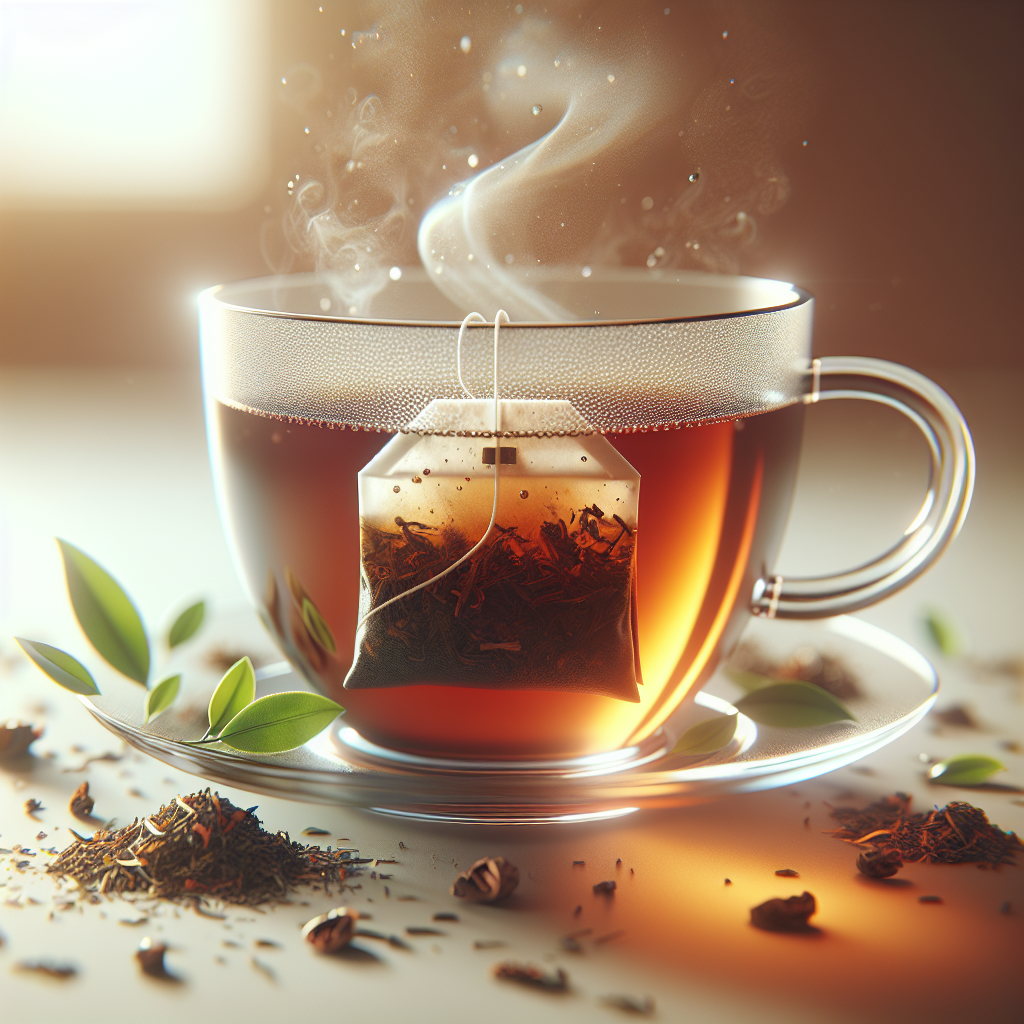
The phrase “a spot of tea” is a charming and quintessentially British expression that refers to a small serving or cup of tea. The term “spot” in this context is used informally to indicate a small or modest amount of something, often emphasizing the casual and comforting nature of the tea break rather than the quantity of tea itself. Let’s delve into the rich tradition and cultural significance behind this phrase and explore why it holds a special place in British culture.
The Origins of “A Spot of Tea”
The exact origins of the phrase “a spot of tea” are not entirely clear, but it is believed to have emerged from the long-standing tradition of tea-drinking in England. Tea has been a popular beverage in England for centuries, becoming deeply ingrained in the social fabric of the country. The phrase likely evolved from the practice of adding a small amount of milk, or a “spot” of milk, to one’s tea. Over time, “a spot of tea” has come to represent not just the beverage itself but also the informal, comforting break associated with it.
Understanding the Term “Spot”
In British English, the word “spot” is often used to indicate a small or brief amount of something. For example, one might say “a spot of rain” to describe a light, brief shower, or “a spot of bother” to refer to a minor problem. Similarly, “a spot of tea” emphasizes the casual and modest nature of the tea break, suggesting a small, informal pause rather than a grand event.
The use of “spot” in this context is similar to the British use of “pop” to describe a brief or informal action. For instance, “just popping down to the shops” means a quick trip to pick up a few items, as opposed to a lengthy shopping excursion. Both expressions capture the essence of brevity and informality, highlighting the understated charm of British culture.
The Cultural Significance of Tea in Britain
Tea-drinking is a deeply entrenched tradition in Britain, with a history that dates back to the 17th century. The arrival of tea in England is attributed to the Portuguese and Dutch traders who introduced the beverage to Europe. It quickly gained popularity, particularly among the upper classes, and eventually became a staple in British society.
Tea has since evolved into more than just a beverage; it is a cultural institution. The British have developed a unique tea culture with its own customs and terminology, including the famous “afternoon tea” and “high tea.” These rituals involve not just the consumption of tea but also a variety of accompanying foods, such as sandwiches, scones, and pastries.
The Comfort of a Tea Break

The phrase “a spot of tea” evokes the comforting and relaxing nature of a tea break. In the hustle and bustle of daily life, a small pause to enjoy a cup of tea offers a moment of tranquility and refreshment. This brief respite can be a simple pleasure, a chance to unwind and gather one’s thoughts.
The informal nature of “a spot of tea” means it can be enjoyed anywhere and at any time, whether at home, at work, or with friends. It doesn’t require the formality of a full afternoon tea service; instead, it is a spontaneous and accessible way to enjoy a break.
The Social Aspect of Tea-Drinking
Tea has long been associated with social interaction in Britain. Inviting someone for “a spot of tea” is a gesture of hospitality and friendliness. It provides an opportunity to catch up, share stories, and enjoy each other’s company in a relaxed setting.
This social aspect of tea-drinking is reflected in various British customs. For example, “elevenses” is a mid-morning tea break accompanied by a light snack, often enjoyed in the company of colleagues or friends. Similarly, “tea time” in the late afternoon is a beloved tradition where families and friends gather to share a pot of tea and conversation.
The Modern Adaptation of “A Spot of Tea”
While the phrase “a spot of tea” has its roots in traditional British culture, it has also adapted to modern times. Today, it can refer to a wide range of tea-drinking experiences, from a simple cup of tea at home to a trendy tea lounge in the city. The core idea remains the same: a small, comforting break involving a cup of tea.
In recent years, the global popularity of tea has introduced new variations and flavors, from herbal and fruit teas to exotic blends like matcha and chai. Despite these innovations, the essence of “a spot of tea” remains unchanged—a moment of relaxation and enjoyment.
The Health Benefits of Tea

In addition to its cultural significance, tea is also known for its numerous health benefits. Different types of tea offer various health advantages, making it not only a comforting beverage but also a beneficial one.

- Green Tea: Rich in antioxidants, green tea is known for its ability to boost metabolism, improve brain function, and reduce the risk of certain diseases.
- Black Tea: Containing theaflavins and thearubigins, black tea helps improve heart health, lower cholesterol levels, and enhance gut health.
- Herbal Tea: Herbal teas, such as chamomile and peppermint, offer calming effects, aid digestion, and promote better sleep.
- Oolong Tea: This semi-fermented tea combines the benefits of both green and black tea, aiding in weight loss and improving skin health.
These health benefits add another layer of appeal to the practice of enjoying “a spot of tea,” making it a healthy habit to incorporate into daily life.
Famous Tea-Related Phrases and Idioms

The phrase “a spot of tea” is just one of many tea-related expressions in the English language. Here are a few more idioms and phrases that reflect the cultural importance of tea:
- “Not My Cup of Tea”: This phrase means something is not to one’s liking or preference. For example, “Skydiving is not my cup of tea.”
- “Tea and Sympathy”: Offering comfort and support, often in the form of a listening ear and a cup of tea.
- “Tempest in a Teapot”: A small or insignificant matter that is blown out of proportion. Similar to “storm in a teacup.”
- “Everything Stops for Tea”: Reflects the importance of taking a break for tea, suggesting that daily activities pause for this cherished ritual.
Conclusion: Embracing the Tradition of “A Spot of Tea”
The expression “a spot of tea” embodies the essence of British tea culture—informal, comforting, and deeply rooted in tradition. Whether it’s a brief pause in a busy day or a moment of social connection, enjoying a small serving of tea offers a unique blend of relaxation and refreshment.
In our fast-paced modern world, the simplicity and charm of “a spot of tea” serve as a reminder to slow down and appreciate the little pleasures in life. So next time you feel the need for a break, why not make yourself a cup of tea and experience the timeless tradition of “a spot of tea”?
FAQ’s on Spot of Tea
What does a spot of tea mean?
A “spot of tea” is a British phrase that simply means a small amount or serving of tea. It’s a casual way to refer to having a cup of tea, often used to suggest a break or moment of relaxation. While widely associated with British culture, the phrase has gained popularity globally through media, often symbolizing hospitality or comfort.
What is a tea spot?
A “tea spot” can have multiple meanings depending on the context. In one sense, it refers to a favorite place to enjoy tea—like a cozy café or personal nook. In another, it can denote the precise time someone enjoys their daily tea ritual. In tea brewing, it may also relate to a technique or point in preparation, but it’s less commonly used in that way conversationally.
Why is a spot of tea called a rumor?
The phrase “a spot of tea” itself is not originally connected to rumors. However, over time in slang, “tea” has come to mean gossip or inside information. This evolution in meaning—particularly in modern pop culture—may cause confusion. The connection between tea and rumors is more about modern slang usage than the original phrase, which simply referred to having a cup of tea.
What happened with Spot of Tea in Mobile?
“Spot of Tea” in Mobile, Alabama, refers to a popular local restaurant known for its brunch and hospitality. It became a community favorite over the years. The restaurant had some transitions, including relocation and ownership changes, which drew local media attention. Despite these shifts, it remained an iconic spot for both locals and tourists looking to enjoy Southern-style comfort food along with their tea.
Do British say spot of tea?
Yes, the phrase “a spot of tea” is of British origin and is commonly used in the UK, though it may now be considered a bit old-fashioned or stereotypical. British people often say “fancy a cuppa?” or “would you like some tea?” in everyday conversation. Still, “a spot of tea” remains a well-known phrase, often used playfully or in reference to traditional tea culture.
What does tea mean from a girl?
When a girl—or anyone—says “tea” in a social context, they’re likely referring to gossip, news, or juicy updates. The phrase “spill the tea” means to share the latest scoop. It’s popular in pop culture and among younger audiences, especially on social media. It doesn’t necessarily relate to the beverage; instead, it’s a fun, informal way to talk about stories, drama, or personal revelations.
What does spot of tea have to do with rumor?
“Spot of tea” traditionally refers to a cup of tea and has no original connection to rumors. However, in modern slang, “tea” has evolved to mean gossip or rumors—especially in phrases like “spill the tea.” This linguistic shift may lead to the phrase being humorously or mistakenly linked with rumors. The association is modern and cultural, not based on the original meaning of the phrase.


Leave a Reply