
For hundreds of years tea has been associated with hospitality refinement and spiritual growth in many cultures. Tea drinking is an art that includes more than just the drink itself. It also consists of the cultural practices and ideas that accompany it. This article discusses the spiritual side of tea and culture. We look at how tea can help you relax, meditate and be more mindful.
The Calming Influence Of Tea
In many cultures tea is more than just a drink, it is a ritual that helps people feel calm and peaceful. Making and drinking tea can be a form of meditation that helps people slow down, focus on the present and enjoy the little things in life. This calming effect of drinking tea is evident in Japanese tea ceremonies where every move is planned and has a purpose encouraging people to be fully present and aware.
Modern science now supports what ancient tea cultures have practiced for centuries. Teas like green and oolong contain unique compounds that nurture both relaxation and focus. L-theanine, an amino acid found in tea, has been shown to help people unwind and feel less anxious. This chemical works with caffeine—which is found in tea in smaller amounts than in coffee—to make you feel alert but relaxed. Because of this, people who drink tea often feel a little more energized without getting jittery like people who drink coffee.
Studies have also revealed that tea can lower cortisol levels, helping you manage stress more effectively. In this way, tea becomes much more than a simple beverage—it is a gentle companion for anyone seeking tranquility, clarity, or just a mindful moment amidst the day’s busyness.
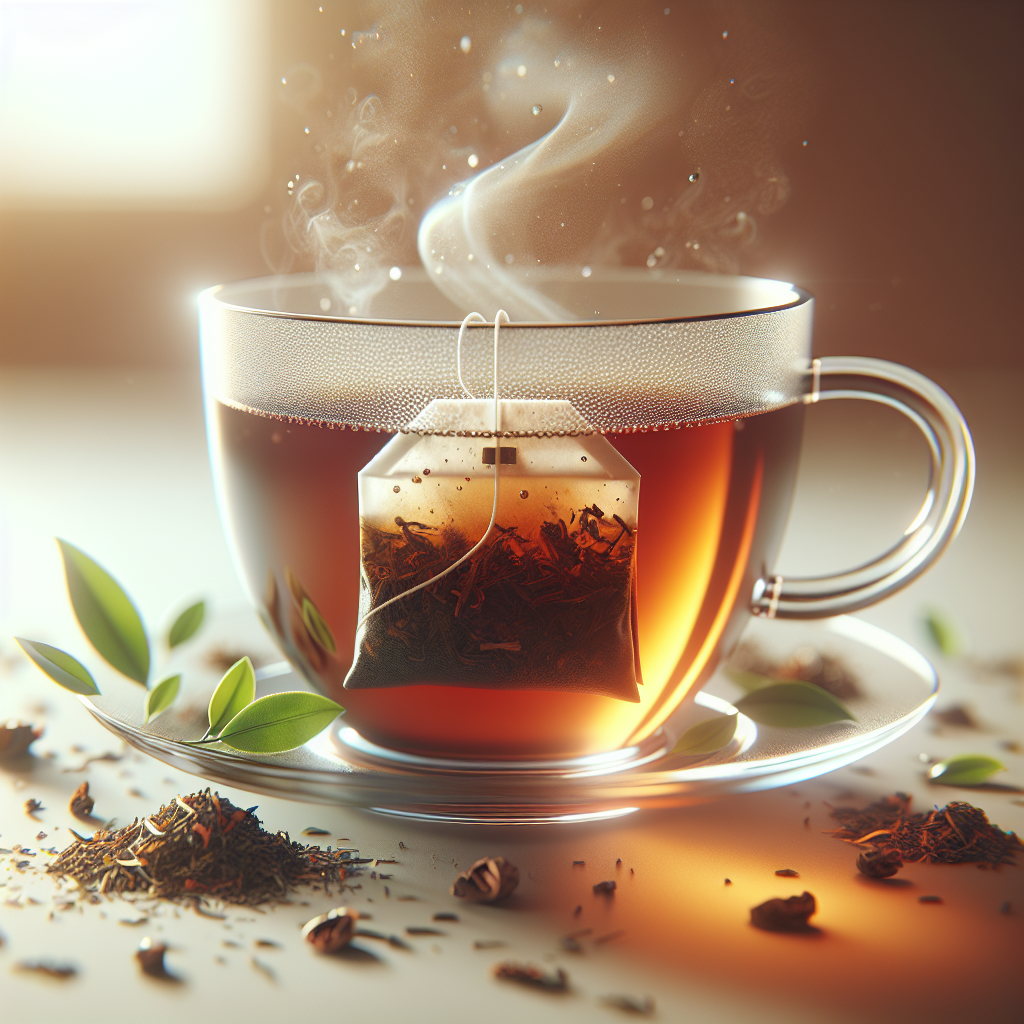
Much like meditation, the act of preparing tea invites you to engage your senses and become mindful of each moment. Notice the gentle sound of boiling water, the subtle aroma as the leaves unfurl, and the comforting warmth of the cup in your hands. Taking slow, deliberate sips allows you to truly savor the flavors and notice how the tea makes you feel, turning an ordinary cup into a simple mindfulness practice. By paying attention to these small details, drinking tea becomes a way to connect with yourself and the present, fostering a sense of calm that lingers long after the last sip.
Drinking tea and practicing mindfulness go hand in hand. The process of brewing tea—from boiling water to taking the first sip—naturally draws your attention to each step. The warmth of the cup in your hands, the gentle aroma of the leaves, and the subtle flavors all work together to create a sense of relaxed awareness.
L-theanine, an amino acid found in tea, has been shown to help people unwind and feel less anxious. This chemical works with caffeine which is found in tea in smaller amounts than in coffee to make you feel alert but relaxed. Because of this people who drink tea often feel a little more energized without getting jittery like people who drink coffee.
Different types of tea can shape your experience:
- Green tea is rich in antioxidants and L-theanine, helping calm the mind without making you drowsy, making it a great choice before meditation or quiet reflection.
- Oolong tea offers a delicate flavor and is known for its stress-relieving qualities, helping to create a balanced mood that pairs perfectly with mindful moments.
The simple act of preparing and enjoying tea is a gentle reminder to slow down, breathe, and reconnect with the present moment..
Tea As A Symbol Of Connection
In many cultures sharing a cup of tea is a sign of friendship and hospitality. Making tea for other people is a kind act that builds community and a sense of belonging. This cultural aspect of drinking tea shows how it can unite people even if they don’t speak the same language or culture.
Tea ceremonies like the Gongfu tea ceremony in China or the mint tea tradition in Morocco aren’t just about the tea. They’re also about the people who drink tea together and the bonds made and strengthened through that. Many rituals and rules go into these ceremonies, making it even more important to be mindful and present in the present moment.
The Spiritual Symbolism Of Tea
Some cultures see tea as a sign of spiritual awakening and enlightenment. For example, in the Zen Buddhist tradition, drinking tea is a significant way to become more mindful and find inner peace. The Japanese tea ceremony, called chanoyu or the Way of Tea, has its roots in Zen philosophy which stresses peace, harmony, and respect.
In the Japanese tea ceremony, making and serving tea is seen as a form of meditation and each step is done with awareness and purpose. The tea ceremony is elegant and straightforward, just like Zen ideas about being mindful, living in harmony with nature, and being concise. People are encouraged to become more like these traits daily by drinking tea. This can help them feel more connected to themselves and their world.
The Historical and Spiritual Significance of Tea
The roots of tea run deep in the spiritual soil of many cultures, especially across Asia. In the temples of ancient China and Japan, tea was far more than a daily beverage—it played a central role in monastic life and spiritual practices. Monks often turned to tea for its remarkable ability to promote both alertness and tranquility, making it an ideal partner during prolonged meditation sessions and quiet reflection.
The Japanese tea ceremony, or chanoyu, is perhaps the most renowned example. Guided by Zen Buddhist philosophy, every gesture in this ritual is intentional, embodying principles like harmony, respect, purity, and tranquility. Likewise, Chinese tea culture in its classical form was steeped in concepts of simplicity and inner peace, reflecting the values of Taoism and Confucianism.
Through these traditions, tea became a vessel for mindfulness—a way to pause, breathe, and focus on the present moment. Sipping tea was not only a physical act but also a spiritual journey, encouraging practitioners to find beauty in the ordinary and to cultivate a deeper connection with themselves and the world around them.
Tea As A Form Of Artistic Expression
Making and drinking tea is not only a daily habit in many cultures but it is also an art form. Making and serving tea can be very fancy. Different cultures have their own special tea ceremonies and rituals that showcase their artistic tastes.
For instance the Moroccan mint tea ceremony is famous for its complicated pouring method. The tea is poured from a high place to form a foamy layer on top. This method improves the taste of the tea and the ceremony making it a treat for both the eyes and the stomach.
In the same way the Japanese art of tea ceremony is known for its focus on beauty and attention to detail. Everything in the tea room from the furniture to the tools used in the ceremony is carefully chosen to make a beautiful and harmonious space that makes drinking tea more enjoyable.
Creating Your Own Mindful Tea Ritual
If you’re interested in turning your daily cup of tea into a mindful ritual, there are a few simple steps you can follow to make the experience more meaningful:
- Select your tea with intention. Take a moment to choose a type of tea that matches your mood or the time of day. Green tea or oolong are often chosen for their gentle, calming qualities, but any favorite blend will do.
- Prepare with care. Pay close attention to each part of the brewing process—from heating the water to watching the leaves unfurl. Notice the gentle sounds, the changing aromas, and the way the color of the tea deepens.
- Be present as you drink. Hold your cup and notice its warmth. Take slow, measured sips, letting the flavors unfold. Focus on how each sip feels, the taste on your tongue, and the comfort in your hands.
By bringing mindfulness to these simple steps, you can transform an everyday activity into a chance to slow down, reflect, and connect with yourself in the moment.
If you’re interested in turning your daily cup of tea into a mindful ritual, there are a few simple steps you can follow to make the experience more meaningful:
- Select your tea with intention. Take a moment to choose a type of tea that matches your mood or the time of day. Green tea or oolong are often chosen for their gentle, calming qualities, but any favorite blend will do.
- Prepare with care. Pay close attention to each part of the brewing process—from heating the water to watching the leaves unfurl. Notice the gentle sounds, the changing aromas, and the way the color of the tea deepens.
- Be present as you drink. Hold your cup and notice its warmth. Take slow, measured sips, letting the flavors unfold. Focus on how each sip feels, the taste on your tongue, and the comfort in your hands.
By bringing mindfulness to these simple steps, you can transform an everyday activity into a chance to slow down, reflect, and connect with yourself in the moment.
Green Tea and Mindfulness: A Perfect Match
When it comes to supporting mindfulness practices, green tea shines for a few key reasons. Naturally rich in antioxidants and L-theanine, this tea encourages a sense of calm alertness—a helpful state for meditation and mindful living. Drinking green tea before meditating can quiet the mind without making you feel sleepy, allowing you to enter a focused and tranquil space.
The presence of L-theanine helps smooth out caffeine’s energizing effects, promoting clear-headed relaxation. This unique combination lets you stay attentive to the present moment while avoiding the restlessness sometimes linked with stronger caffeinated drinks. If you’re looking to build a gentle pre-meditation ritual or simply want to add a mindful pause to your day, brewing a cup of green tea can be both soothing and centering.
Oolong Tea: Balancing Body and Mind
Oolong tea holds a special place in the world of calming beverages thanks to its unique ability to promote relaxation and inner harmony. With its gentle, nuanced flavor, oolong is often chosen by those seeking to enhance their meditation practice. The natural compounds in oolong—particularly L-theanine—work to soothe the mind, making it easier to let go of daily stressors and focus on the present moment.
Sipping on a cup of oolong before or during meditation can:
- Encourage a peaceful, focused state without causing drowsiness
- Offer just enough caffeine to improve alertness, but not so much that it disrupts calmness
- Support mindful breathing and awareness by grounding your senses with its subtle floral and creamy notes
These qualities make oolong an ideal companion for anyone looking to find balance, whether you’re diving into meditation or simply navigating a hectic day.
Tea And Cultural Identity
Tea drinking is frequently deeply entwined with cultural identity allowing individuals to reconnect with their ancestors and heritage. In many places tea is more than just a drink it signifies national pride and identity.
For example, tea has been an essential part of Chinese culture for a long time. Over the years highly complex tea ceremonies and rituals have been created. Chinese tea and culture is known for respecting nature and valuing balance and harmony which is in line with traditional Chinese philosophy.
Everyone in India drinks chai tea every day and they come from all walks of life. Chai tea is more than just a drink, it is a part of Indian culture. Each region has its unique mix of spices and way of making it so the drink is also culturally significant.
Tea And Healing Practices
Tea is essential in many cultures because it tastes good, has cultural meaning and can help with health problems. Traditional Indian medicine Ayurveda and traditional Chinese medicine TCM have used tea for a long time to improve health and well being.
Green tea is known for its many antioxidants which can help safeguard the body from free radicals that can damage it. In traditional Chinese medicine green tea is also thought to have cooling properties. This makes it great for hot weather or people with too hot bodies.
Herbal teas like chamomile and peppermint are often drunk because they help with digestion and calmness. Not only do these teas taste good but they have also been used for a long time in traditional medicine to help people get better.
In many cultures tea symbolizes hospitality, connection , artistic expression, cultural identity and healing. That drinking has become a way for people worldwide to connect with something bigger than themselves making tea a truly universal language.
Tea And Rituals Of Hospitality
Tea is an integral part of the hospitality ritual in many cultures worldwide. It is polite to offer tea to guests and make them feel welcome in your home. This tradition suggests that tea is a sign of friendship, warmth and generosity.
In places like Turkey the tea ceremony is essential to getting together with other people. Tea is made in a unique double teapot called a cayman. It is served in tiny glasses called final with sugar cubes on the side. Tea service and drinking are ways to get people to talk to each other and feel like they are part of a group.
Tea And Culture Adaptations
As tea has been brought to different parts of the world it has been changed and adapted excitingly. Because people have changed their ways of life, new tea traditions and rituals have grown to reflect the tastes and traditions of different areas.
Nepalese people often drink butter tea made from tea leaves, yak butter and salt. Tibetans eat it every day and often serve it to guests as a way of saying hello. Butter tea is not only comforting and healthy but also has a very important cultural meaning in Tibetan society.
In the same way iced tea has become a popular drink in the US especially in the southern states. Since iced tea is usually served cold and sweet it is a great drink for hot summer days. Iced tea may have started as a way to make hot tea more enjoyable in warmer climates but it has since become a popular drink in its own right with many regional variations and traditions about how to make and drink it.
In many cultures worldwide tea symbolizes hospitality, connection , creativity , healing and spirituality. Tea and culture are closely related. Through the rituals and traditions of drinking tea, folk have found ways to show their cultural identity, connect with others and enjoy the beauty and complexity of life.

Leave a Reply