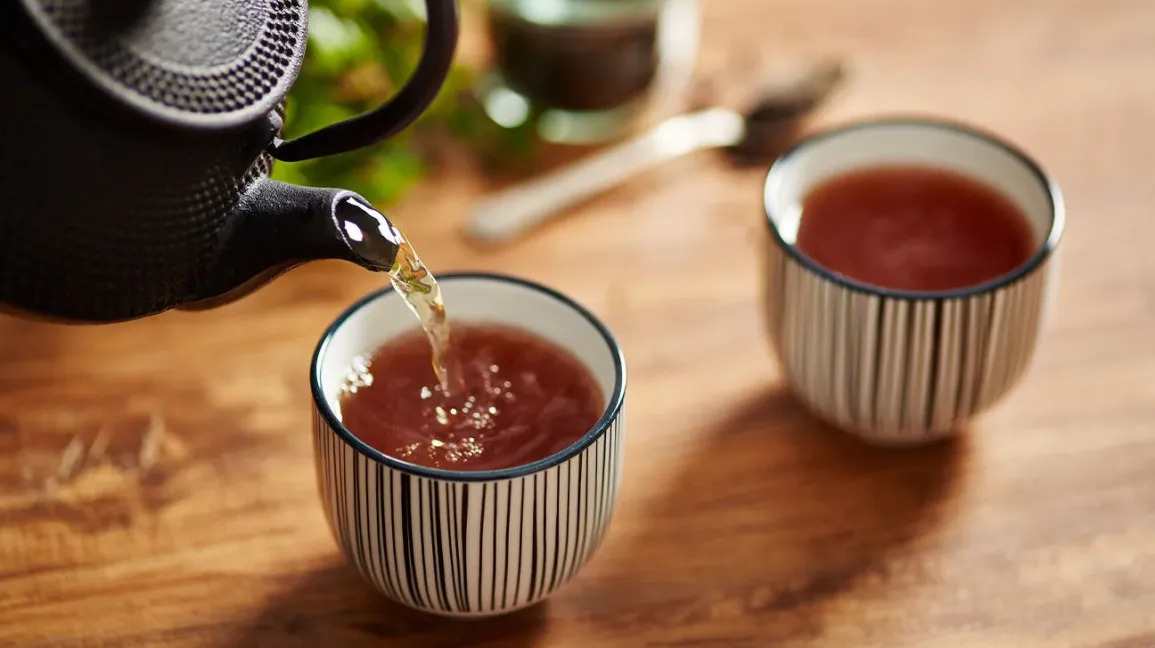
Tea Culture has long been praised for its capacity to promote happiness and human connection. Sharing tea is a unique way for people to get along. This is true in both traditional Japanese tea ceremonies and cozy English tea houses. This article discusses the rituals, traditions and health benefits of the art of tea from around the world and how they help people feel better and connect with each other.
The Ritual Of Tea: A Symbol Of Tranquility
Tea preparation and drinking are deeply rooted in tradition and ritual in many cultures. They are seen as a sign of peace and awareness. In Japan the Chanoyu tea culture is a great example of this. Chanoyu is a very well choreographed ritual that dates back to the 9th century and focuses on peace, harmony , respect and also purity. A group of people perform a set of precise movements and gestures that are meant to create a calm and reflective atmosphere.
In the same way the Gongfu tea ceremony is admired in Chinese Teaculture for the careful way it makes tea. Gongfu which means making tea with skill stresses the value of being aware and paying attention at all times during the tea making process. Every step from picking out the tea leaves to pouring the tea is done with grace and intention. This creates a sense of harmony and connection between the tea and the people drinking it.
Tea Culture and Houses: Hubs Of Community And Connection
Tea houses have long been places where people can meet and connect while enjoying tea in a relaxed environment. For centuries afternoon tea has been an essential part of English culture. It was first introduced in the 19th century as a way to fill the time between meals. Today a beloved tradition brings people together to enjoy tea sandwiches, scones and pastries in a friendly and relaxed setting.
In Japan tea houses called chashitsu do the same thing by bringing people together. The traditional Japanese tea houses are made to feel like they are in harmony with nature. They usually have tatami mat floors, sliding doors and simple decorations. People are encouraged to leave their worries at the door and also enjoy the peace of the tea house where they can sip a bowl of matcha and have deep conversations with other tea lovers.
The Health Benefits Of Tea: Nourishing Body And Soul
In addition to its cultural importance tea is also praised for its many health benefits which help people feel better and connect. Tea contains a lot of antioxidants and other good stuff that has been shown to improve heart health, increase the immune system and even reduce the risk of some cancers. Tea also has an amino acid called L theanine which has been shown to help people relax and feel less stressed and anxious. This makes them feel better and more connected to others.
Teaculture is important in making people happy and bringing them together. The act of sharing tea strongly affects both the body and the soul whether through the ritual of tea ceremonies the community feel of tea houses or the health benefits of tea itself. By following the traditions and rituals of Teacultures around the world we can feel more connected to ourselves, to others and to the world around us.
The Art Of Tea Appreciation: Cultivating Mindfulness And Gratitude
Tea Culture stresses the art of tea appreciation as a way to become more mindful and thankful. Making and serving tea is done with great care and attention to detail in many tea ceremonies and traditions. People who practice mindfulness enjoy their tea in the same way they savor each sip and fully enjoy the flavors and smells of the tea. People who do this are more likely to slow down, enjoy the present moment and be thankful for the little things in life.
Being fully present in all activities is a big part of Zen Buddhism which is linked to mindfulness in Teaculture. In Japanese and also other Zen tea ceremonies people are told to focus on the present moment and let go of worries and other things bothering them. This meditative way of appreciating tea makes the taste and smell better and makes you feel calm and at peace with yourself.
Teaculture also teaches us to be thankful for the tea and the people who work so hard to make it. Everyone who works with tea from the farmers who grow and pick the leaves to the artisans who process and make the tea takes great pride in the skill and craftsmanship that goes into every cup. By practicing mindfulness and gratitude through the art of tea appreciation people can learn to appreciate the world around them and connect with others more deeply.
Tea As A Symbol Of Hospitality And Generosity
In many cultures tea is seen as a sign of kindness and hospitality. It is a way to show others you are welcome and willing to help. Many places around the world make it a habit to offer guests tea to show hospitality and make them feel welcome. In places like the Middle East giving guests tea as a sign of respect and hospitality is common. Elaborate tea rituals also show how generous and willing to share the host is.
In Teaculture, sharing tea is also emphasized as a way to strengthen bonds and make new friends. In China yum cha or drinking tea is a social tradition that means getting together with family and friends to eat dim sum and drink tea. Sharing food and tea with others builds a sense of community and connection, strengthening ties between people and producing memories that will last a lifetime.
Tea has always been a sign of hospitality and kindness but this isn’t just true in traditional tea ceremonies and rituals. It is. Making someone a cup of tea can be a simple but meaningful way to show that you care and are kind. By using tea as a sign of kindness and hospitality people can create a warm and welcoming space which is good for health and connecting with others.
Tea As A Cultural Bridge: Bridging Divides And Celebrating Diversity
Tea Culture uniquely can unite people from different backgrounds and cross cultural gaps. In many parts of the world tea is a popular drink that people of all backgrounds can enjoy together. It brings people together and helps them celebrate what makes them human.
The fact that tea houses and tea ceremonies are famous worldwide is an example of how tea can connect different cultures. People from all walks come to these places and participate in these traditions. This creates a diverse and welcoming space where people can learn about and appreciate other cultures. Teaculture is a way to learn about and share different cultures whether drinking a cup of Moroccan mint tea in a busy market or being involved in a Chinese tea ceremony.
Tea is also used in diplomacy and international relations as a sign of friendship and peace. In many cultures giving guests tea is a sign of respect and friendship showing that you want to build good relationships. By using tea as a cultural bridge people can learn to understand and appreciate the richness and diversity of world cultures more.

Leave a Reply