
Chamomile tea has been cherished for centuries as a natural, soothing drink that bridges the worlds of relaxation and herbal wellness. Whether you sip it before bedtime to unwind or enjoy it throughout the day for its gentle floral aroma, this timeless infusion continues to find new admirers across cultures. In this comprehensive guide, we’ll explore everything from its origins and varieties to its health insights and honest reviews of flavors and brands. You’ll also discover preparation techniques, pairing ideas, and real user experiences that illuminate why chamomile tea remains a universal comfort in a cup.
Unlike many trend-based beverages, chamomile tea endures because it offers something deeply genuine: calmness and clarity from nature. As we’ll see, the simple daisy-like flowers used to brew this tea carry subtle layers of fragrance and taste profiles—from honey-sweet to crisp and herbal. Whether you’re exploring loose leaf blends or ready-to-drink options, this guide delivers practical insights so you can choose the right chamomile tea for your taste, health goals, and daily rituals.
The Origins and Nature of Chamomile Tea
Before evaluating quality and flavor, understanding where chamomile tea comes from is essential. Derived primarily from two species—German chamomile (Matricaria chamomilla) and Roman chamomile (Chamaemelum nobile)—the dried blossoms are carefully infused to yield a golden liquor known for its relaxing properties. While both share similar calming qualities, each variety offers unique nuances in flavor and aroma. German chamomile tends to be subtly sweeter, while Roman chamomile is slightly earthier and more herbaceous.
Historical Significance of Chamomile Tea
Chamomile tea has ancient roots in Egyptian, Greek, and Roman civilizations, where it was prized for both medicinal and spiritual use. Egyptians dedicated chamomile to the sun god Ra, believing it could heal and restore vitality. Greeks employed it for fevers and ailments, while Romans cherished it for its aromatic quality during feasts. Over centuries, chamomile tea cemented its position in kitchens and apothecaries across Europe, eventually becoming a global household name. Today, its traditional allure blends beautifully with modern wellness trends focused on natural remedies and mental balance.
Botanical Characteristics
The chamomile plant is part of the Asteraceae family, related to daisies and sunflowers. The flower heads used for chamomile tea are meticulously dried to preserve their essential oils, which contribute most of the aroma and health benefits. Chamomile grows abundantly in temperate climates—Germany, Egypt, and Croatia being leading producers. When steeped in hot water, the dried petals release a floral scent often accompanied by faint notes of apple and honey.
Flavor Profiles and Aromatic Experience
One of the most notable aspects of chamomile tea is its complex yet gentle flavor profile. Despite being an herbal infusion, it carries a distinct sweetness and a slightly grassy undertone. Brewing technique and cultivar type greatly influence these flavor dimensions.
What Influences the Taste of Chamomile Tea
Several factors shape how chamomile tea tastes. Soil quality, flower maturity at harvest, and drying methods all influence its aroma and strength. A fresh, well-preserved batch yields a clean floral note reminiscent of apple blossoms. If over-steeped, chamomile tea can develop a slight bitterness; therefore, most experts suggest steeping for about five minutes at 96°C rather than boiling to prevent harshness. A little honey or lemon enhances its sweetness and depth, while milk is generally avoided since it dulls the floral accents.
Pairing Chamomile Tea with Food
Chamomile tea pairs beautifully with light, mild-flavored foods. Its delicate floral tone complements pastries, fruit tarts, or crustless cucumber sandwiches during afternoon tea. For evening relaxation, pairing it with oatmeal cookies or vanilla biscuits enhances both flavors without dominance. Health-conscious drinkers often enjoy chamomile tea alongside raw honey or almonds, balancing nutrition and comfort. Culinary innovation has led to its incorporation in syrups, desserts, and even cocktails for a refreshing twist.
Health Insights and Modern Research on Chamomile Tea
For centuries, people have turned to chamomile tea as a natural remedy for insomnia, digestive discomfort, and anxiety. Modern science continues to validate some of these traditional beliefs. Contemporary studies reveal that compounds such as apigenin contribute to chamomile tea’s calming effects by interacting with receptors in the brain that promote sleepiness and relaxation.
Potential Benefits and Limitations
Chamomile tea acts as a mild sedative and digestive soother. It may help with conditions like mild stress, irritable stomach, and menstrual discomfort. Clinical studies suggest potential support for glycemic control and inflammation reduction, though evidence remains modest and more research is needed. Importantly, chamomile tea is caffeine-free, making it an ideal beverage before bedtime or during mid-day breaks when you want to relax without a stimulant glare.
Precautions and Allergic Reactions
While chamomile tea is generally safe, some people with allergies to plants in the Asteraceae family—like ragweed—should exercise caution. Those on blood-thinning medications or sedatives should also consult their healthcare professional before frequent consumption. Expectant mothers often seek chamomile tea, but medical guidance is essential before integrating it into prenatal routines due to conflicting data on strong infusions.
How to Choose the Best Chamomile Tea Brand
With a growing market of herbal infusions, determining the best chamomile tea can feel overwhelming. To ensure quality, consider origin, ingredient transparency, and packaging type. Single-origin and organically sourced products often have better purity and consistent flavor.
Loose Leaf vs. Tea Bags
Loose leaf chamomile tea typically offers more robust aroma and flavor since larger blossoms contain higher essential oil content. Tea bags are convenient, particularly for travel or workplace use. High-end brands now introduce pyramid-shaped sachets that strike a balance between convenience and quality infusion. Whichever format you prefer, check expiration dates and storage conditions: chamomile tea should remain sealed, dry, and away from sunlight to preserve freshness.
Recommended Chamomile Tea Brands and Reviews
Several trusted brands consistently score well among enthusiasts for flavor and purity. **Twinings Pure Camomile**, known for its smooth floral balance, remains a staple. **Traditional Medicinals Organic Chamomile** excels in authenticity, sourced from premium European fields. For a luxurious touch, **Teapigs Chamomile Flowers** uses whole blossoms, offering a naturally sweet, honeyed profile. These selections have loyal users praising their soothing aroma and reliable sleep-aid effects. Always review customer feedback and certifications before choosing your ideal chamomile tea. For in-depth historical perspectives on tea brand evolution, visit The Tea Association of the USA.
Brewing Perfect Chamomile Tea at Home
Creating a serene tea experience starts with correct brewing methods. Unlike black or green teas, chamomile tea requires a slightly gentler approach to retain its sweet softness without bitterness.
Step-by-Step Brewing Technique
- Boil fresh filtered water, then let it cool slightly below boiling point (around 96°C).
- Place one to two teaspoons of dried chamomile flowers or one tea sachet into a cup or infuser.
- Pour water over the flowers and steep for 4–6 minutes depending on strength preference.
- Cover the cup during steeping to trap essential steam oils for richer aroma.
- Optional: Add honey, cinnamon, or lemon for customized taste.
Delicate handling preserves the essential compounds that give chamomile tea its signature calmness. Overbrewing releases tannins that overpower floral sweetness. Experiment to find your personal equilibrium—everyone’s perception of soothing flavor differs slightly.
Serving Temperature and Presentation
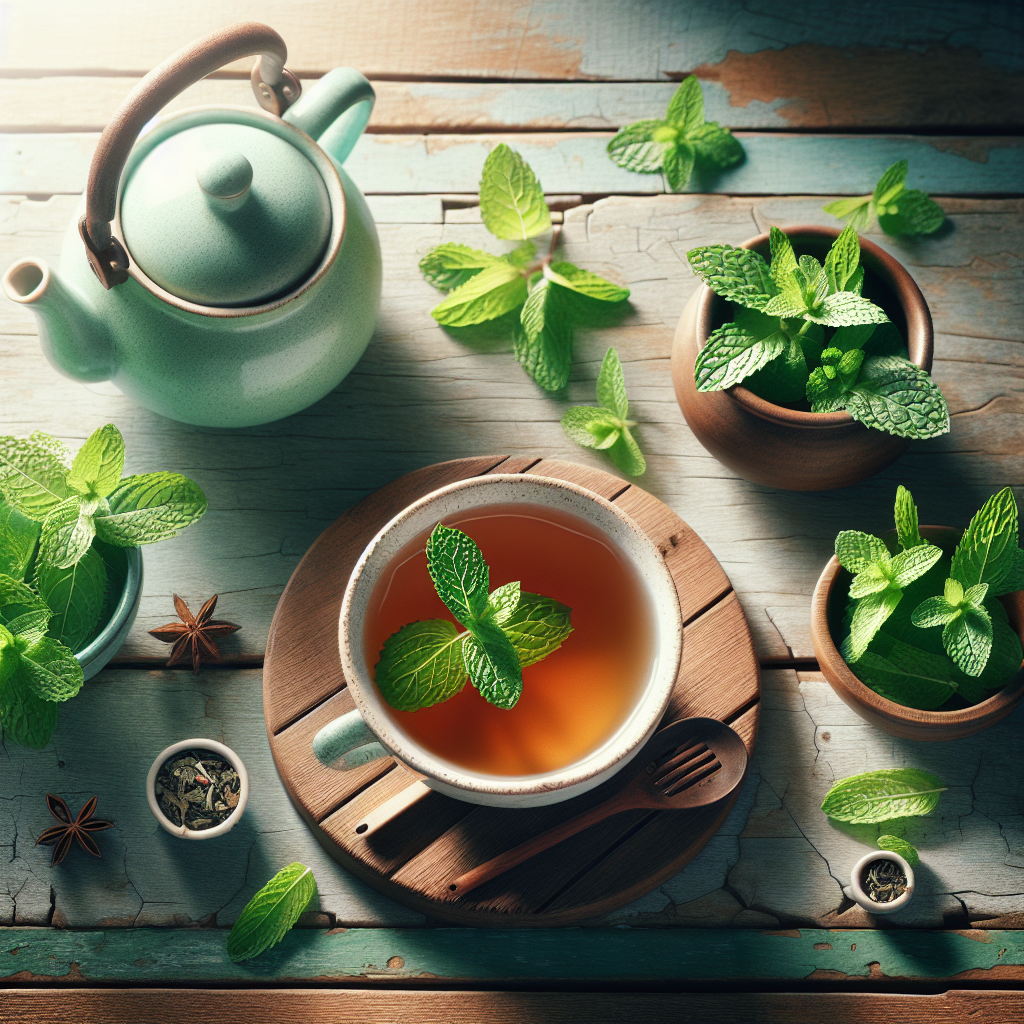
Chamomile tea tastes best when served warm rather than piping hot. Presenting it in a ceramic or glass teapot enhances the golden hue and fragrance. For summer, chilled chamomile tea makes an incredibly refreshing iced beverage; serve it with mint or sliced pear for sophistication. Artisans sometimes garnish cups with whole chamomile blossoms for aesthetic appeal as well as aroma.
Real User Insights and Reviews
Experienced tea drinkers often describe chamomile tea as a sensorial retreat rather than just a beverage. It’s frequently praised for its emotional warmth and ability to induce calm moments even in chaotic environments. College students, office workers, and parents alike rely on a nightly cup to gently transition into rest mode without stimulants. One verified reviewer shared how replacing nightly wine with chamomile tea improved both sleep quality and mood consistency.
Another user recounted blending chamomile tea with lavender petals to create a signature bedtime brew. Such anecdotal experiences echo scientific evidence on relaxation benefits. Nonetheless, the perception of efficacy varies; some find its effects subtle while others consider it transformative. The beauty of chamomile tea lies in its gentle consistency rather than quick fixes.
Chamomile Tea in Global Culture
Around the world, chamomile tea takes on cultural nuances. In Germany, “Kamillentee” is a household go-to for common colds. Middle Eastern households often blend it with mint for digestive harmony. In Mexico, “manzanilla” tea accompanies family meals and carries childhood nostalgia. Each tradition adds meaning, reinforcing that chamomile tea transcends borders as an emblem of comfort.
Modern Interpretations and Innovations
Today’s innovators explore creative infusions that merge chamomile tea with other herbs like lemongrass or rose petal for signature blends. Cafés increasingly offer it iced with orange zest or vanilla bean notes. You’ll even find it integrated into skincare and bath products due to its soothing essence. To explore how ancient tea methods inspire modern innovation, see this post on Tea Cultivation from teastory.blog.
Chamomile Tea and Mindful Living
Beyond taste and health, chamomile tea plays a role in cultivating mindfulness. The ritual of brewing and sipping encourages a pause amid daily rush. Focusing on aroma, warmth, and the slow rhythm of each sip allows the drinker to find inner balance. Herbal coaches often integrate chamomile tea sessions into meditation workshops, highlighting how sensory presence enhances relaxation.
Integrating Chamomile Tea in Your Wellness Routine
Create simple tea rituals that align with your schedule—a morning grounding cup or an evening cooldown infusion. Use a dedicated mug and quiet space. Pair your chamomile tea with breathwork or journaling for deeper restoration. Many wellness enthusiasts find this practice aids clarity, making chamomile tea more than a drink; it becomes a gentle self-care gesture.
Mindful Pairings and Aromatherapy Fusion
Combine chamomile tea sessions with lavender essential oils or soft ambient music. The shared aromatic profile magnifies serenity. This dual sensory approach has gained popularity in digital detox retreats, where participants replace caffeine with chamomile tea to reset mind and body equilibrium. To learn more about the ceremonial aspects of mindful tea rituals, explore Tea Ceremonies Overview from teastory.blog.
Conclusion
Chamomile tea stands as an enduring symbol of natural calm, uniting people through centuries of tradition and simplicity. Whether you enjoy it for sleep support, digestive ease, or pure sensory pleasure, this herb continues to foster peace in daily routines. From brewing fundamentals to brand quality and real-world reviews, we’ve examined why chamomile tea earns its unwavering popularity. In an era of overcomplicated beverages, its charm rests in the timeless art of slowing down with a fragrant cup. When thoughtfully chosen and brewed, chamomile tea becomes a ritual—an everyday invitation to reconnect with quiet and comfort.
Frequently Asked Questions
What are the health benefits of chamomile tea?
Chamomile tea offers potential benefits such as improved sleep, reduced anxiety, digestive support, and anti-inflammatory action. Its main compound, apigenin, interacts with brain receptors associated with calmness. Many drinkers find that a nightly cup promotes rest and reduces restlessness. Though not a medical treatment, chamomile tea contributes to holistic wellness when paired with balanced habits and hydration. Because it’s caffeine-free, chamomile tea suits all ages and provides relaxation without stimulating side effects.
Can chamomile tea really help with sleep?
Many users confirm that chamomile tea encourages better sleep patterns. Its mild sedative quality stems from natural flavonoids, which help the body shift into a restful state. Drinking it about 30 minutes before bedtime can foster gentle drowsiness without dependency risk. Unlike supplements, chamomile tea nurtures relaxation as part of an evening ritual. However, consistency matters—occasional cups may offer limited results compared to nightly use for sustained improvement.
Are there different kinds of chamomile tea?
Yes, both Roman and German chamomile varieties exist. German chamomile yields a light, apple-like sweetness, while Roman chamomile produces a warm, earthy tone. Commercially available chamomile tea may also feature blends with herbs such as rose, lemon balm, or lavender. Choice depends on preference: some enjoy pure chamomile tea for authenticity; others love creative fusions for layered flavor. Always inspect ingredient lists to ensure natural composition and avoid artificial additives.
How often should I drink chamomile tea?
Having one to two cups of chamomile tea daily is considered safe and effective for most individuals. Many people make it part of their morning relaxation or bedtime ritual. Because the beverage lacks caffeine, frequency isn’t a major concern. However, moderation allows you to observe any sensitivities. If you notice drowsiness during daytime hours, shift to evening use. Listening to your body’s response is key when incorporating chamomile tea as a regular habit.
Does chamomile tea have any side effects?
While rare, some individuals experience allergic responses, particularly if allergic to ragweed or daisies. Overconsumption might lead to mild nausea or drowsiness. If taking medications such as sedatives or anticoagulants, consult a doctor before regular intake. Generally, chamomile tea is non-addictive and gentle on digestion. Ensure it’s sourced from reputable suppliers to avoid contamination or pesticides, as quality strongly affects the safety of chamomile tea.
Can I brew chamomile tea with other herbs?
Absolutely. Chamomile tea blends harmoniously with lavender, mint, or lemongrass to create signature infusions. These mixtures enhance flavor complexity and add complementary functionality, such as respiratory relief or mood balance. For creativity, experiment with rose petals or citrus peel. Ensure quantities remain balanced—the delicate aroma of chamomile tea should still take center stage. Such custom blends often become personal favorites for evening mindfulness rituals.
What is the best way to store chamomile tea?
To maintain quality, store chamomile tea in an airtight container away from heat, light, and humidity. A metal or dark glass jar works best. Exposure to moisture causes loss of flavor and potency. Avoid storing near strong-smelling foods, as the dried flowers readily absorb odors. Proper storage ensures your chamomile tea remains fragrant and effective for at least six months. Frequent tea drinkers often use small batches to guarantee freshness and consistent aroma.
Is it safe to drink chamomile tea during pregnancy?
Pregnant individuals should consult their healthcare provider before regular chamomile tea consumption. While mild infusions are generally considered safe, concentrated forms may pose risks due to possible uterine stimulation effects documented in some herbal references. Moderation and professional guidance help maintain safety. Choosing organic chamomile tea and avoiding overly strong brews are recommended. Always discuss herbal use with a doctor or midwife to align with medical context and trimester-specific needs.
Can chamomile tea be used in cooking or skincare?
Yes, chamomile tea has found creative culinary and skincare applications. It can flavor cakes, syrups, or ice creams for a subtle floral lift. In skincare, cooled chamomile tea acts as a gentle toner, soothing redness and irritation. Cosmetic developers often include chamomile extract in creams and bath products for its calming aroma. Kitchen enthusiasts and wellness aficionados alike appreciate its flexible nature, reminding us that chamomile tea transcends the teacup.



Leave a Reply